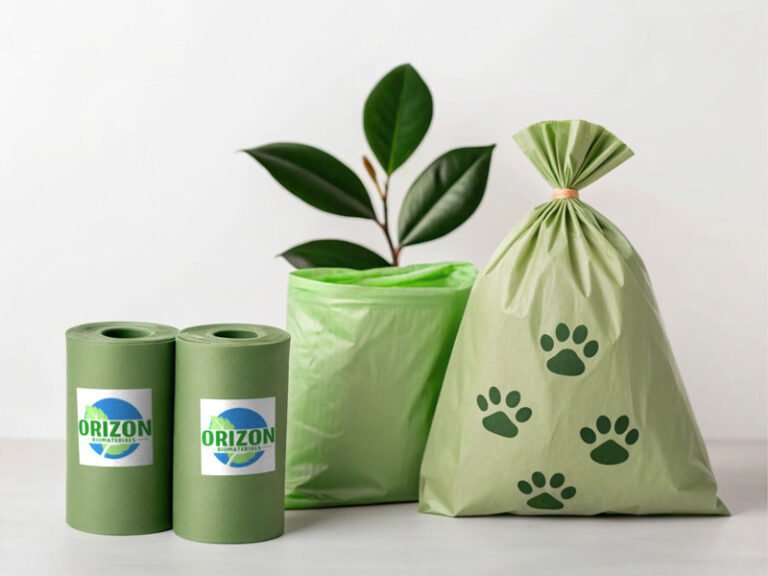
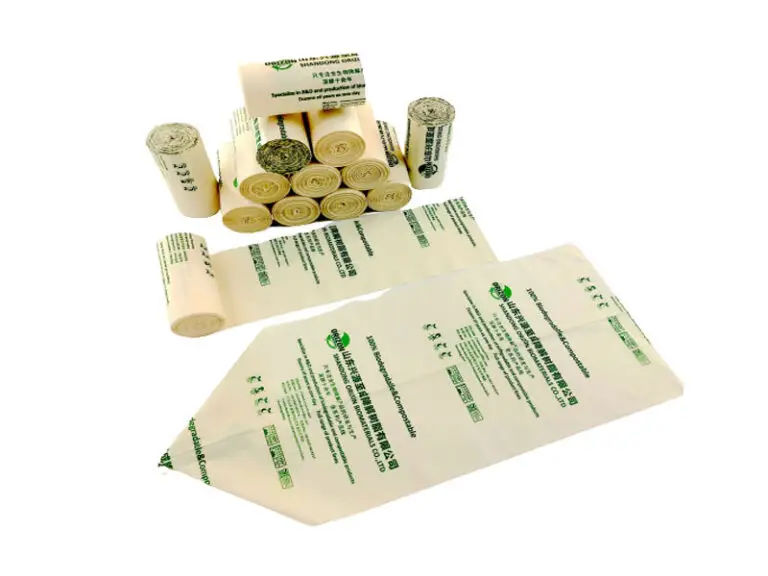
As the demand for sustainable materials grows, bioplastics such as PLA and PHA are becoming increasingly important alternatives to conventional plastics.
Both materials are often described as biodegradable plastics,and both are used in sustainable packaging and environmentally friendly products.
Understanding the differences between PLA and PHA helps packaging manufacturers, brands, and material buyers select the most suitable material for their products.
In this guide, we explain how PLA and PHA are produced, how they behave in the environment, and where each material is commonly used.
What Is PLA Plastic?
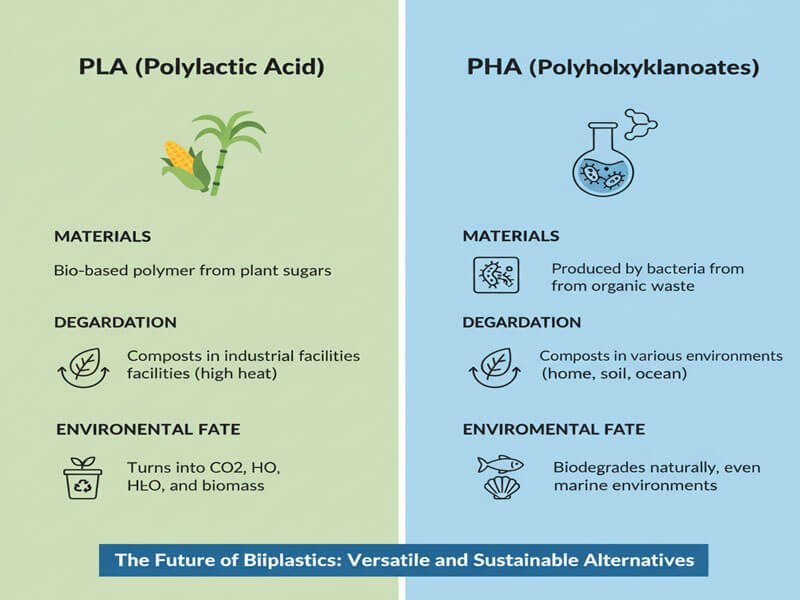
PLA (polylactic acid) is one of the most widely used bioplastics in the world.
PLA is produced from renewable plant-based resources, most commonly:
- corn starch
- sugarcane
- cassava
Through fermentation, plant sugars are converted into lactic acid, which is then polymerized to create PLA plastic.
PLA has become popular because it offers several advantages:
- derived from renewable materials
- relatively low production cost among bioplastics
- suitable for large-scale industrial production
- compatible with many plastic processing methods
PLA is commonly used in:
- compostable packaging and products that must meet standards such as ASTM D6400 certification.
- disposable food containers
- 3D printing materials
- compostable plastic bags (when blended with other polymers)
However, PLA typically requires industrial composting conditions to break down efficiently.
What Is PHA Plastic?
PHA (polyhydroxyalkanoate) is another type of biodegradable plastic, You can learn more about its properties in our guide to PHA plastic.
PHA is created by microorganisms through fermentation. Certain bacteria naturally produce PHA as a way to store energy inside their cells.
The production process generally involves:
- feeding microorganisms with plant-based carbon sources
- fermentation in bioreactors
- extraction and purification of the polymer
Unlike many other plastics, PHA can biodegrade in a wider range of environments.
PHA materials may break down in:
- industrial composting systems
- soil environments
- marine environments
Because of this broader biodegradation ability, PHA is often considered one of the most environmentally promising bioplastics.
PLA vs PHA: Raw Material Sources
Both PLA and PHA are considered bio-based plastics, but their raw material sources differ.
| Feature | PLA | PHA |
|---|---|---|
| Raw material | Plant sugars (corn, sugarcane) | Microbial fermentation |
| Production method | Chemical polymerization | Biological fermentation |
| Renewable resource | Yes | Yes |
PLA production is generally more industrially scalable compared with other biodegradable polymers such as
PBAT, which is one reason why it is currently more widely used.
PHA production is more complex and still developing at large commercial scale.
PLA vs PHA: Biodegradability
A major difference between PLA and PHA lies in their biodegradation behavior.
Other biodegradable polymers such as starch-based plastics are also commonly used in compostable material systems.
PLA biodegradability
PLA is biodegradable but mainly under industrial composting conditions, which typically require:
- temperatures around 55–60°C
- controlled humidity
- microbial activity
Without these conditions, PLA may degrade much more slowly.
PHA biodegradability
PHA can biodegrade in a wider range of environments, including:
- soil
- marine environments
- composting systems
Because of this property, PHA is often studied as a potential solution for reducing plastic pollution.
PLA vs PHA: Compostability
Both PLA and PHA can be used in compostable plastic products when formulated correctly.
Many compostable plastics made with PLA or PHA can meet certification standards such as
- ASTM D6400
- EN 13432
These certifications verify that the material:
- biodegrades during composting
- disintegrates into small particles
- leaves no harmful residues
However, PLA-based compostable plastics typically require industrial composting facilities, while some PHA materials may degrade in less controlled environments.
PLA vs PHA: Mechanical Properties
From a performance perspective, PLA and PHA behave differently.
PLA properties
PLA tends to be:
- relatively rigid
- transparent
- suitable for molded products
- relatively brittle compared with some plastics
Because of these properties, PLA is often used in rigid packaging and disposable containers.
PHA properties
PHA materials can be more flexible depending on their formulation.
PHA often offers:
- better flexibility
- improved biodegradation behavior
- wider environmental compatibility
However, production costs are currently higher than PLA.
Applications of PLA and PHA
Both materials are used in sustainable product design, but their applications can differ.
PLA applications
PLA is widely used in compostable plastic films and other applications where
bioplastics are used as alternatives to conventional plastics.
- food packaging
- disposable tableware
- compostable plastic films
- 3D printing filament
PHA applications
PHA is increasingly used in:
- biodegradable packaging materials
- medical applications
- agricultural films
- specialty biodegradable products
As production technology improves, PHA applications may expand further.
Is PLA or PHA Better?
Neither PLA nor PHA is universally better than the other. Each material has advantages depending on the application.
PLA advantages:
- lower production cost
- widely available
- established manufacturing infrastructure
PHA advantages:
- broader biodegradation environments
- potentially better environmental performance
- promising future applications
Material selection depends on factors such as:
- required mechanical performance
- disposal infrastructure
- regulatory requirements
- cost considerations
Conclusion
PLA and PHA are two important biodegradable plastics within the broader category of biodegradable plastic materials.
PLA is currently the most widely produced bioplastic and is commonly used in compostable packaging and disposable products.
PHA offers unique biodegradation advantages and may play an increasingly important role in reducing environmental plastic pollution.
As research and manufacturing technologies continue to evolve, both materials are likely to remain key components of the global transition toward more sustainable plastics.
FAQ
Is PLA biodegradable?
Yes, PLA is biodegradable, but it typically requires industrial composting conditions to break down efficiently.
Is PHA biodegradable?
Yes. PHA can biodegrade in a wider range of environments, including soil and marine environments.
Is PLA compostable?
PLA-based plastics can be compostable if they meet standards such as ASTM D6400 or EN 13432.
Is PHA better than PLA?
PHA has broader biodegradability, but PLA is currently more widely produced and commercially available.