Plastic bags are one of the most common packaging products used worldwide. They are lightweight, cheap, and convenient, but they also create long-term environmental problems.
Many people ask: how long does it take a plastic bag to biodegrade?
The answer depends on the type of bag. Conventional plastic bags made from polyethylene do not truly biodegrade in the same way organic materials do. Instead, they gradually break into smaller plastic fragments over many years, which can contribute to microplastic pollution.
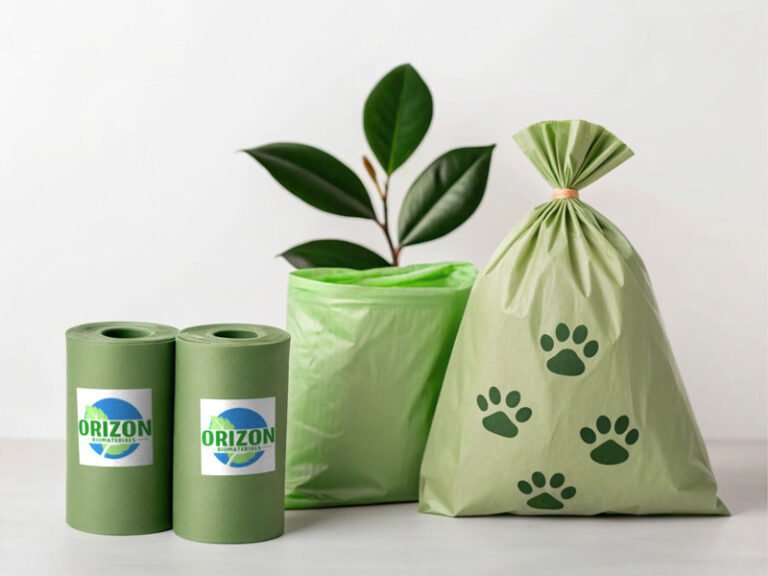
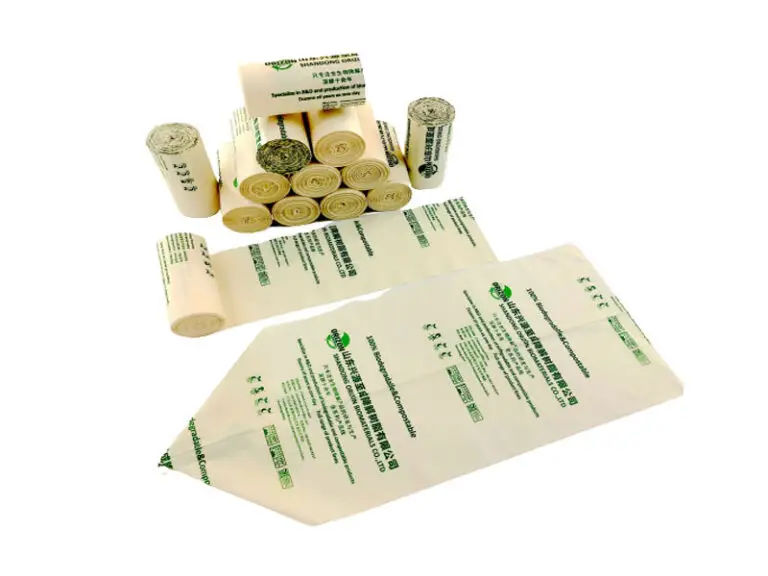
By contrast, certified compostable bags are designed to break down under specific composting conditions and can decompose much faster.
In this guide, we explain how long plastic bags last, why traditional plastic behaves differently from compostable materials, and what buyers should know when evaluating sustainable packaging options.
For a broader overview of material types, see our guide to bioplastics vs plastics.
Do Plastic Bags Really Biodegrade?
Most conventional plastic bags are made from polyethylene (PE), a petroleum-based plastic.
These bags are often described as taking hundreds of years to “biodegrade,” but that wording is not fully accurate.
In reality, traditional plastic bags usually do not biodegrade completely into natural substances. Instead, they:
- become brittle over time
- fragment into smaller pieces
- persist in the environment as microplastics
This means that a standard plastic bag may physically break down, but it does not fully return to nature in the same way food waste or certified compostable materials do.
How Long Does a Conventional Plastic Bag Take to Break Down?
A conventional plastic bag can remain in the environment for decades or even centuries, depending on the conditions.
The exact timeframe varies based on:
- sunlight exposure
- temperature
- moisture
- oxygen levels
- whether the bag is buried, littered, recycled, or landfilled
In open environments with strong UV exposure, plastic bags may become brittle and fragment faster. In landfills, where light and oxygen are limited, decomposition is much slower.
This is why many environmental sources state that plastic bags may take hundreds of years to break down.
However, “break down” does not mean true biodegradation. It often means fragmentation into smaller plastic particles.
Why Plastic Bags Do Not Fully Biodegrade
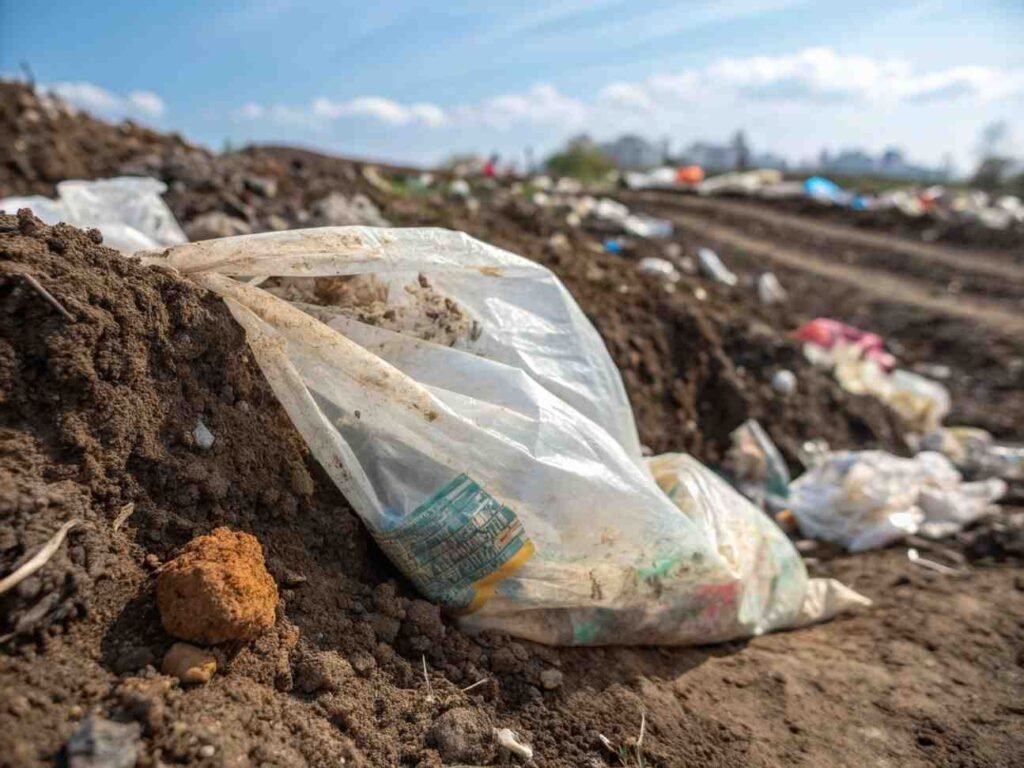
Traditional plastic bags are made from long-chain synthetic polymers that microorganisms cannot easily digest.
Unlike natural materials such as paper, starch, or food waste, polyethylene is highly resistant to biological decomposition.
As a result, conventional plastic bags:
- do not compost naturally
- do not safely return to biomass
- can remain in soil and water for a very long time
- may create persistent microplastic contamination
This is one of the main reasons why plastic bag pollution remains a serious global issue.
To better understand alternative materials, see our guide to biodegradable plastic .
How Long Do Compostable Bags Take to Decompose?
Compostable bags are very different from ordinary plastic bags.
Certified compostable bags are made from biodegradable materials such as:
- PLA
- PBAT
- starch-based bioplastics
When processed in the correct composting environment, these materials are designed to break down into carbon dioxide, water, and biomass without leaving persistent plastic residue.
In industrial composting
Certified compostable bags may decompose within weeks to months, depending on the material, thickness, and composting conditions.
Many industrially compostable products are tested according to standards such ASTM D6400 or EN 13432.
In home composting
Decomposition is usually slower because temperatures are lower and conditions are less controlled.
Only products certified for home composting should be expected to break down reliably in backyard compost systems.

Plastic Bags vs Compostable Bags
| Feature | Conventional Plastic Bags | Certified Compostable Bags |
|---|---|---|
| Main material | Polyethylene (PE) | PLA, PBAT, starch blends |
| Biodegradable | No | Yes, under suitable conditions |
| Compostable | No | Yes, if certified |
| End result | Fragments into microplastics | Breaks down into natural components |
| Decomposition speed | Decades to centuries | Weeks to months in composting systems |
This comparison shows why the type of material matters much more than the appearance of the bag.
A bag may look similar to plastic, but its end-of-life behavior can be completely different.
What Affects How Fast a Bag Breaks Down?
Whether a bag is plastic or compostable, decomposition speed depends heavily on environmental conditions.
Key factors include:
Material type
Polyethylene behaves very differently from compostable bioplastics.
Temperature
Higher temperatures generally accelerate decomposition.
Moisture
Microbial activity needs sufficient moisture.
Oxygen
Aerobic composting systems break materials down more effectively than low-oxygen landfill environments.
Thickness
Thicker bags usually take longer to decompose than thinner films.
Composting system
Industrial composting is much more efficient than backyard composting for many certified materials.
Why This Matters for Packaging Buyers
For packaging buyers, retailers, and brand owners, understanding degradation time is important for both compliance and environmental claims.
A product labeled “degradable” is not necessarily compostable or environmentally safe.
When choosing alternative packaging, buyers should verify:
- whether the bag is certified compostable
- which certification standard it meets
- whether it is suitable for industrial or home composting
- whether disposal infrastructure exists in the target market
Without certification, environmental claims can be misleading.
For more on certification systems, see our guide to ASTM D6400 and BPI certification.
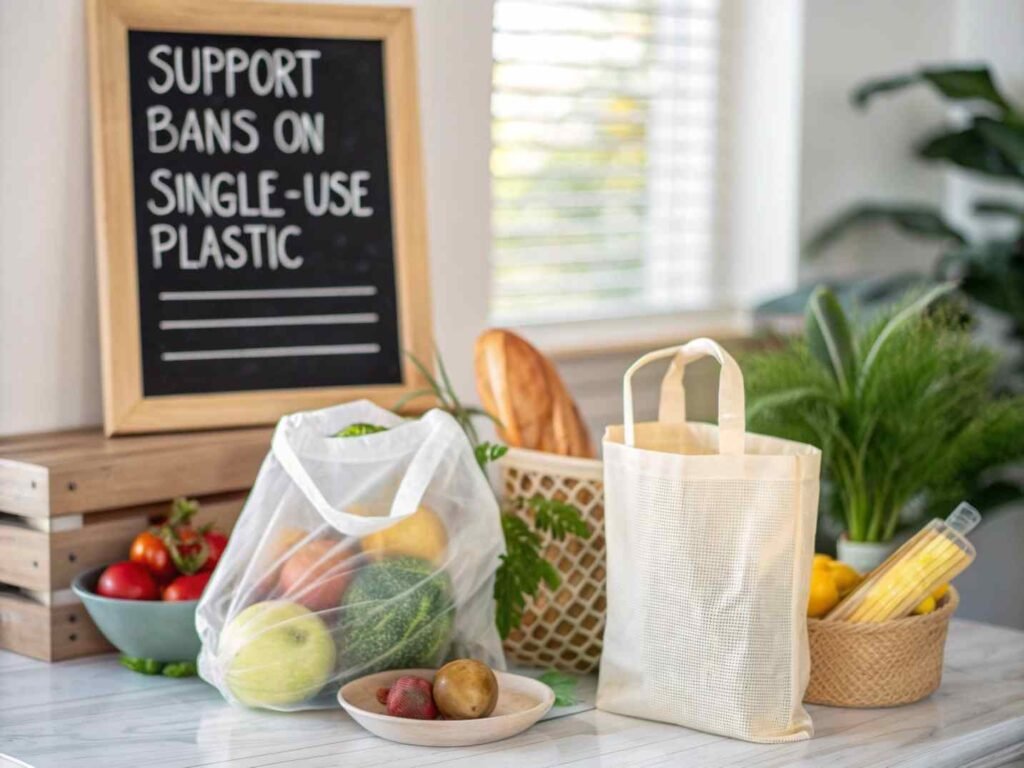
Are Compostable Bags a Better Alternative?
In many organic waste and food scrap collection systems, certified compostable bags can be a better alternative than traditional plastic bags.
They can help:
- reduce dependence on conventional fossil-based plastics
- support organic waste diversion programs
- reduce persistent plastic contamination in composting systems
- improve sustainability positioning for brands and retailers
However, compostable bags only perform as intended when matched with the correct waste management system.
They are not a universal solution for every market or application, but they are an important option in regulated composting programs.
Conclusion
So, how long does it take a plastic bag to biodegrade?
For a conventional plastic bag, the honest answer is that it does not truly biodegrade in the natural sense. It may take decades or centuries to break down physically, and even then it often remains in the environment as microplastic fragments.
For a certified compostable bag, decomposition can happen much faster under proper composting conditions, often within weeks to months in industrial composting systems.
This is why material selection matters. If the goal is to reduce long-term plastic pollution, it is essential to distinguish between ordinary plastic bags, oxo-degradable claims, biodegradable plastics, and certified compostable materials.
For businesses evaluating sustainable packaging, the most reliable approach is to focus on certified compostable solutions backed by recognized standards and clear end-of-life pathways.
FAQs
How long does it take a plastic bag to biodegrade?
A conventional plastic bag does not truly biodegrade like organic materials. It may take decades or even centuries to break down physically, often fragmenting into microplastics rather than fully decomposing.
Do plastic bags decompose in landfill?
Plastic bags decompose very slowly in landfill because light, oxygen, and microbial activity are limited. In many cases, they remain intact for a very long time.
Are compostable bags faster to break down than plastic bags?
Yes. Certified compostable bags can break down much faster under proper composting conditions, often within weeks to months in industrial composting systems.
Do biodegradable plastic bags leave microplastics?
That depends on the material. Conventional or misleadingly labeled degradable bags may fragment into microplastics. Certified compostable bags are designed to break down without leaving persistent plastic residue under the correct conditions.
What is the difference between biodegradable and compostable bags?
Biodegradable is a broad term, while compostable means the material has been tested to break down under specific composting conditions without harmful residue. Compostable bags usually require recognized certification standards.