Bioplastics and traditional plastics differ in raw materials, biodegradability, compostability, and end-of-life treatment. This guide explains how each material works and when bioplastics may be a better alternative for sustainable packaging.
As businesses and consumers look for more sustainable packaging solutions, the debate around bioplastics vs plastics has become more important than ever.
Traditional plastics have long been valued for their strength, flexibility, and low cost. However, their dependence on fossil fuels and long-term environmental impact have pushed industries to explore alternative materials.
Bioplastics are often presented as a greener option, but the term can be confusing. Some bioplastics are bio-based but not biodegradable. Others are compostable but only under industrial conditions. As a result, comparing bioplastics with conventional plastics requires a clear understanding of what each material actually is.
In this guide, we explain the difference between bioplastics and plastics, how they are made, how they perform, and where each material is commonly used.
For a broader overview of material categories, see our guide to biodegradable plastics.
What Are Traditional Plastics?
Traditional plastics are synthetic polymer materials usually made from petroleum or natural gas.
Common examples include:
- PE (polyethylene)
- PP (polypropylene)
- PET (polyethylene terephthalate)
- PS (polystyrene)
- PVC (polyvinyl chloride)
These materials are widely used because they are durable, lightweight, and inexpensive to produce at scale.
However, conventional plastics are generally not biodegradable. In most environments, they break into smaller fragments over time rather than fully decomposing. This is one reason why plastic pollution has become a global environmental concern.
What Are Bioplastics?
Bioplastics are a broad category of plastics that are either:
- bio-based
- biodegradable
- or both
This means a plastic can be called a bioplastic if it is made partly from renewable biological resources, or if it is designed to biodegrade under specific conditions.
Common bioplastics include:
- PLA (polylactic acid)
- PBAT blends
- starch-based plastics
- PHA (polyhydroxyalkanoate)
However, not all bioplastics behave the same way. Some are industrially compostable, while others require special processing conditions and should not be confused with home-compostable materials.
To understand these differences better, see:
Bioplastics vs Plastics: The Main Differences
Although bioplastics and traditional plastics can look similar, they differ in several important ways.
1. Raw material source
Traditional plastics are usually made from fossil fuels such as crude oil or natural gas.
Bioplastics are often made from renewable resources such as:
- corn starch
- sugarcane
- cassava
- vegetable oils
- microbial fermentation feedstocks
This makes many bioplastics less dependent on non-renewable petroleum resources.
2. Biodegradability
Most traditional plastics are not biodegradable.
Some bioplastics are biodegradable, but not all. For example:
- PLA is biodegradable under industrial composting conditions
- PHA can biodegrade in a wider range of environments
- some bio-based plastics are not biodegradable at all
This is why “bio-based” and “biodegradable” should never be treated as identical terms.
3. Compostability
Traditional plastics are generally not compostable.
Some bioplastics are compostable if they meet certification standards such as:
- ASTM D6400
- EN 13432
These standards help verify that the material can biodegrade, disintegrate, and leave no harmful residues in industrial composting systems.
4. Environmental impact
Traditional plastics usually have a higher long-term environmental burden because they persist in the environment for many years.
Bioplastics may reduce fossil resource use and support compostable waste systems, but their overall environmental benefit depends on:
- raw material sourcing
- manufacturing efficiency
- disposal infrastructure
- local regulations and waste collection systems
In other words, bioplastics are not automatically better in every situation. Their performance depends on how they are produced and how they are managed after use.
Bioplastics vs Traditional Plastics: Comparison Table
| Feature | Bioplastics | Traditional Plastics |
|---|---|---|
| Main raw material | Renewable biomass or bio-based feedstocks | Petroleum or natural gas |
| Biodegradable | Sometimes | Usually no |
| Compostable | Some grades are compostable | No |
| Recycling compatibility | Depends on material type | Established for some common plastics |
| Fossil fuel dependence | Lower in many cases | High |
| End-of-life options | Composting, some recycling, waste treatment | Recycling, landfill, incineration |
Are Bioplastics Better Than Plastics?
Bioplastics can be better than conventional plastics in certain applications, but not in every case.
Bioplastics are often a better choice when:
- the product is designed for compostable waste collection
- the material is certified compostable
- industrial composting infrastructure is available
- reducing fossil fuel dependence is a priority
Traditional plastics may still perform better when:
- long-term durability is required
- recycling systems are already well established
- cost sensitivity is extremely high
- the application requires properties not yet matched by compostable materials
The most practical question is not simply whether bioplastics are better than plastics, but which material is better for a specific use case.
Common Packaging Applications
Both bioplastics and traditional plastics are used in packaging, but they are often chosen for different reasons.
Bioplastics are commonly used for:
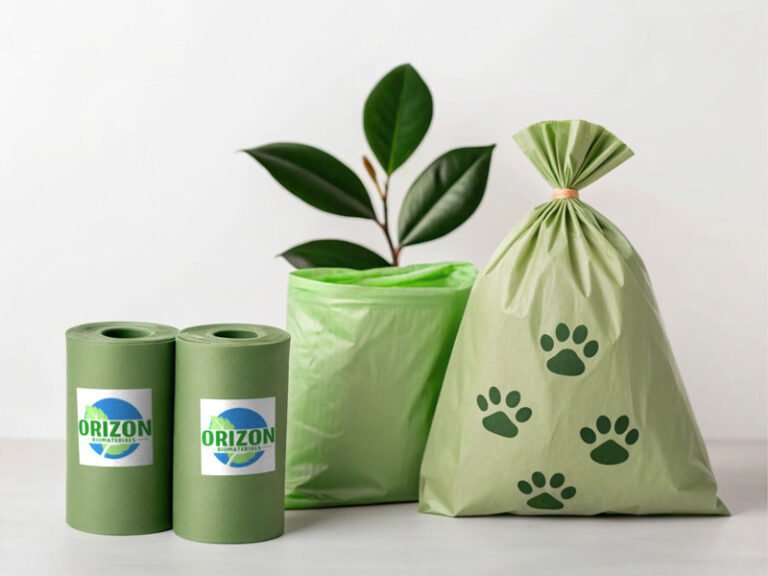
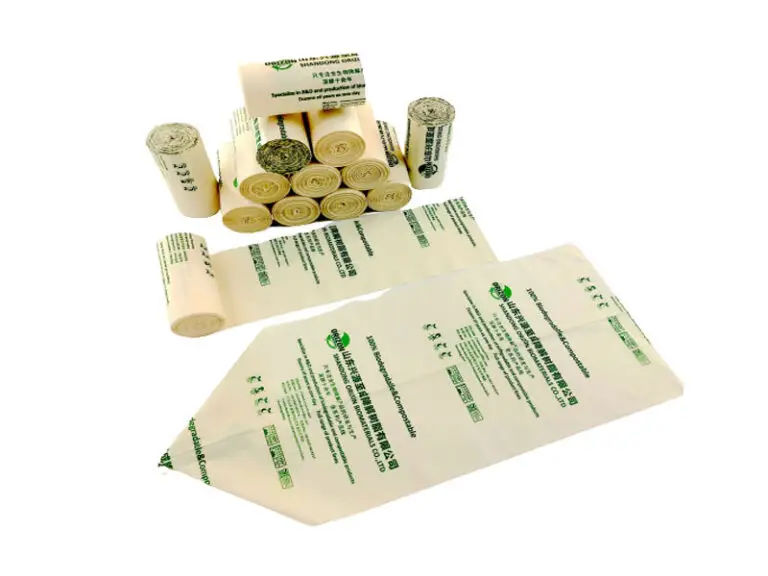
- compostable garbage bags
- food waste collection liners
- compostable shopping bags
- certain food service packaging
- agricultural films
Traditional plastics are commonly used for:
- heavy-duty industrial packaging
- long-shelf-life packaging
- rigid bottles and containers
- multilayer packaging systems
- products requiring strong moisture barriers and very low cost
For commercial compostable packaging applications, see our compostable garbage bags solutions.
Challenges of Bioplastics
Although bioplastics are often marketed as a sustainable solution, they still face several practical limitations.
Limited infrastructure
Many compostable bioplastics require industrial composting facilities, which are not available in all regions.
Consumer confusion
People often confuse “biodegradable,” “compostable,” and “bio-based,” which can lead to incorrect disposal.
Higher cost
Bioplastics are often more expensive than conventional plastics, especially in applications where high performance is required.
Material performance differences
Some bioplastics may have lower heat resistance, lower moisture resistance, or different mechanical properties compared with traditional plastics.
Conclusion
The difference between bioplastics and plastics is not just about appearance. It is about raw materials, environmental behavior, disposal systems, and product design.
Traditional plastics are still widely used because they are durable, versatile, and inexpensive. However, their dependence on fossil fuels and long-term persistence in the environment continue to drive demand for alternatives.
Bioplastics offer important advantages in renewable sourcing and compostable packaging applications, especially when supported by proper certification and waste management systems. But they are not a universal replacement for all conventional plastics.
For packaging buyers, brand owners, and sustainability teams, the best approach is to evaluate each material based on application, performance, certification, and end-of-life infrastructure.
FAQ
What is the difference between bioplastics and plastics?
The main difference is that bioplastics are made partly from renewable biological resources, are biodegradable, or both, while traditional plastics are usually made from fossil fuels and are generally not biodegradable.
Are bioplastics biodegradable?
Some bioplastics are biodegradable, but not all. A bioplastic can be bio-based without being biodegradable.
Are bioplastics compostable?
Some bioplastics are compostable if they meet standards such as ASTM D6400 or EN 13432. Others are not compostable.
Are bioplastics better than traditional plastics?
Bioplastics can be a better option in certain applications, especially where compostable packaging and reduced fossil fuel use are important. However, they are not always the best solution for every product.
Can bioplastics replace all plastics?
No. Bioplastics are useful in many packaging applications, but traditional plastics still offer advantages in durability, cost, and large-scale infrastructure compatibility.