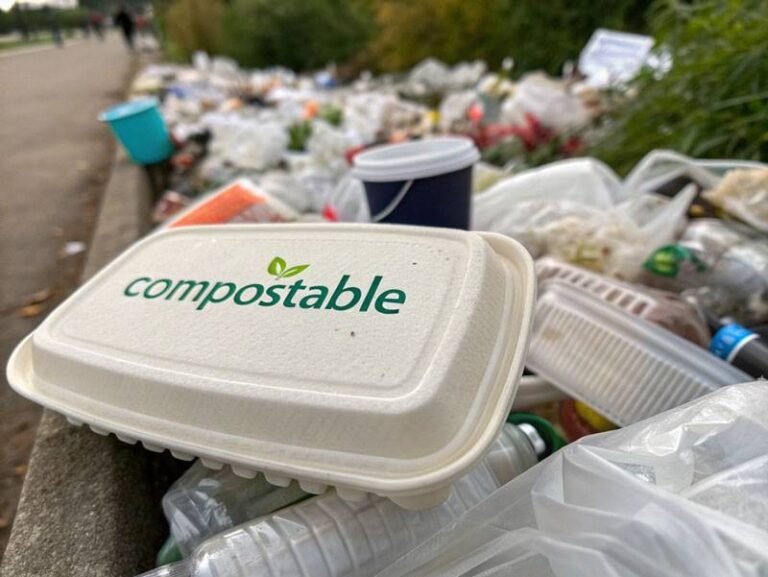
PBAT (polybutylene adipate terephthalate) is a biodegradable thermoplastic polymer widely used in compostable plastics and sustainable packaging.
Unlike traditional plastics made entirely from fossil fuels, PBAT is designed to decompose under composting conditions, making it a key material in the development of biodegradable plastic alternatives.
PBAT is commonly used in:
- compostable trash bags
- food waste collection bags
- agricultural films
- biodegradable packaging
Because of its flexibility and durability, PBAT is often blended with PLA and starch-based polymers to produce compostable packaging materials.

PBAT Definition (Featured Snippet)
PBAT (polybutylene adipate terephthalate) is a biodegradable polyester polymer made from adipic acid, butanediol, and terephthalic acid.
It belongs to a class of materials known as aliphatic–aromatic copolyesters, which combine:
- flexibility
- durability
- biodegradability
This unique molecular structure allows PBAT to behave similarly to conventional plastics while still being capable of biological degradation under composting conditions.
PBAT Raw Material Sources
| Component | Typical Source | Renewable? |
|---|---|---|
| Butylene glycol | Petroleum derivatives | No |
| Adipic acid | Corn sugar derivatives | Partial |
| Terephthalic acid | Petroleum/corn hybrid | Partial |
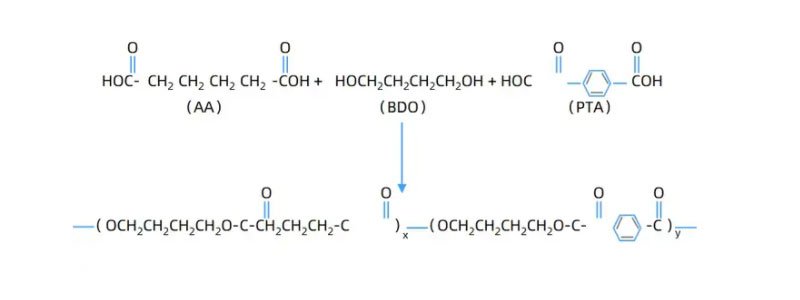
Chemical Structure of PBAT
PBAT is a random copolymer formed by combining:
- adipic acid
- terephthalic acid
- 1,4-butanediol
The presence of these chemical groups creates a material that balances:
- flexibility
- toughness
- biodegradability
The aliphatic segments enable microbial degradation, while the aromatic segments provide mechanical strength.
Key Properties of PBAT Plastic
PBAT is widely used because it offers properties similar to traditional polyethylene.
| Property | PBAT Plastic |
|---|---|
| Flexibility | Very high |
| Biodegradability | Compostable |
| Processing | Compatible with conventional plastic processing |
| Strength | Moderate |
| Heat resistance | Lower than PET |
One major advantage is that PBAT has high elongation and flexibility, making it suitable for films and bags.

Is PBAT Biodegradable or Compostable?
PBAT can degrade through microbial activity in controlled composting environments.
Most compostable plastics require industrial composting facilities where temperature, oxygen, and humidity are carefully managed.
Learn more about how these facilities operate in our article about industrial composting systems.
During degradation, PBAT can break down into:
- carbon dioxide
- water
- biomass
This makes PBAT suitable for compostable packaging applications, especially when certified under standards such as:
- EN 13432
- ASTM D6400
These certifications ensure the material breaks down safely without toxic residues.
PBAT vs PLA
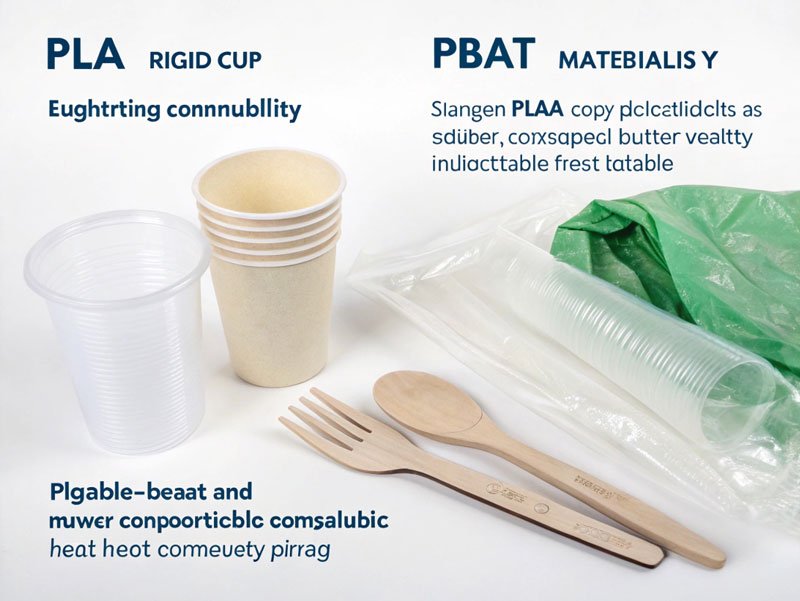
PBAT is often blended with PLA to improve flexibility and film performance.
PLA provides rigidity while PBAT adds elasticity, making the combination suitable for compostable plastic bags and packaging films.
To understand how PLA works in biodegradable plastics, see our guide to PLA compostable materials.
| Feature | PBAT | PLA |
|---|---|---|
| Raw material | Fossil or bio-based | Plant-based |
| Flexibility | High | Low |
| Strength | Moderate | High |
| Compostability | Industrial | Industrial |
PLA tends to be rigid, while PBAT provides flexibility.
For this reason, many compostable packaging products use PLA/PBAT blends to combine the strengths of both materials.
Applications of PBAT in Packaging
For compostable packaging to be accepted in regulated waste systems, materials must meet recognized environmental standards.
These standards are verified through third-party certification programs.
Read our overview of compostable certification standards to understand how these certifications work.
Common applications include:
- compostable garbage bags
- dog waste bags
- agricultural mulch films
- food packaging films
PBAT is particularly suitable for film extrusion processes, making it one of the most important materials in compostable bag production.
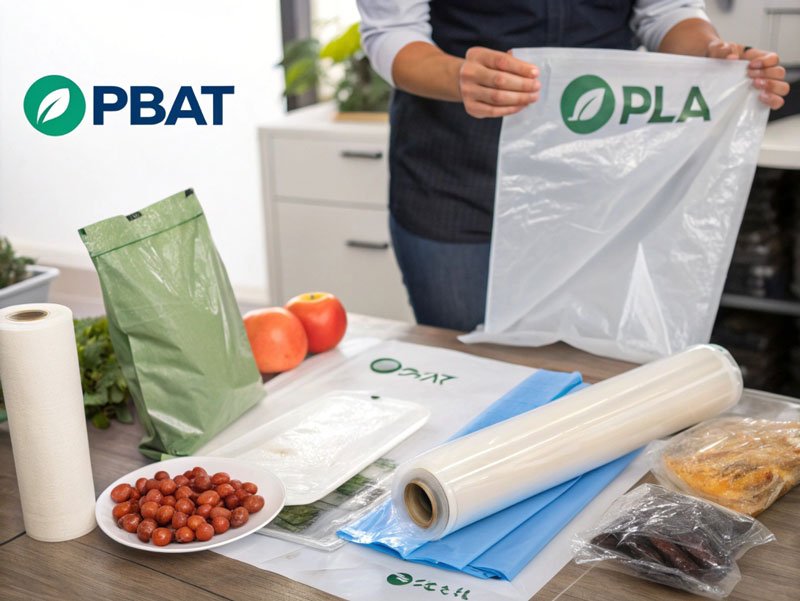
PBAT in Compostable Bag Manufacturing
In compostable bag production, PBAT is typically blended with:
- PLA
- starch-based polymers
This combination improves:
- flexibility
- tear resistance
- processing performance
Manufacturers use PBAT blends to produce compostable packaging products such as:
- food waste bags
- compostable bin liners
- compostable courier mailers
These products must meet compostable certification standards before entering regulated waste systems.

Environmental Impact of PBAT
PBAT helps reduce dependence on conventional plastics by providing a biodegradable alternative.
Advantages include:
- compatibility with composting systems
- reduced long-term plastic pollution
- flexibility similar to polyethylene
However, PBAT also has limitations:
- higher cost than traditional plastics
- dependence on composting infrastructure
Proper waste management systems are necessary to fully realize the environmental benefits of biodegradable plastics.cially for export to environmentally regulated markets like Europe, North America, and Australia.
Future of PBAT Materials
With global regulations targeting single-use plastics, demand for biodegradable materials is increasing.
PBAT is expected to play an important role in:
- compostable packaging
- agricultural films
- biodegradable consumer products
Advances in polymer technology and recycling infrastructure will further improve the sustainability and performance of PBAT materials.
Conclusion:
PBAT (polybutylene adipate terephthalate) is one of the most widely used biodegradable plastics in modern packaging.
Its flexibility, compostability, and compatibility with conventional plastic processing make it an important material for compostable bags and sustainable packaging solutions.
As regulations continue to limit traditional plastic waste, PBAT will remain a key material in the transition toward biodegradable and compostable plastics.
FAQs
What is PBAT plastic used for?
PBAT is commonly used for compostable trash bags, agricultural films, food packaging, and biodegradable plastic products.
Is PBAT biodegradable?
Yes. PBAT is biodegradable and can break down through microbial activity under composting conditions.
Is PBAT compostable?
PBAT can be compostable when certified under standards such as EN13432 or ASTM D6400.
Is PBAT plant-based?
PBAT is usually fossil-based but biodegradable. Some versions are partially bio-based.
Why is PBAT blended with PLA?
PLA provides rigidity while PBAT adds flexibility, making the combination ideal for compostable plastic bags.
Compostable Packaging Applications
PBAT is widely used in the production of compostable packaging and biodegradable plastic bags.
Manufacturers commonly blend PBAT with PLA to produce flexible films for applications such as:
- compostable trash bags
- dog waste bags
- food waste collection bags
- compostable courier mailers
If you are sourcing certified compostable packaging materials or finished products, explore our compostable bag manufacturing solutions.
👉 Compostable Bags Manufacturer
Or visit our product pages: