Compost is a dark, crumbly, nutrient-rich material created when organic matter breaks down through the action of microorganisms. It is often called “black gold” because it helps improve soil structure, adds nutrients, and supports healthier plant growth.
So, what is compost and how does it work?
In simple terms, compost is the end product of composting, a natural process in which bacteria, fungi, oxygen, water, and organic waste work together to transform food scraps, leaves, and plant matter into a soil conditioner.
Compost is widely used in gardens, farms, landscaping, and home growing systems because it helps soil hold water, improves aeration, and reduces the need for chemical fertilizers.
In this guide, you will learn:
- what compost is
- how compost works
- the difference between compost and fertilizer
- the benefits of compost
- how to start making compost at home
If you are new to composting, this article will help you understand the basics before moving on to more how to compost at home.
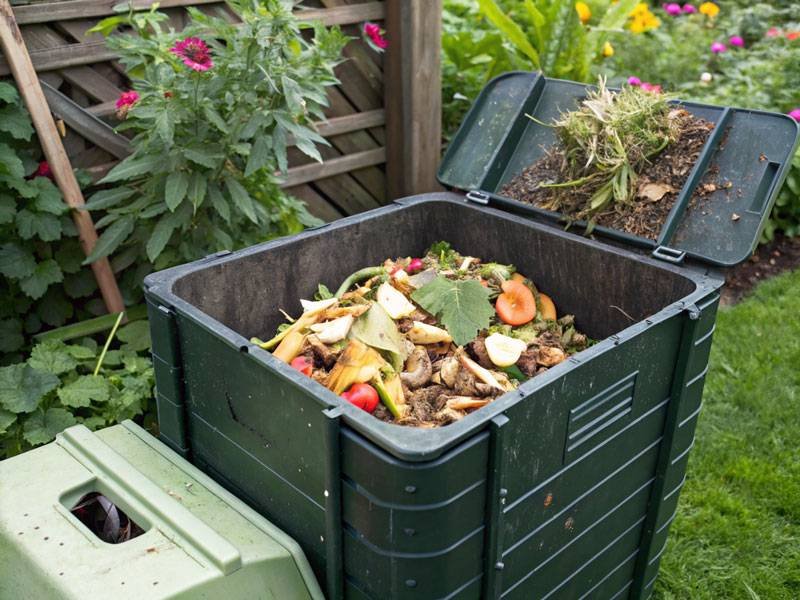
What Is Compost?
Compost is a natural soil amendment made from decomposed organic materials such as:
- fruit and vegetable scraps
- dry leaves
- grass clippings
- coffee grounds
- shredded paper
- plant trimmings
When these materials break down in the presence of oxygen, moisture, and microorganisms, they gradually turn into a stable, humus-like material called compost.
Unlike raw organic waste, finished compost is safe to apply to soil because it is more stable, less likely to smell, and rich in nutrients that support plant growth.
How Does Compost Work?
Compost works through a biological process called aerobic decomposition.
In this process, microorganisms such as bacteria and fungi feed on organic matter and break it down into simpler substances. As they do this, they generate heat and transform waste into nutrient-rich compost.
Four main elements are required for compost to work properly:
Carbon-Rich Materials
These are often called brown materials and include dry leaves, cardboard, straw, and paper.
Nitrogen-Rich Materials
These are often called green materials and include fruit scraps, vegetable peels, coffee grounds, and fresh grass clippings.
Water
Moisture helps microorganisms survive and break down the material efficiently.
Oxygen
Oxygen is essential for aerobic decomposition. Without enough airflow, compost may become smelly and anaerobic.
A healthy compost system depends on balancing these materials. If you want a more practical walkthrough, see our guide on how to compost at home.

What Is the Difference Between Compost and Composting?
Many people confuse these two terms.
Compost is the finished product.
Composting is the process that creates it.
In other words:
- composting = the activity
- compost = the result
If you want to understand the process in more detail, composting is simply the controlled decomposition of organic matter into useful soil-building material.
Compost vs Fertilizer
Compost and fertilizer are not the same thing.
| Feature | Compost | Fertilizer |
|---|---|---|
| Main role | Improves soil health | Supplies nutrients |
| Nutrient release | Slow and natural | Often fast |
| Soil structure | Improves texture and aeration | Usually does not improve structure |
| Water retention | Increases | Limited effect |
| Sustainability | Recycles waste | Often industrially produced |
Compost improves the overall condition of the soil, while fertilizer mainly adds specific nutrients such as nitrogen, phosphorus, or potassium.
That is why compost is often preferred in sustainable gardening systems.
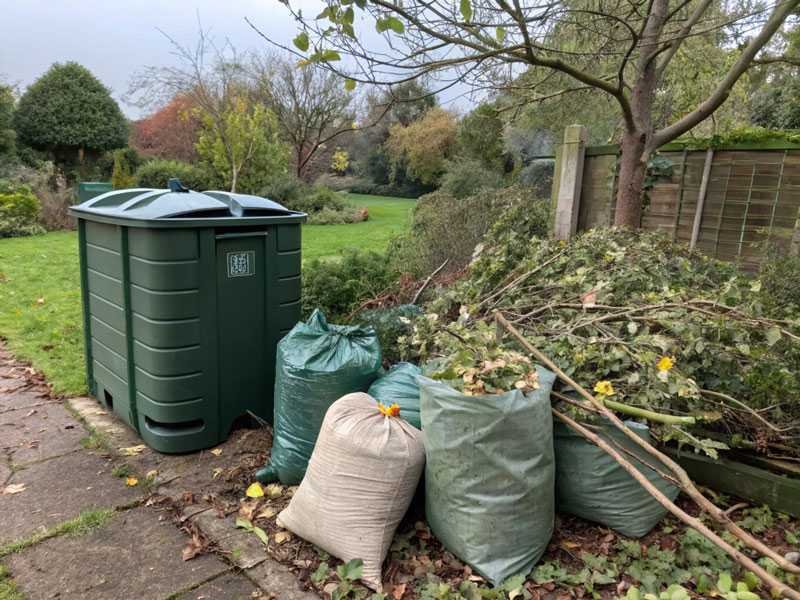
Benefits of Compost
Compost provides many environmental and gardening benefits.
Improves Soil Structure
Compost makes soil looser, more breathable, and better at holding moisture.
Adds Nutrients Naturally
It supplies organic matter and supports the slow release of nutrients.
Reduces Waste
Composting diverts food scraps and yard waste away from landfill.
Supports Sustainable Living
Making compost at home is one of the simplest ways to reduce waste and live more sustainably.
Reduces Dependence on Chemical Fertilizers
Because compost improves long-term soil health, gardeners often need fewer synthetic inputs.
To better understand which materials are suitable for compost systems, see our guide on what are compostable materials.
What Materials Can Turn Into Compost?
A wide range of organic materials can be composted.
Common examples include:
- fruit and vegetable scraps
- coffee grounds and tea leaves
- eggshells
- dry leaves
- shredded cardboard
- untreated paper
- grass clippings
- garden trimmings
However, not every material that seems “eco-friendly” should go into a backyard compost bin.
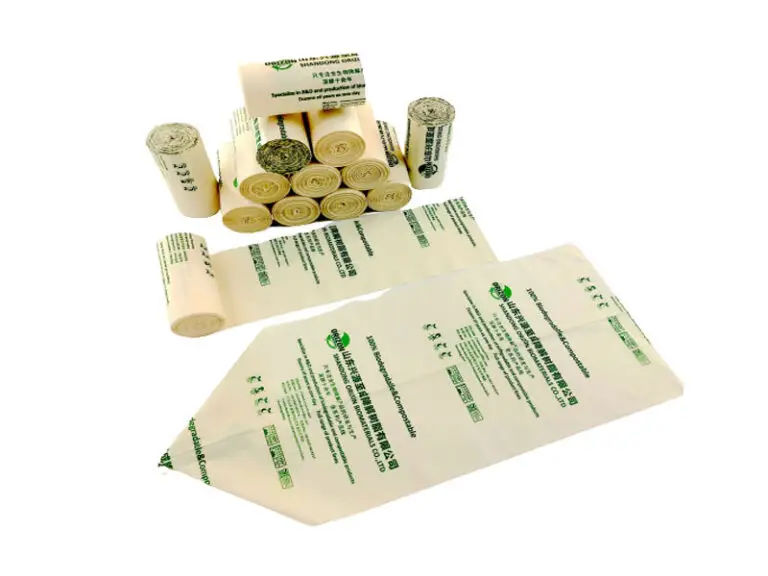
Some products, including certain compostable plastics and bags, may require higher temperatures found only in industrial composting systems.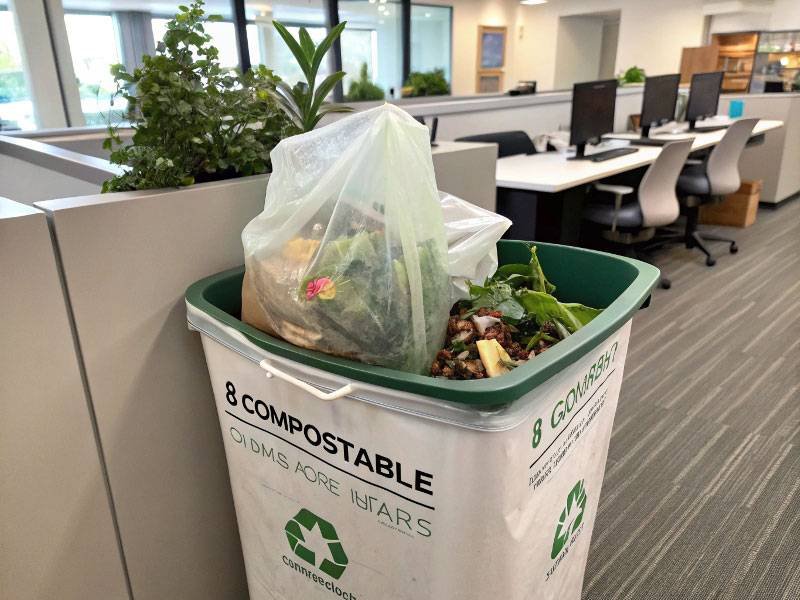
What Should Not Go Into Compost?
Some materials can cause problems in home compost systems.
Avoid adding:
- meat
- fish
- dairy
- oily foods
- pet waste
- treated wood
- synthetic materials
- diseased plants
These items may attract pests, create odors, or introduce pathogens.
How Long Does It Take for Compost to Form?
The time required depends on the composting method, material balance, temperature, and how often the pile is turned.
Typical timeframes include:
- active hot composting: 2 to 3 months
- regular home composting: 4 to 6 months
- slow composting: 6 to 12 months
Smaller indoor systems may behave differently from larger outdoor compost piles.
 retail cashiers
How to Make Compost at Home
If you want to start composting, the basic process is simple.
Step 1: Choose a Composting Method
You can use a backyard pile, compost bin, tumbler, worm bin, or Bokashi bucket.
Step 2: Collect Green and Brown Materials
Aim for a practical mix of about 2 to 3 parts browns to 1 part greens.
Step 3: Keep It Moist
The compost should feel like a wrung-out sponge.
Step 4: Turn It Regularly
Turning introduces oxygen and helps speed up decomposition.
Step 5: Wait Until It Matures
Finished compost becomes dark, crumbly, and earthy-smelling.
For the full beginner process, read How to Compost at Home: Step-by-Step Guide for Beginners.
Composting in Small Spaces
You do not need a large backyard to make compost.
Urban households can compost using:
- worm composting
- Bokashi systems
- sealed countertop compost bins
- compact compost tumblers
Small-space composting is especially useful for apartment dwellers who want to reduce food waste without needing a full outdoor compost pile.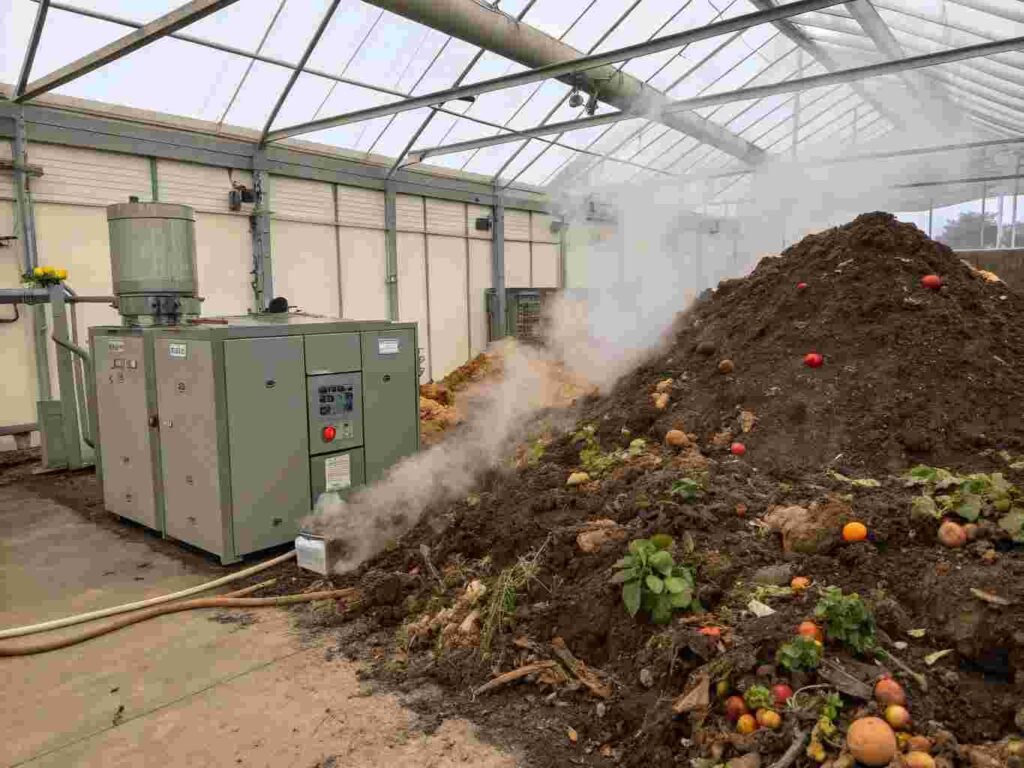 working principle of industrial composting
Common Composting Problems
Compost Smells Bad
Usually caused by too much moisture or too many green materials. Add browns and improve aeration.
Compost Is Not Breaking Down
This often means the pile lacks nitrogen, moisture, or oxygen.
Compost Attracts Pests
This usually happens when meat, oily foods, or uncovered scraps are added.
Compost Is Too Wet or Too Dry
Adjust by adding dry browns or a small amount of water.
Is Composting Worth It?
Yes. Composting is worth it for many households because it reduces waste, improves soil, and lowers gardening costs over time.
Even a simple home system can:
- reduce the amount of garbage sent to landfill
- provide free soil amendment
- support healthier plants
- encourage sustainable daily habits
For many people, composting is one of the easiest and most practical environmental habits to build at home.
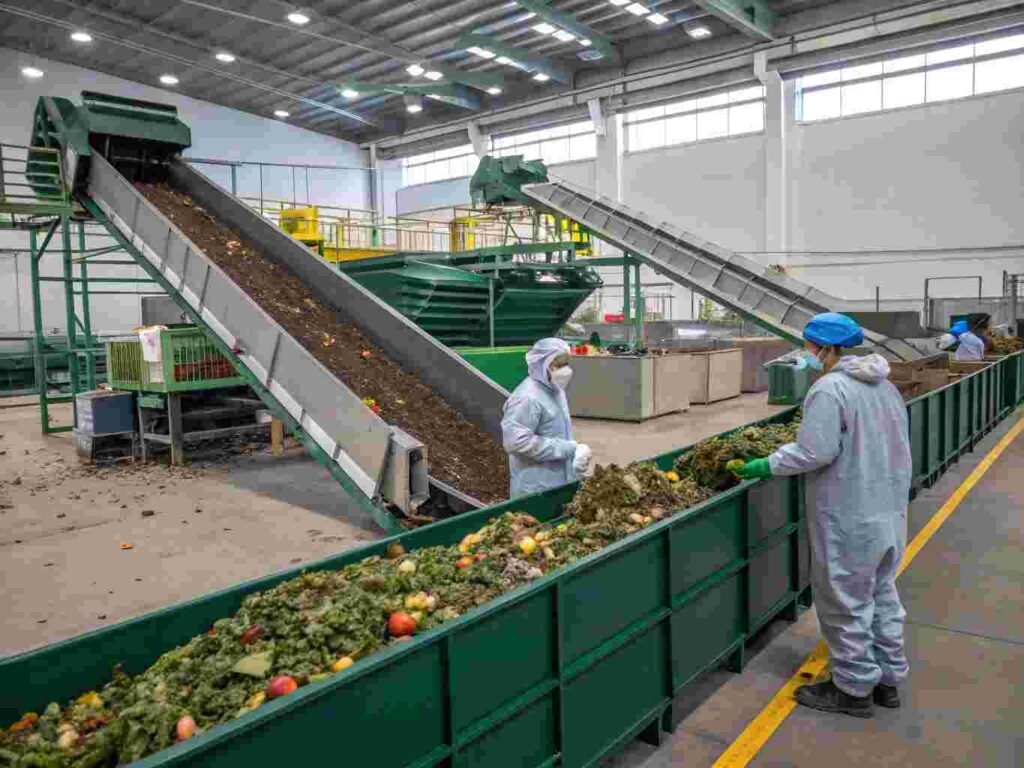 industrial composting
Composting Safety Tips
To compost safely:
- wear gloves when handling unfinished compost
- avoid adding pet waste or diseased plants
- turn compost with tools rather than bare hands
- keep bins well ventilated
- supervise children during composting activities
These small precautions help keep composting hygienic and easy to manage.
Conclusion
Compost is a nutrient-rich material made from decomposed organic matter, and it works by improving soil health, water retention, and nutrient availability.
Understanding what compost is and how it works makes it much easier to begin composting with confidence. Whether you have a backyard, a balcony, or a small indoor setup, composting can help you reduce waste and create a more sustainable home.
If you are ready to begin, the next best step is to read our full guide on how to compost at home and start building your own compost system.
FAQ
What is compost?
Compost is a dark, crumbly, nutrient-rich material made when organic waste breaks down through microbial activity.
How does compost work?
Compost works through aerobic decomposition, where microorganisms break down organic matter in the presence of oxygen, water, carbon, and nitrogen.
What is the difference between compost and composting?
Compost is the finished product, while composting is the process used to create it.
Is compost better than fertilizer?
Compost improves overall soil structure and health, while fertilizer mainly provides concentrated nutrients.
Can I make compost at home?
Yes. You can make compost at home using a compost bin, pile, tumbler, worm system, or Bokashi method depending on your space.
Last updated: March 10, 2026 at 9:27 am