As sustainability claims become more common in the packaging industry, many buyers encounter terms such as oxo-degradable, biodegradable, and oxo-biodegradable.
Although these words sound similar, they do not mean the same thing.
This difference is important. In many markets, especially regulated packaging markets, using the wrong term can create confusion, compliance risk, and misleading environmental claims. Oxo-degradable plastics are designed to fragment through oxidation, while biodegradable plastics are expected to break down through the action of microorganisms under defined conditions. In regulated compostable packaging, standards such as ASTM D6400 and EN 13432 are used to verify whether a material can biodegrade and disintegrate safely.
This guide explains the real difference between oxo-degradable and biodegradable plastics, why the term “oxo-biodegradable” is controversial, and what packaging buyers should check before choosing a material.
For certification requirements, see our guide to ASTM D6400.
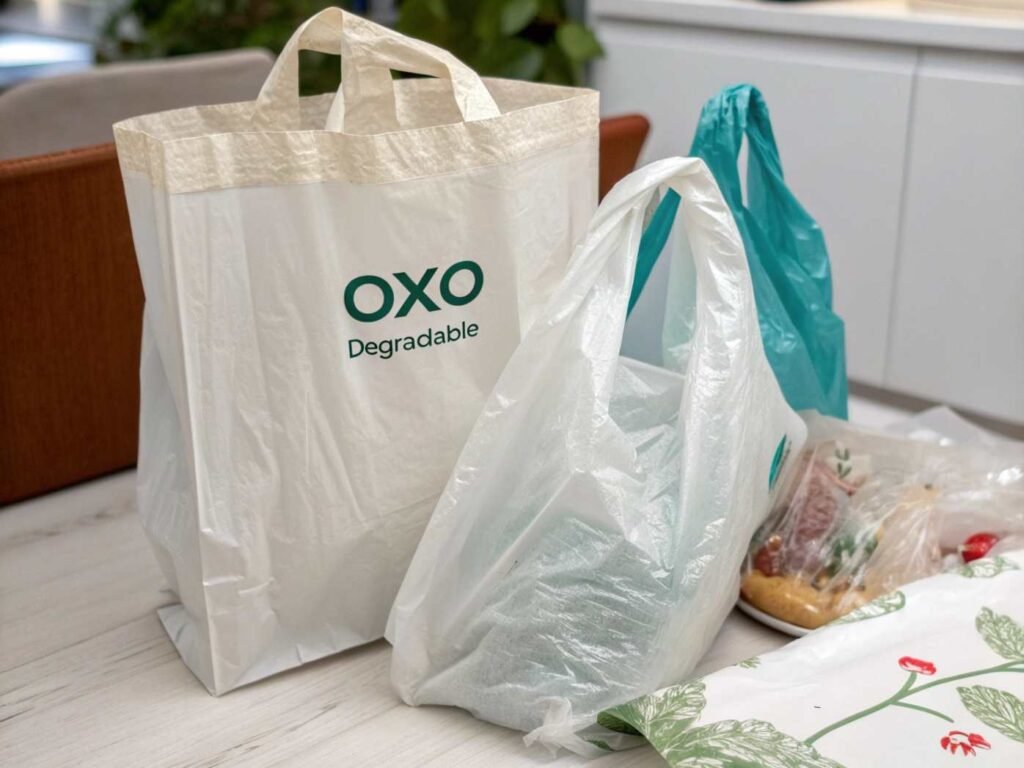
What Is Oxo-Degradable Plastic?
Oxo-degradable plastic is typically a conventional plastic made from fossil-based polymers such as polyethylene, with additives that promote oxidation when exposed to heat, UV light, or oxygen.
According to the European Chemicals Agency, oxo-degradable plastics are conventional plastics containing additives that accelerate oxidation of the material. The concern is that this process promotes fragmentation rather than verified full biodegradation.
In practical terms, oxo-degradable plastic usually does not behave like certified compostable plastic. Instead of fully converting into carbon dioxide, water, biomass, and safe organic matter under validated composting conditions, it often first breaks into smaller fragments. This is one of the main reasons oxo-degradable plastics have faced regulatory criticism.
What Is Biodegradable Plastic?
Biodegradable plastic is a plastic material that can be broken down by microorganisms into natural substances such as carbon dioxide, water, biomass, and mineral salts under specific conditions.
However, “biodegradable” is not enough by itself. The claim only becomes meaningful when it is tied to a defined environment and a recognized test standard. For example, compostable plastics are typically verified through specifications such as ASTM D6400 in the United States. ASTM identifies D6400 and D6868 as specification standards for compostable plastics and compostable coatings on paper substrates.
That means a plastic may be called biodegradable in theory, but unless it is tested against a standard, the claim may not tell buyers how fast it breaks down, under what temperature, or whether harmful residues remain.
For related background, see What Is Biodegradable Plastic?
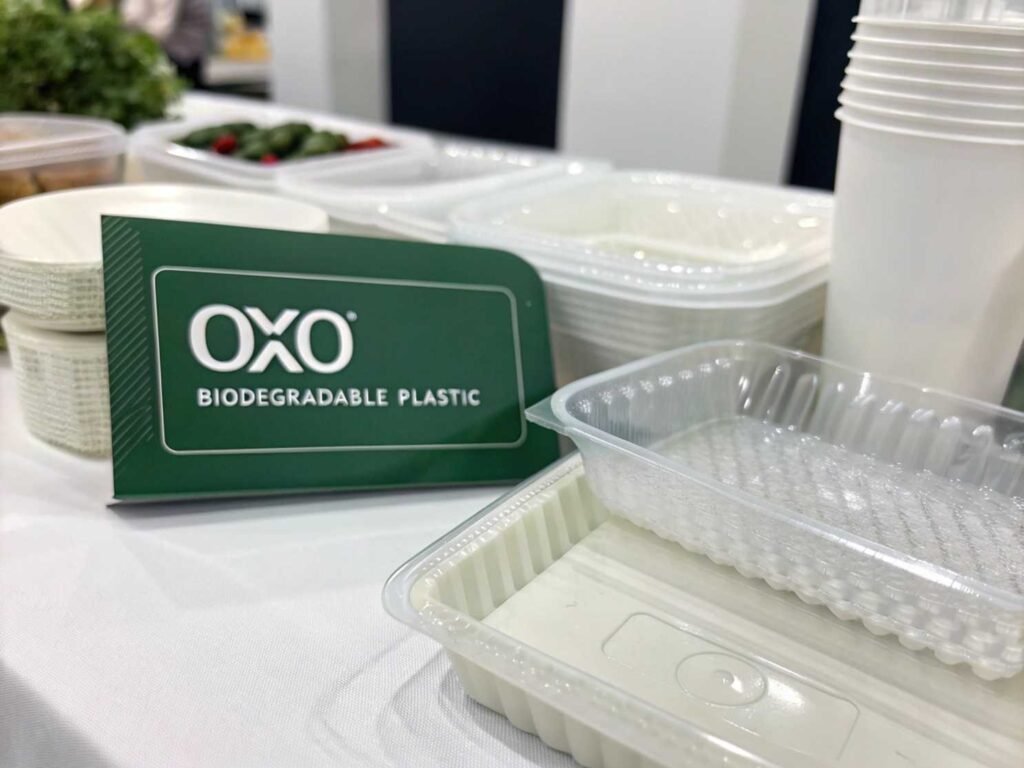
What Does “Oxo-Biodegradable” Mean?
The term oxo-biodegradable is often used to describe oxo-degradable plastics that are marketed as eventually becoming biodegradable after oxidative fragmentation.
This is exactly where confusion starts.
The criticism from regulators and technical experts is that fragmentation is not the same thing as verified biodegradation. A material that breaks into small pieces is not automatically proven to biodegrade fully and safely in real waste systems. European policy documents and ECHA materials have repeatedly treated oxo-degradable plastics as problematic because oxidation can lead to fragmentation into micro-fragments rather than validated compostability.
So from an SEO and compliance perspective, this page should clearly explain:
- oxo-biodegradable = marketing term often used for oxo-degradable plastics, but technically controversial
- oxo-degradable = oxidation-led fragmentation of conventional plastic
- biodegradable = microbially broken down under defined conditions
Oxo-Degradable vs Biodegradable: Key Differences
1. Base material
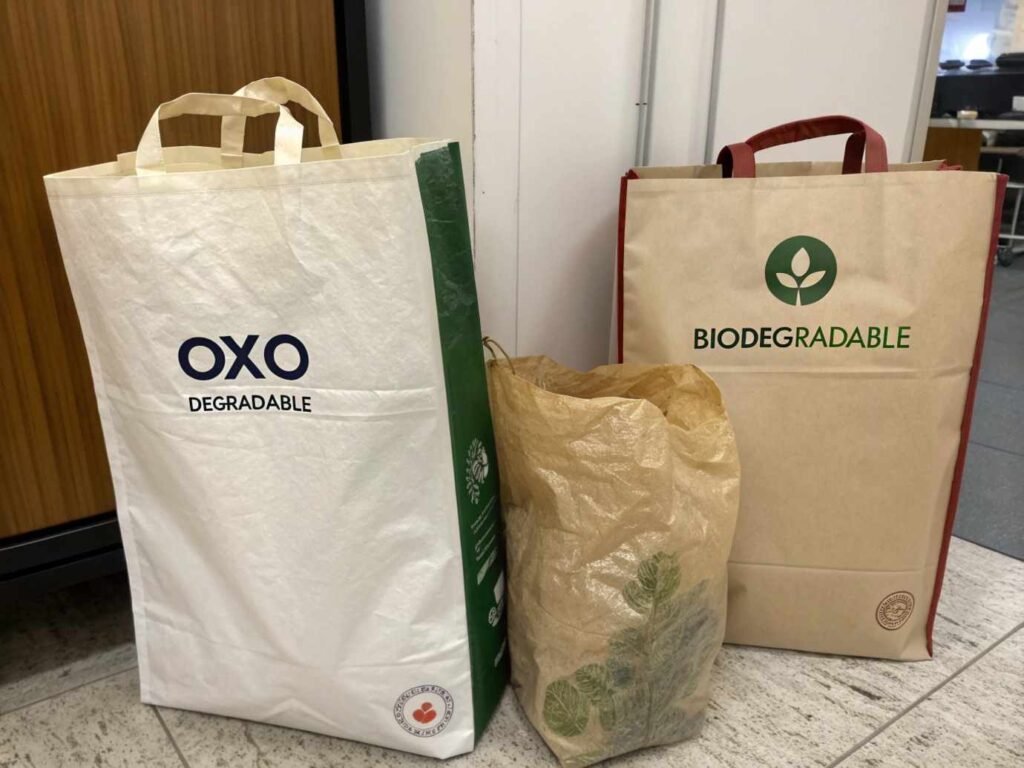
Oxo-degradable plastics are usually made from conventional fossil-based plastics with oxidation additives.
Biodegradable plastics are usually made from biodegradable polymers or certified compostable blends, depending on the intended end-of-life system.
2. Breakdown mechanism
Oxo-degradable plastics mainly begin degrading through oxidation, triggered by UV exposure, heat, and oxygen.
Biodegradable plastics are expected to break down through biological activity, meaning microorganisms consume the material under suitable conditions.
3. End result
Oxo-degradable plastics may fragment into smaller pieces before any further degradation happens.
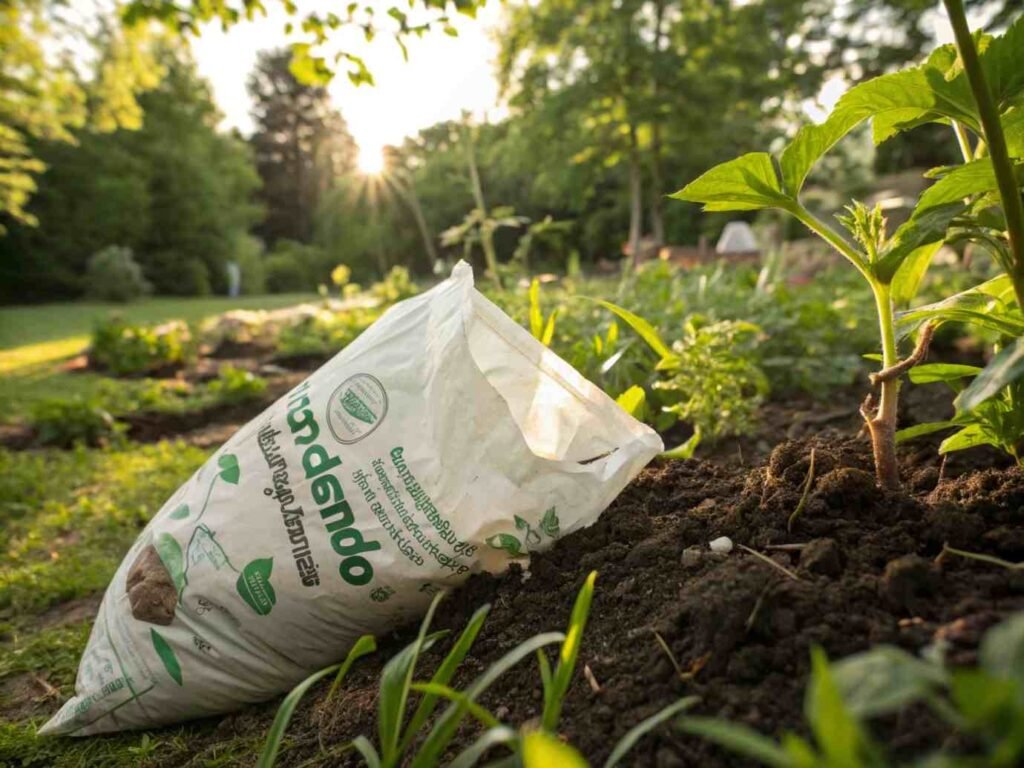
Biodegradable plastics, when properly certified and correctly disposed of, are intended to convert into carbon dioxide, water, biomass, and safe residues under the relevant conditions. ASTM D6400 compostable specifications are specifically designed around this kind of biological breakdown during composting. product breaks down in industrial composting facilities within 180 days and leaves no toxic waste.
4. Certification pathway
Oxo-degradable plastics are not the same as certified compostable plastics.
Biodegradable and compostable plastics may be tested against standards such as:
- ASTM D6400
- EN 13432
These standards evaluate biodegradation, disintegration, and environmental safety in composting systems.
5. Regulatory acceptance
Products made from oxo-degradable plastic are restricted in the European Union under the Single-Use Plastics framework. EU materials explicitly state that products made from oxo-degradable plastic are prohibited from being placed on the market.
By contrast, certified compostable plastics may be accepted in some regulated composting and organics collection systems when they meet recognized standards and local rules.
Oxo-Degradable vs Biodegradable vs Compostable
A common mistake is treating biodegradable and compostable as identical. They are not.
Compostable is a narrower and more verifiable category. Compostable plastics must meet specific technical standards that evaluate:
- biodegradation rate
- disintegration during composting
- heavy metal limits
- ecotoxicity or compost safety
ASTM materials describe D6400 as a key specification standard for compostable plastics, and EU technical materials similarly distinguish verified compostability from weaker environmental claims.
This means:
- an oxo-degradable plastic is not automatically compostable
- a biodegradable claim without standards may still be vague
- a compostable plastic should be validated against a recognized standard
For certification context, see:
Why Oxo-Degradable Plastics Are Controversial
Oxo-degradable plastics became controversial because they were often marketed as an environmentally friendly alternative to conventional plastic, while regulators questioned whether the materials truly biodegraded in a complete and safe way.
The European Union’s technical and policy materials have pointed to the risk that oxo-degradable plastics may fragment into small particles, contributing to microplastic concerns rather than solving them. This is one reason the EU moved to prohibit products made from oxo-degradable plastic under the Single-Use Plastics Directive framework.
For packaging buyers, this means oxo-degradable claims can create serious compliance and reputation risks.
What Packaging Buyers Should Check Instead
If you are sourcing sustainable bags or flexible packaging, do not rely only on words like:
- degradable
- biodegradable
- eco-friendly
- oxo-biodegradable
Instead, check for:
Recognized certification
Look for certification linked to defined standards such as ASTM D6400 or EN 13432.
Intended disposal system
Ask whether the product is designed for:
- industrial composting
- home composting
- landfill
- ordinary waste disposal
Third-party documentation
A qualified supplier should be able to provide certification, test reports, and material information.
Regional compliance
Different markets treat oxo-degradable claims differently. In the EU, products made from oxo-degradable plastic are not allowed on the market under the applicable single-use plastics rules.
Which Is Better for Sustainable Packaging?
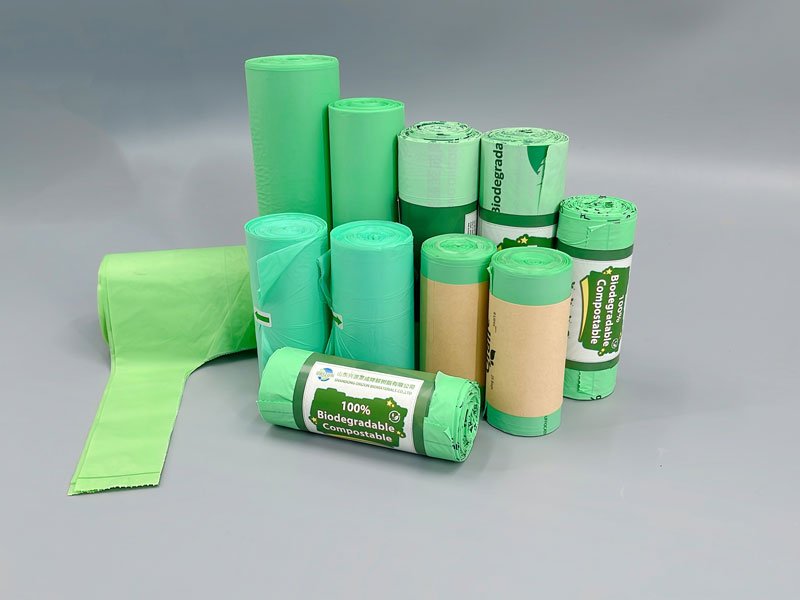
For most regulated compostable packaging applications, certified compostable materials are far more credible than oxo-degradable plastics.
Oxo-degradable plastics are generally not the preferred choice for brands that want compliance, compostability, and strong environmental claims. By contrast, certified compostable plastics tested to standards such as ASTM D6400 are better aligned with modern organics collection systems and transparent sustainability communication.
So in practical sourcing terms:
- oxo-degradable is generally a weak and risky route
- biodegradable needs testing context
- certified compostable is usually the strongest and clearest option
Conclusion
The difference between oxo-degradable and biodegradable plastics is not just a matter of wording. It affects compliance, environmental performance, and how a product behaves after disposal.
Oxo-degradable plastics are usually conventional plastics with additives that promote oxidation and fragmentation. Biodegradable plastics are expected to break down through microbial action under specific conditions. The term “oxo-biodegradable” is widely disputed because fragmentation alone does not prove complete biodegradation.
For businesses choosing sustainable packaging, the safest approach is to focus on clear standards, third-party certification, and disposal-system fit rather than marketing language alone.
If your goal is compliant compostable packaging, certification-based materials are the better long-term choice.
FAQ
Is oxo-degradable plastic biodegradable?
Not in the same way as certified biodegradable or compostable plastics. Oxo-degradable plastics are conventional plastics with additives that promote oxidation and fragmentation, but that does not automatically prove full biodegradation.
What is the difference between oxo-degradable and biodegradable plastic?
Oxo-degradable plastic breaks down initially through oxidation, while biodegradable plastic is expected to be broken down by microorganisms under defined conditions.
Is oxo-biodegradable plastic compostable?
Not automatically. Compostable plastics need to meet specific technical standards such as ASTM D6400 or EN 13432.
Why is oxo-degradable plastic controversial?
It is controversial because regulators and technical bodies have raised concerns that it can fragment into micro-fragments rather than fully biodegrade in a verified way. The EU has prohibited products made from oxo-degradable plastic from being placed on the market.
What should buyers look for instead of oxo-degradable claims?
Buyers should look for recognized certification, test reports, and standards-based claims such as ASTM D6400 or EN 13432 for compostable plastics.