As compostable plastics become more common in packaging and waste management systems, certification standards play a crucial role in ensuring materials break down safely and reliably.
Industrial compost certification verifies that plastic materials can biodegrade and disintegrate under the controlled conditions found in commercial composting facilities.
Without certification, products labeled as “biodegradable” or “eco-friendly” may fail to break down properly or leave microplastic residues.
This guide explains how industrial compost certification works, which standards are used worldwide, and how businesses can verify certified compostable materials.
For a complete overview of global compostable certification systems, see our Compostable Certifications Guide.
What Is Industrial Compost Certification?
Industrial compost certification confirms that a plastic product can safely break down in industrial composting facilities.
These facilities operate under carefully controlled conditions, including:
- high temperatures (typically 55–60°C)
- regulated moisture levels
- active microbial populations
- controlled aeration and oxygen supply
Under these conditions, certified compostable materials biodegrade into carbon dioxide, water, and biomass without leaving harmful residues.
Industrial compost certification ensures that materials behave similarly to organic waste such as food scraps and garden waste during composting.
To understand the industrial composting process itself, see What Is Industrial Composting .
Major Industrial Compost Certification Standards
Several international standards are used to verify industrial compostable plastics.
Although the testing methods vary slightly, most standards evaluate similar performance criteria such as biodegradation, disintegration, and environmental safety.
ASTM D6400 (United States)
ASTM D6400 is the primary standard for industrial compostable plastics in the United States.
It defines testing requirements for plastics designed to break down in industrial composting environments.
Products that meet ASTM D6400 are often certified through BPI Certification , one of the most recognized compostable labels in North America.
EN 13432 (European Union)
EN 13432 is the European standard for compostable packaging materials.
It specifies requirements for:
- biodegradation
- disintegration
- heavy metal limits
- plant toxicity testing
EN 13432 certification is widely used throughout Europe for compostable packaging products.
AS4736 (Australia)
AS4736 is the Australian standard for industrially compostable plastics.
It ensures that compostable products break down properly within Australia's industrial composting infrastructure.
AS4736 is commonly required for food waste collection bags used in Australian FOGO (Food Organics Garden Organics) programs.
For comparison with home compost standards, see AS4736 vs AS5810
Key Testing Requirements for Industrial Compost Certification
To qualify for industrial compost certification, materials must pass several laboratory tests.
Although the exact protocols differ slightly between standards, the core requirements are similar.
Biodegradation
Materials must convert at least 90% of their carbon into carbon dioxide within a specified composting period, usually around 180 days.
Disintegration
During the composting process, materials must physically break down into small fragments so that no visible residues remain in finished compost.
Ecotoxicity
The resulting compost must not harm plant growth.
Laboratory tests verify that compost produced from certified materials supports normal seed germination and plant biomass.
Heavy Metal Limits
Industrial compost standards also limit the concentration of heavy metals to ensure compost safety.
Industrial Compost Certification vs Home Compost Certification
Industrial compost certification should not be confused with home compost certification.
Industrial composting systems operate at significantly higher temperatures than backyard compost systems.
As a result, materials certified for industrial composting may not degrade effectively in home compost environments.
For a detailed explanation of the differences, see Home Composting vs Industrial Composting
Home compostable materials are usually certified under standards such as AS5810 or OK Compost HOME.
Why Industrial Compost Certification Matters
Industrial compost certification provides several important benefits for businesses and waste management systems.
Prevents Greenwashing
Certification ensures that products labeled “compostable” meet verified scientific standards.
Supports Waste Infrastructure
Certified materials are compatible with industrial composting facilities and organic waste collection systems.
Improves Environmental Reliability
Certified compostable plastics break down completely during composting, reducing the risk of persistent plastic contamination.
Common Applications of Industrial Compostable Plastics
Industrial compostable plastics are widely used in packaging and waste collection.
Typical applications include:
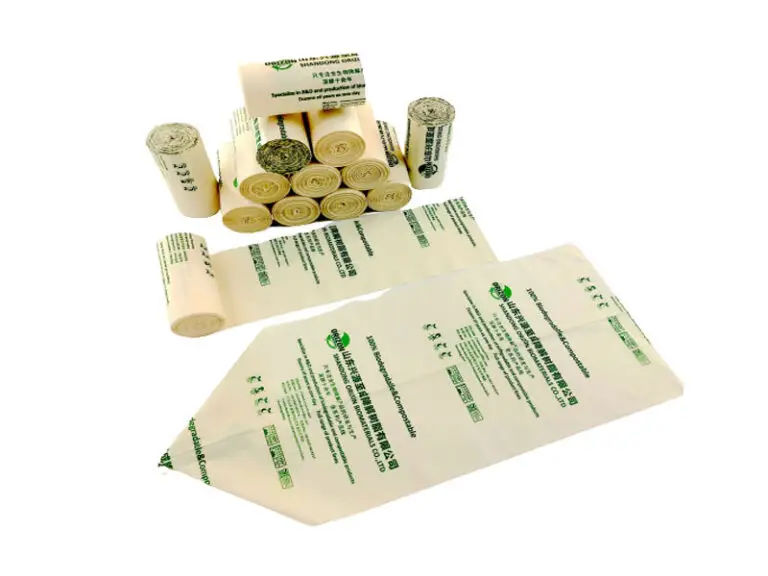
- food waste collection liners
- compostable garbage bags
- compostable shopping bags
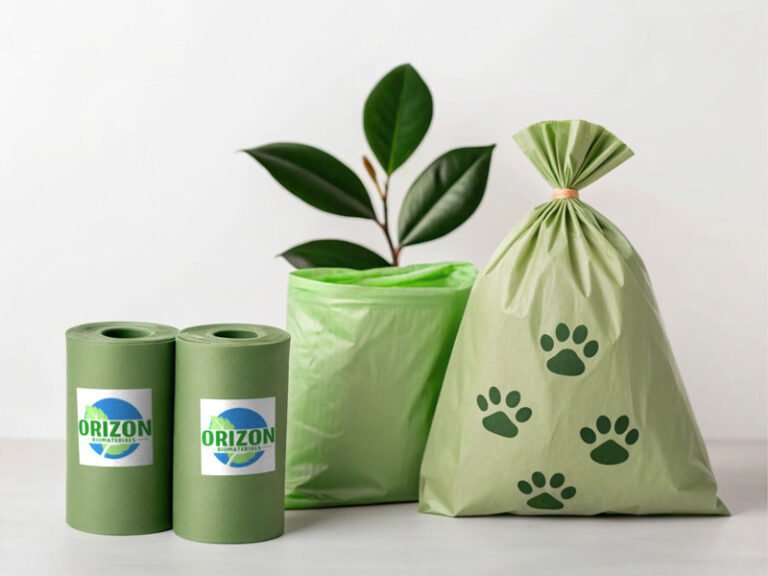
- compostable dog waste bags
- compostable packaging films
For commercial supply options, see our compostable trash bags
How to Verify Industrial Compost Certification
When sourcing compostable products, it is important to confirm certification authenticity.
Recommended verification steps include:
Check Certification Labels
Look for recognized certification marks such as:
- BPI Certified Compostable
- TÜV Austria OK Compost INDUSTRIAL
- ABA Seedling Logo
Verify Certification Databases
Certification numbers can often be verified through the official websites of certification bodies.
Request Supplier Documentation
Professional suppliers should be able to provide:
- certification certificates
- third-party laboratory reports
- product technical specifications
For a step-by-step verification process, see How to Verify Compostable Certification
Conclusion
Industrial compost certification ensures that compostable plastics break down safely and effectively within commercial composting systems.
Standards such as ASTM D6400, EN 13432, and AS4736 define strict requirements for biodegradation, disintegration, and environmental safety.
Understanding these certification systems helps businesses source reliable compostable materials and support sustainable waste management practices.
FAQ
What does industrial compostable mean?
Industrial compostable materials are plastics designed to break down in commercial composting facilities under controlled temperature, moisture, and microbial conditions.
What certifications are used for industrial compostable plastics?
The most common industrial compost certification standards include ASTM D6400, EN 13432, and AS4736.
Are industrial compostable plastics biodegradable?
Yes. Certified materials must biodegrade into carbon dioxide, water, and biomass without leaving harmful residues.
Can industrial compostable bags break down in home compost?
Not always. Many industrial compostable plastics require higher temperatures than those found in backyard compost systems.