The global compostable bags market has grown rapidly as governments, businesses, and consumers look for sustainable alternatives to traditional plastic bags.
Increasing environmental awareness and stricter regulations on single-use plastics are driving demand for compostable and biodegradable bags worldwide.
Compostable bags are widely used in waste management, retail packaging, and organic waste collection systems. As sustainability becomes a priority for many industries, the market for compostable bags continues to expand.
This article examines the size of the compostable bags market, major growth drivers, industry trends, and future opportunities.
What Are Compostable Bags?
Compostable bags are packaging products designed to break down in composting environments into natural components such as water, carbon dioxide, and biomass.
Unlike traditional plastic bags, compostable bags do not leave long-lasting plastic residues when processed under proper composting conditions.
Most compostable bags are produced using biodegradable materials such as:
• PLA (polylactic acid)
• PBAT (polybutylene adipate terephthalate)
• plant-based starch blends
Learn more about what compostable bags are made of.
Global Compostable Bags Market Size
The compostable bags market has expanded significantly over the past decade.
Growing environmental regulations and the expansion of organic waste collection programs have increased demand for compostable waste bags.
Key characteristics of the market include:
• increasing adoption of compostable garbage bags
• rising demand for food waste collection bags
• expanding composting infrastructure
• growing use of eco-friendly retail bags
Industry analysts expect the compostable bags market to continue growing as sustainability policies become more widespread.
Key Drivers of Market Growth
Several major factors are contributing to the growth of the compostable bags market.
Plastic Reduction Regulations
Many countries and regions have introduced regulations to reduce single-use plastic bags.
These policies encourage businesses and consumers to switch to biodegradable or compostable alternatives.
Organic Waste Collection Programs
Municipal organic waste collection programs are expanding in many cities.
Compostable liners are commonly used in food waste collection systems because they can be processed together with organic waste.
Consumer Demand for Sustainable Products
Consumers are increasingly choosing environmentally friendly packaging options.
Retailers and brands are responding by adopting compostable bags and other sustainable packaging solutions.
Major Applications of Compostable Bags
Compostable bags are used in many different industries.
Waste Collection
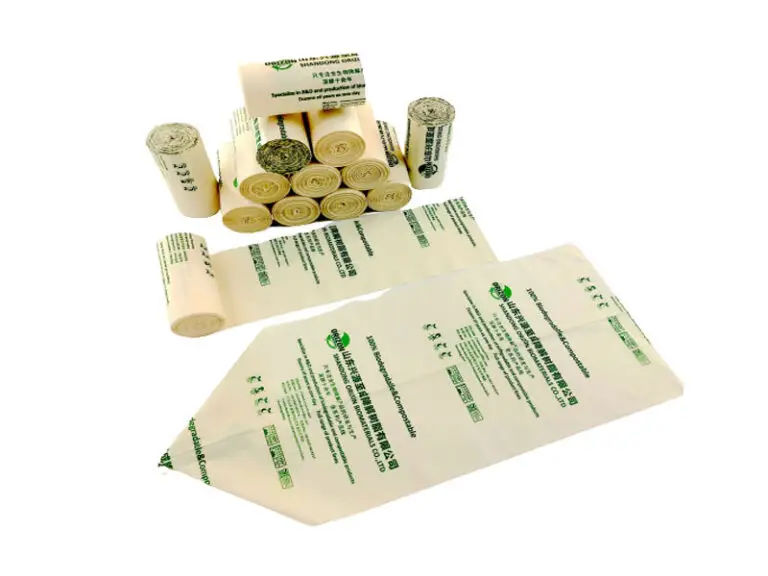
Compostable garbage bags and food waste liners are widely used in municipal composting programs.
Retail Packaging
Retailers are replacing traditional plastic shopping bags with compostable alternatives.
Pet Waste Management
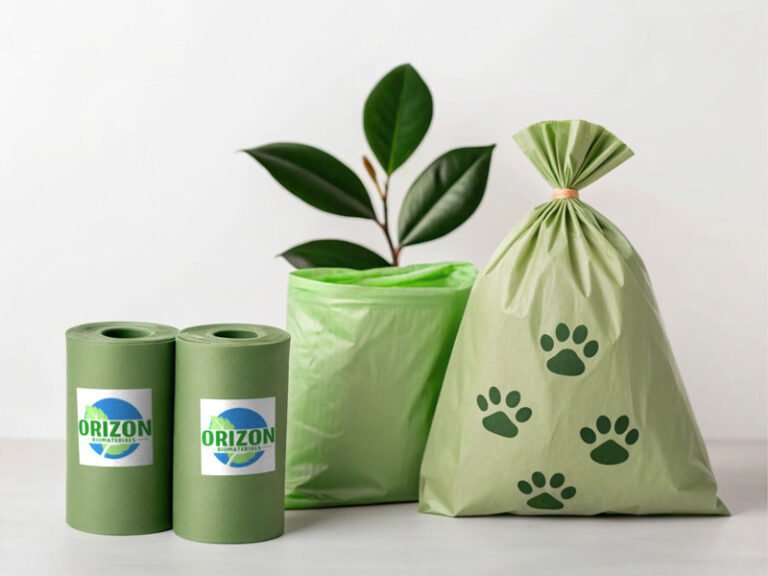
Compostable dog waste bags are becoming increasingly popular among environmentally conscious consumers.
Key Materials Used in Compostable Bags
The compostable bags market relies on the development of biodegradable polymers that provide both strength and compostability.
Common materials include:
• PLA (plant-based bioplastic)
• PBAT biodegradable polymer
• starch-based materials
These materials are processed using specialized manufacturing technologies.
To understand how they are produced, see compostable bag production process.
Regional Market Trends
The adoption of compostable bags varies across different regions depending on regulations and waste management infrastructure.
Europe
Europe has one of the most advanced compostable packaging markets due to strict environmental policies and well-developed composting systems.
North America
The compostable bags market in North America is growing rapidly, supported by certification standards such as ASTM D6400 and BPI certification.
Asia-Pacific
Asia-Pacific plays an important role in manufacturing compostable bags and biodegradable materials.
The region is also experiencing growing domestic demand for sustainable packaging products.
Challenges in the Compostable Bags Market
Although the market is growing quickly, several challenges remain.
These include:
• higher costs compared with conventional plastic bags
• limited composting infrastructure in some regions
• consumer confusion about biodegradable vs compostable products
Continued technological innovation and improved waste management systems will be essential for overcoming these challenges.
Future Outlook
The future outlook for the compostable bags market remains positive.
Several trends are expected to drive continued growth:
• stricter plastic reduction policies
• increasing corporate sustainability commitments
• improved biodegradable materials technology
• expansion of composting infrastructure
As environmental awareness continues to increase, compostable bags are expected to play an important role in the transition toward sustainable packaging systems.
Conclusion
The compostable bags market is expanding rapidly as governments and businesses seek alternatives to conventional plastic bags.
With strong demand from waste management systems, retail packaging, and consumer products, compostable bags are becoming an important part of the sustainable packaging industry.
Understanding market trends helps businesses identify opportunities and adapt to the growing demand for environmentally responsible packaging solutions.
FAQ
What is the compostable bags market?
The compostable bags market refers to the global industry producing biodegradable bags designed to break down in composting environments.
Why is the compostable bags market growing?
The market is expanding due to environmental regulations, plastic reduction policies, and growing consumer demand for sustainable packaging.
What materials are used in compostable bags?
Most compostable bags are made from PLA, PBAT, and starch-based biodegradable polymers.
Where are compostable bags commonly used?
Compostable bags are widely used for garbage bags, food waste collection liners, retail shopping bags, and pet waste bags.