Can compostable bags go in the green bin?
Sometimes yes — but only if your local waste program specifically accepts certified compostable bags.
Many cities allow certified compostable bags in green or organics bins, but others reject them because they can look like regular plastic bags or may not break down quickly enough during composting.
That means the word “compostable” on a bag does not automatically mean it belongs in your green bin.
In this guide, you will learn:
-
when compostable bags can go in the green bin
-
why some composting programs reject them
-
what certifications matter
-
how to check your local rules
-
what to do if compostable bags are not accepted
If you are new to compostable materials, you may also want to read our guide on what are compostable materials.
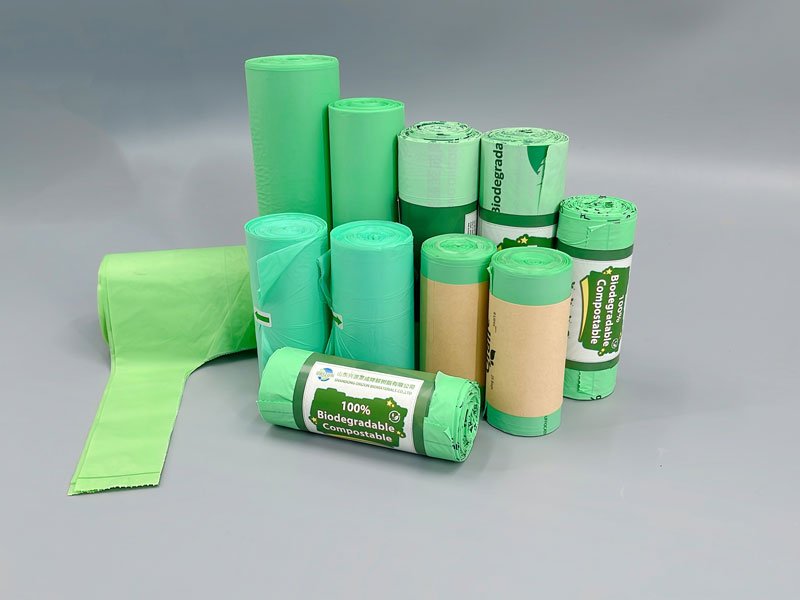
Why Some Cities Reject Compostable Bags
Although compostable bags are designed to break down, many composting programs still do not accept them.
There are several reasons for this.
They Look Too Similar to Plastic Bags
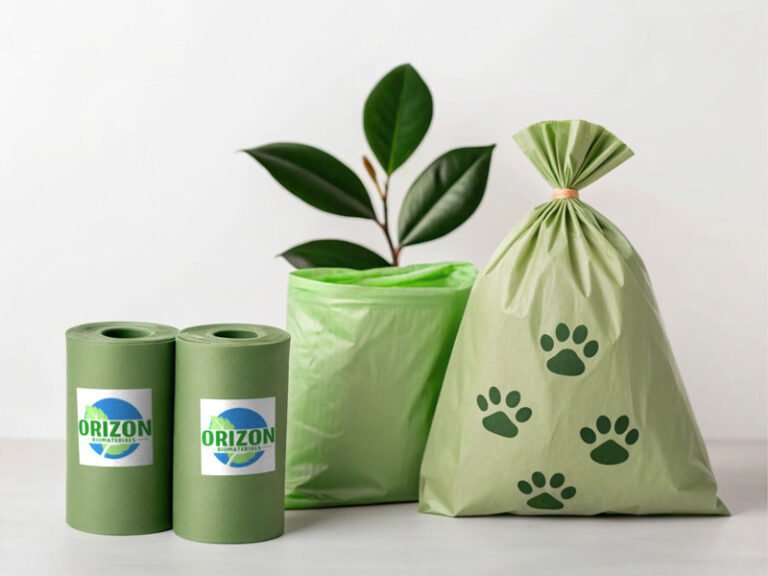
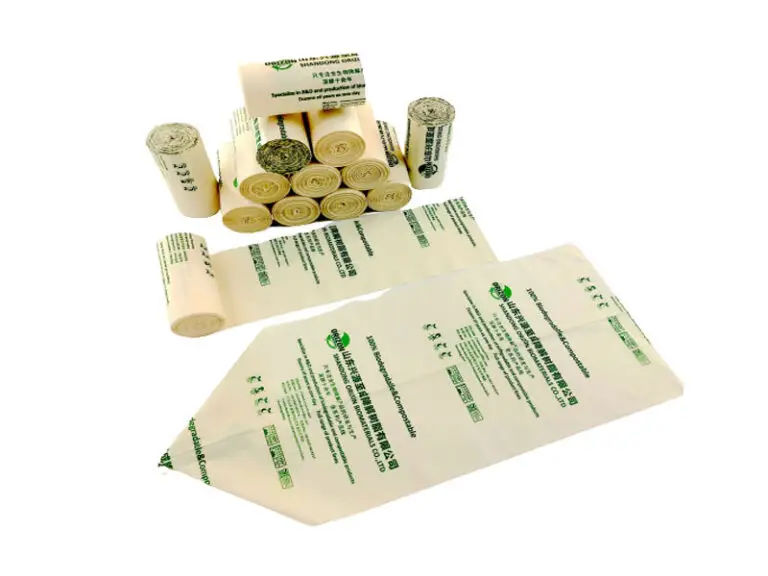
Compostable bags often look almost identical to regular plastic bags.
Sorting facilities may not be able to easily distinguish between them. Because one plastic bag can contaminate an entire compost batch, some composting programs remove all plastic-like bags as a precaution.
Industrial Composting Cycles Are Short
Most industrial composting facilities operate on cycles of 60–90 days.
Some compostable bags may take longer to break down, leaving visible fragments at the end of the composting process. To avoid this issue, some facilities simply prohibit all bags.
To understand how these facilities work, see our guide on industrial composting.
Risk of Uncertified or Fake Products
The market contains many products labeled “eco-friendly” or “biodegradable” that are not truly compostable.
If uncertified bags enter composting systems, they may leave microplastic contamination in finished compost. This makes many composting operators cautious about accepting any bag products.
Compostable Certifications That Matter
Certification helps waste programs identify bags that can break down safely during composting.
BPI Certification (United States)
The Biodegradable Products Institute (BPI) certification is the most widely recognized compostable certification in North America.
BPI-certified products meet the requirements of ASTM D6400 or ASTM D6868, which confirm that the material:
-
breaks down during industrial composting
-
leaves no toxic residues
-
does not produce microplastics
You can learn more in our guide to ASTM D6400 certification.
CMA (Compost Manufacturing Alliance)
The Compost Manufacturing Alliance (CMA) works directly with composting facilities to test products in real composting environments.
Some cities and compost facilities prefer CMA-tested products because they demonstrate real-world compost performance.
TÜV Austria Certification
TÜV Austria offers several compost certifications, including:
-
OK Compost Industrial
-
OK Compost Home
These certifications are common in Europe but are sometimes recognized internationally.
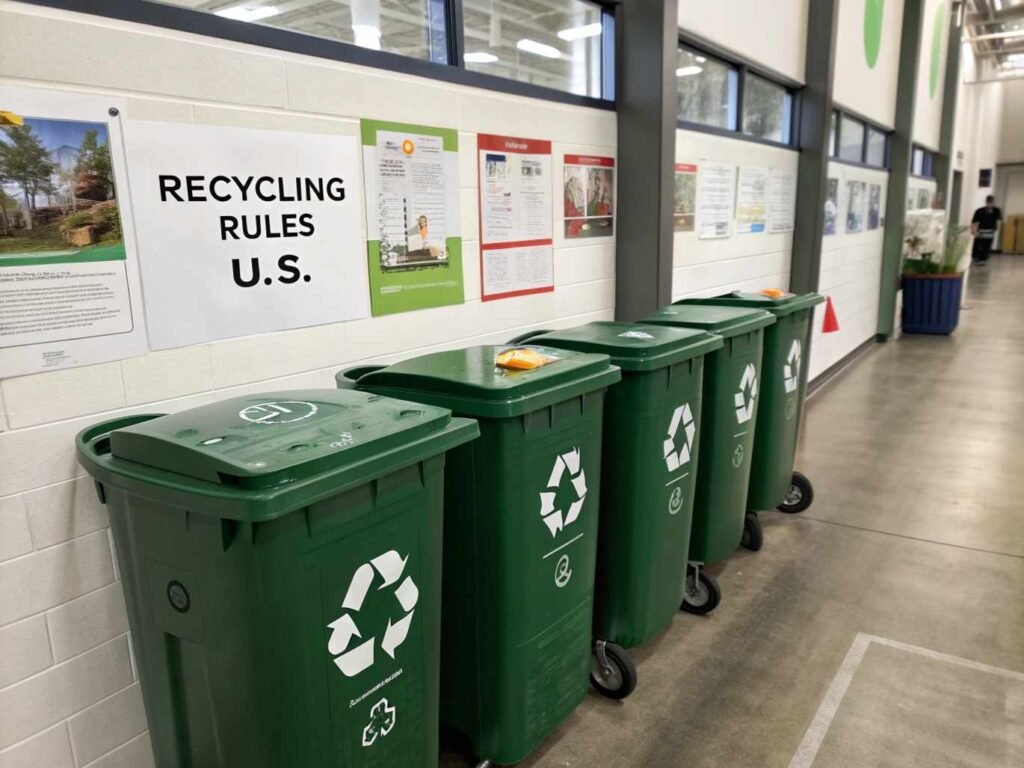
How to Check if Your City Accepts Compostable Bags
Rules for compostable bags vary widely by city and composting facility.
Some municipalities allow certified compostable bags in green bins, while others only allow loose food waste or paper liners.
To check your local rules:
-
Visit your city’s waste management website
-
Search for “organics bin rules” or “green bin guidelines”
-
Look for accepted certifications such as BPI
-
Contact your local waste authority if the rules are unclear
This step is essential because incorrect disposal can contaminate the compost stream.
For more guidance on proper disposal, read our article on how to dispose of compostable bags.
What to Do If Compostable Bags Are Not Accepted
If your city does not allow compostable bags in green bins, there are still alternatives.
Use Paper Liners
Many composting programs accept paper bags or newspaper as liners for food scraps.
Place Food Scraps Directly in the Bin
You can put organic waste directly into the green bin and rinse the container regularly to prevent odors.
Use Backyard Composting
If you compost at home, you may not need liners at all.
Learn how to set up a backyard compost system in our guide on <a href="https://orizonbio.com/how-to-compost-at-home/">how to compost at home</a>.
Use Compostable Bags for Other Waste
If composting is not available, compostable bags can sometimes be used as regular trash liners instead of contaminating compost systems.
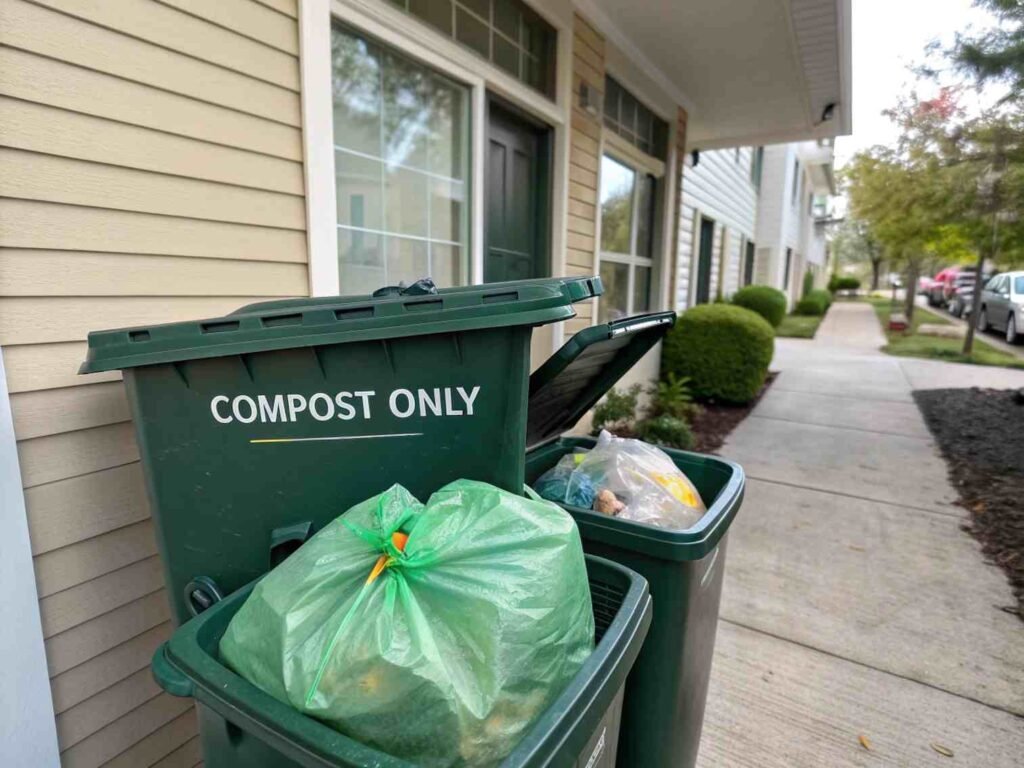
Alternatives to Compostable Bags in Green Bins
If your local compost program does not allow compostable bags, consider these options:
-
paper bags
-
newspaper wrapping
-
reusable kitchen scrap containers
-
cardboard liners
-
direct food waste disposal
These methods help keep compost systems clean while still diverting organic waste from landfill.
Common Mistakes to Avoid
Putting Compostable Bags in Recycling
Compostable bags should never go in recycling bins. They contaminate plastic recycling systems.
Assuming All “Biodegradable” Bags Are Compostable
Many biodegradable bags do not meet compostability standards and may leave microplastics.
Ignoring Certification Labels
Always check for certification marks such as BPI or ASTM D6400.
Expecting Compostable Bags to Break Down in Landfills
Landfills lack the oxygen and microbial activity required for composting.
Conclusion
Compostable bags can sometimes go in the green bin — but only when your local composting program accepts certified compostable bags.
Before placing them in organics bins, you should always:
- check local composting rules
- confirm certification labels
- understand whether bags are accepted by the composting facility
When disposed of correctly, compostable bags can help support sustainable waste management and reduce plastic pollution.
FAQ
Can compostable bags go in the green bin?
Sometimes. Many cities allow certified compostable bags in green bins, but others prohibit them due to sorting difficulties and composting limitations.
How do I know if my city accepts compostable bags?
Check your local waste management website or search for organics bin rules in your city.
Can compostable bags go in recycling?
No. Compostable bags should never go in recycling bins because they contaminate plastic recycling systems.
Why do some composting programs reject compostable bags?
Some bags resemble plastic bags, decompose too slowly, or come from uncertified materials that may contaminate compost.
Are compostable bags suitable for home composting?
Only bags labeled home compostable are designed for backyard compost systems. Many other compostable bags require industrial composting.