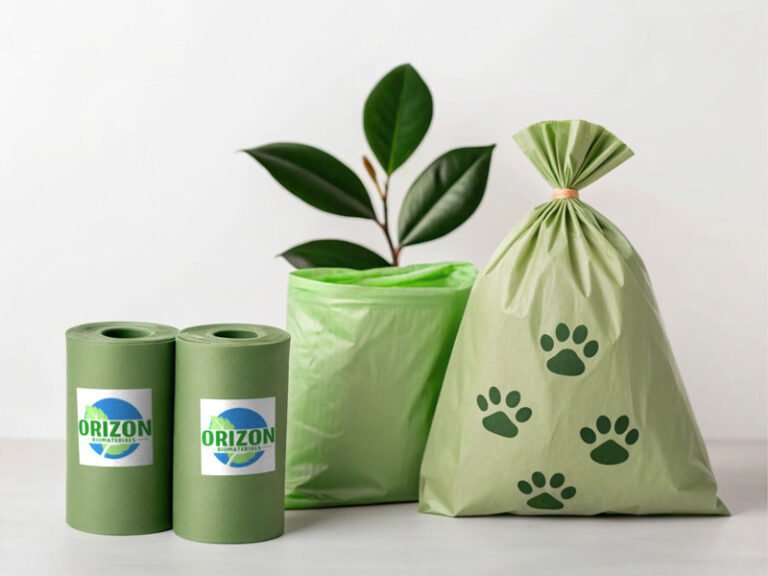
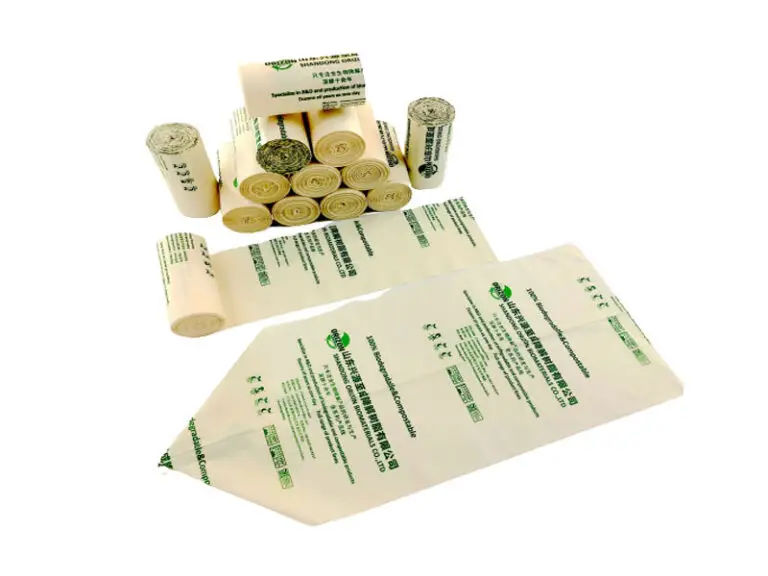
Printing is an important step in compostable bag manufacturing. It allows manufacturers to add logos, product information, certification marks, and usage instructions to biodegradable bags.
Although compostable bags are made from special biodegradable materials, the printing process is similar in many ways to the printing used for conventional plastic packaging. However, compostable films are more sensitive to heat, tension, and ink compatibility, so print control is especially important.
This guide explains the compostable bag printing process, the printing methods commonly used, and the key factors that affect print quality.
For an overview of the full manufacturing workflow, see our guide to compostable bag production process.
Why Printing Matters for Compostable Bags
Printing does more than improve appearance. It also provides essential product and compliance information.
Common printing content on compostable bags includes:
• brand logos
• bag size and thickness
• product usage instructions
• disposal guidance
• compostable certification marks
• barcodes and retail information
For many buyers, clear printing is an important part of product presentation and market compliance.
What Printing Method Is Used for Compostable Bags?
The most common printing method for compostable bags is flexographic printing.
Flexographic printing is widely used for flexible packaging because it is suitable for high-speed roll-to-roll production. It works well on thin compostable films and allows manufacturers to print multiple colors efficiently.
Flexographic printing is commonly used for:
• garbage bags
• shopping bags
• dog waste bags
• food waste liners
• retail compostable packaging
This method is preferred because it combines production efficiency with stable print quality.
Step 1: Preparing the Compostable Film
Before printing begins, the compostable film must be properly prepared.
The printed substrate is usually a blown film made from materials such as PLA, PBAT, and starch-based blends. The film must be clean, smooth, and tension-controlled to ensure stable printing.
To understand how this film is made, see compostable film extrusion process.
Film preparation may include:
• roll inspection
• surface cleaning
• corona treatment for better ink adhesion
• tension adjustment
These steps help improve print consistency and reduce defects.
Step 2: Plate Making and Artwork Setup
Before the printing machine starts, the artwork must be converted into printing plates.
This stage includes:
• logo placement
• text layout
• color separation
• certification mark positioning
• barcode setup
Each print color typically requires its own flexographic plate.
Accurate plate preparation is essential because errors at this stage can affect the final bag appearance and readability.
Step 3: Ink Selection for Compostable Bags
Ink selection is a critical part of the compostable bag printing process.
The inks used for compostable packaging should provide:
• good adhesion
• stable color performance
• low odor
• suitable drying speed
Manufacturers often choose inks that are compatible with biodegradable films and flexible packaging applications.
Poor ink selection can lead to:
• smudging
• fading
• weak adhesion
• print transfer problems
Because compostable films can be more sensitive than conventional plastic films, ink compatibility testing is especially important.
Step 4: Flexographic Printing Process
During printing, the compostable film passes through the flexographic press in roll form.
Ink is transferred from an anilox roller to the printing plate, and then onto the film surface.
The process must carefully control:
• printing pressure
• web tension
• drying temperature
• ink transfer consistency
• registration accuracy
If these parameters are not controlled correctly, print defects may occur.
Typical defects include:
• color misregistration
• blurred text
• uneven ink coverage
• wrinkles in the film
Step 5: Drying and Rewinding
After printing, the ink must dry properly before the film is rewound.
Drying conditions are important because excessive heat may affect biodegradable film performance, while insufficient drying can cause ink transfer or blocking.
Once the film is fully dried, it is rewound into printed rolls for the next stage of production.
These printed rolls are then sent to bag conversion, sealing, and rolling processes.
Certification Marks and Compliance Printing
Many compostable bags require printed certification logos or environmental claims.
These may include marks related to standards such as:
• <a href="/what-is-astm-d6400/">ASTM D6400</a>
• EN 13432
• BPI certification
• Australian compostable standards
Certification marks should only be printed when the product has valid certification and supporting documentation.
Incorrect or misleading environmental claims can create compliance risks and reduce buyer trust.
For a broader overview, see compostable certifications guide.
Print Quality Control for Compostable Bags
Print quality is important for both branding and functionality.
Manufacturers usually inspect:
• print clarity
• color consistency
• logo position
• barcode readability
• ink adhesion
• registration accuracy
Print defects can reduce retail appeal and may also affect regulatory labeling requirements.
Strong quality control helps ensure that compostable bags look professional and meet customer expectations.
Why Printing Quality Matters in B2B Supply
For B2B buyers, printing is not only a design issue. It also affects:
• brand presentation
• shelf appearance
• compliance communication
• product traceability
High-quality printing helps distributors, retailers, and private label brands build a more reliable market image.
If you are sourcing finished products, see our compostable garbage bags solutions.
Conclusion
The compostable bag printing process is a key part of biodegradable bag manufacturing.
From film preparation and plate making to flexographic printing and quality inspection, each step affects the final appearance and usability of the bag.
Because compostable films require careful handling, professional print control is essential for maintaining both product quality and environmental compliance.
Understanding how compostable bags are printed helps buyers evaluate supplier capability and choose better sustainable packaging partners.
FAQ
What printing method is used for compostable bags?
Most compostable bags are printed using flexographic printing. This method is suitable for flexible films and allows efficient roll-to-roll printing with stable quality.
Can compostable bags be printed like normal plastic bags?
Yes, compostable bags can be printed using similar printing technology, but biodegradable films are more sensitive to heat, tension, and ink compatibility.
What information is usually printed on compostable bags?
Compostable bags often include logos, size details, usage instructions, certification marks, disposal guidance, and barcode information.
Do compostable bags need special inks?
They usually require inks that are compatible with biodegradable films and flexible packaging. Ink adhesion, drying performance, and odor control are all important.