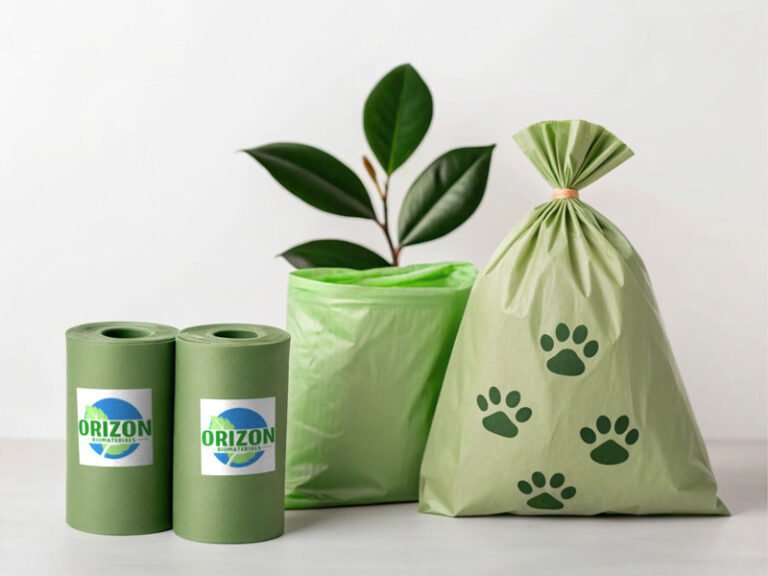
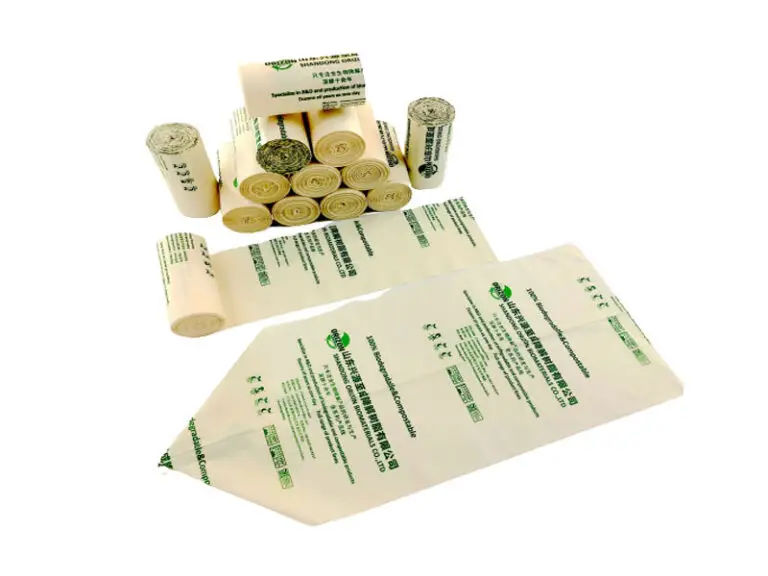
Are compostable bags really compostable? This is one of the most common questions about sustainable packaging and compostable plastics.
In theory, compostable bags are designed to break down into natural elements such as carbon dioxide, water, and biomass. However, the actual decomposition of compostable bags depends on several factors, including the materials used, the composting environment, and whether the product meets recognized certification standards.
Understanding how compostable plastics work is essential for businesses, municipalities, and packaging buyers who want to reduce plastic waste responsibly. In this guide, we explain how compostable bags are made, how they decompose, and why certification plays a crucial role in verifying their environmental performance.
What Does “Compostable” Actually Mean?
The term “compostable” refers to materials that can break down into natural components under controlled composting conditions.
Unlike traditional plastics, compostable materials must decompose into:
- carbon dioxide
- water
- biomass
- non-toxic organic residue
Most compostable standards require this process to occur within 90 to 180 days in industrial composting facilities.
However, compostable does not simply mean that a product will disappear naturally in any environment. Specific temperature, humidity, oxygen levels, and microbial activity are required for proper decomposition.
| Term | Definition | Decomposition Time | Conditions Required | End Products | Notes |
|---|---|---|---|---|---|
| Compostable | Breaks down into CO₂, water, biomass, and non-toxic materials under controlled conditions. | 90–180 days | High temperature, humidity, specific microbes | Safe compost that enriches soil | Requires certification (e.g., BPI); industrial composting often needed. |
| Biodegradable | Can break down through biological activity in various environments (soil, ocean, landfill, etc.). | Varies (can take years) | No specific conditions | May leave microplastics or other residues | No strict regulation on time or final product. |
| Degradable (Oxo-degradable) | Plastics with additives that break down into fragments under sunlight and heat. | Months to years | Sunlight and heat | Microplastics | Banned in many countries (e.g., EU); causes long-term pollution. |
What Materials Are Used in Compostable Bags?
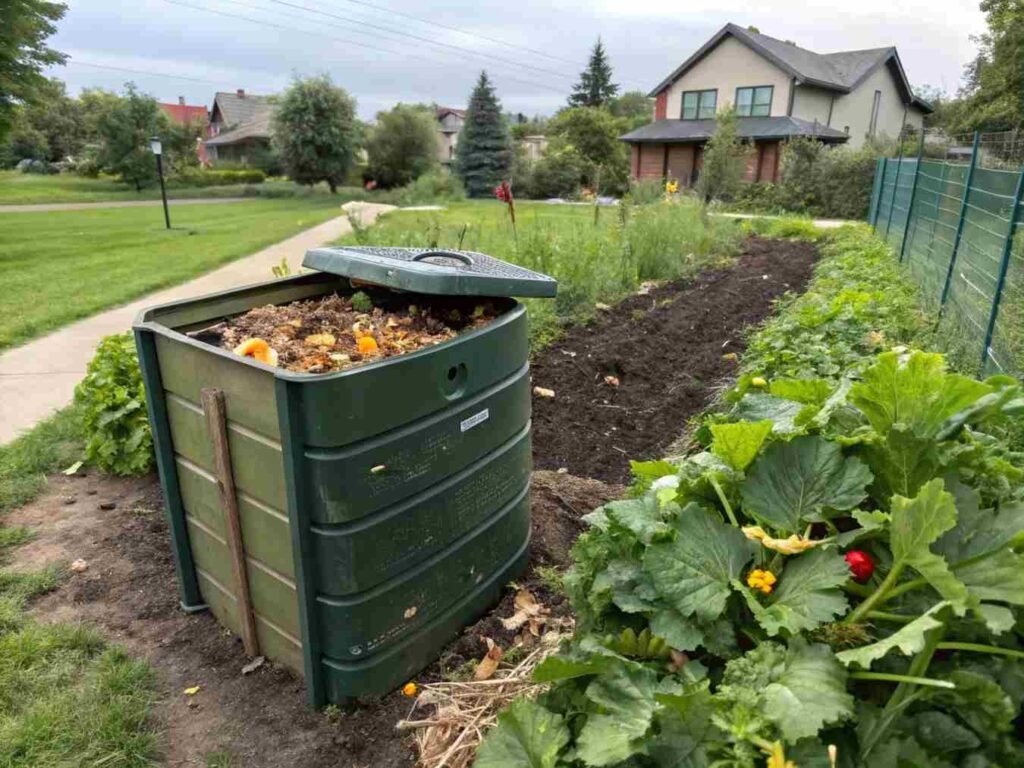
Most certified compostable bags are produced using PLA and PBAT compostable materials. PLA (polylactic acid) is a plant-based polymer derived from renewable resources such as corn starch or sugarcane, while PBAT provides flexibility and durability for waste bags.
To better understand how PLA works in compostable plastics, see our guide to PLA compostable materials.
The two most common materials are:
PLA (Polylactic Acid)
PLA is a plant-based polymer typically derived from renewable resources such as corn starch or sugarcane. It provides structure and rigidity in compostable plastics.
PBAT (Polybutylene Adipate Terephthalate)
PBAT is a flexible biodegradable polymer that improves the strength and elasticity of compostable bags.
When combined, PLA and PBAT create a material that behaves similarly to conventional plastic while still being capable of breaking down under composting conditions.
To learn more about these materials, see our guide to PLA and PBAT compostable polymers.
How Compostable Plastics Break Down
The decomposition of compostable plastics occurs through microbial activity.
During composting, microorganisms such as bacteria and fungi break down the polymer structure of compostable materials. This biological process converts the plastic into carbon dioxide, water, and organic matter.
Several environmental conditions must be present for this process to occur efficiently:
- temperatures between 55–70°C
- consistent moisture levels
- adequate oxygen
- active microbial populations
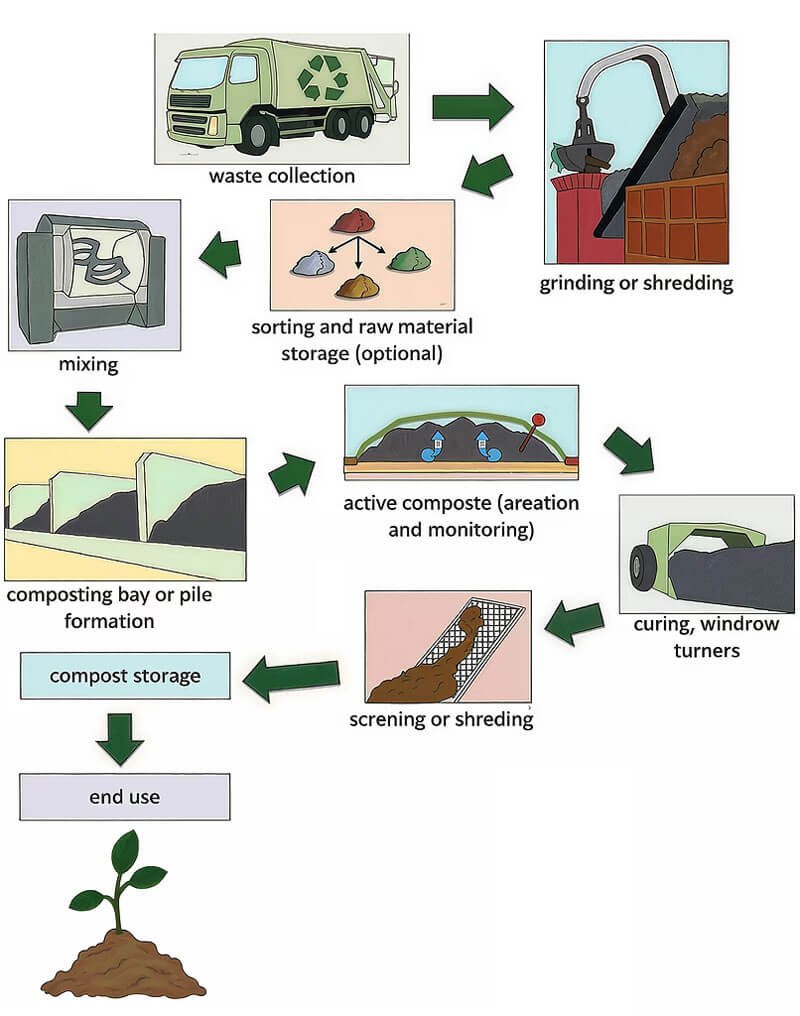
These conditions are typically found in industrial composting facilities, where waste streams are carefully managed.
Without these conditions, compostable plastics may break down very slowly or remain partially intact.
Industrial Composting vs Home Composting
Most compostable plastics are designed to break down in controlled industrial composting environments where temperature, humidity, and microbial activity are carefully managed.
To understand how these facilities operate, read our article explaining industrial composting process.
Industrial Composting
Industrial composting facilities maintain controlled conditions that accelerate decomposition. These systems regulate temperature, moisture, and airflow to support microbial activity.
Certified compostable products are generally designed to break down in these environments.
Home Composting
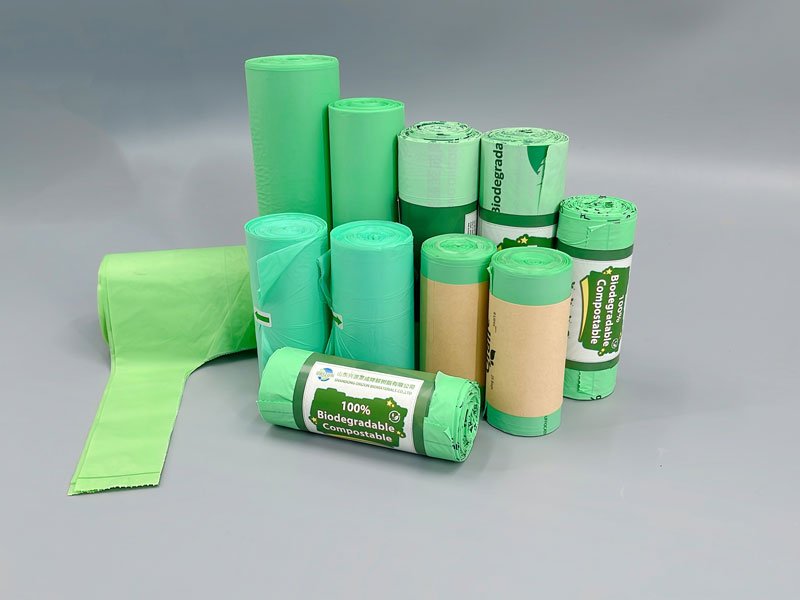
Home compost piles typically operate at lower temperatures and with less consistent microbial activity. As a result, many compostable plastics that meet industrial standards may not fully break down in backyard compost systems.
Some products are specifically certified for home composting, but these materials must meet more demanding requirements.
Understanding this difference helps explain why some compostable bags appear to “fail” when disposed of incorrectly.
Why Some Compostable Bags Fail to Decompose
In many cases, compostable bags do not decompose properly because they are disposed of in the wrong waste stream.
Common reasons include:
Landfill Disposal
Landfills lack oxygen and active microbial environments, which significantly slows decomposition.
Incorrect Composting Conditions
If compost temperatures are too low or microbial activity is insufficient, compostable plastics may only fragment rather than fully biodegrade.
Lack of Certification
Products marketed as “biodegradable” or “degradable” may not meet compostable standards and can leave behind microplastic residues.
These issues contribute to consumer skepticism and confusion about compostable packaging.
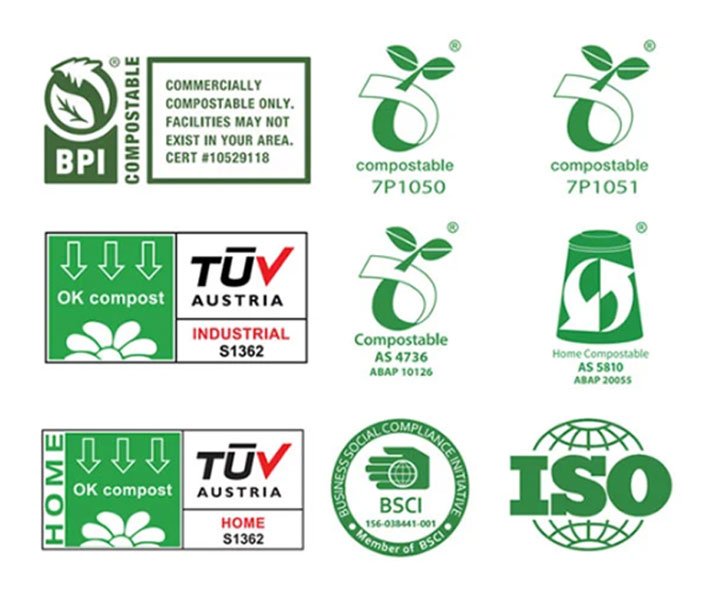
How Certification Proves Compostability
Certification is one of the most reliable ways to verify whether a compostable product meets environmental standards. Independent organizations test materials to ensure they fully break down under composting conditions.
Learn more about compostable certification standards and how they help prevent misleading environmental claims.
The most widely recognized compostable standards include:
EN 13432 (Europe)
This standard requires materials to disintegrate and biodegrade within industrial composting environments while leaving no toxic residue.
ASTM D6400 (United States)
ASTM D6400 specifies performance requirements for compostable plastics used in packaging and waste bags.
BPI Certification
The Biodegradable Products Institute verifies that products meet ASTM compostability standards.
OK Compost Certification
Issued by TÜV Austria, this certification distinguishes between industrial compostable and home compostable materials.
Certification marks provide buyers and waste management systems with confidence that compostable materials meet strict environmental criteria.
How Long Do Compostable Bags Take to Decompose?
Under ideal industrial composting conditions, certified compostable bags typically break down within 3 to 6 months.
The timeline depends on factors such as:
- composting temperature
- microbial activity
- material composition
- thickness of the film
In contrast, conventional plastic bags can persist in the environment for hundreds of years, gradually breaking into microplastics that accumulate in soil and water systems.
Because compostable materials are designed to biodegrade completely, they offer a potential pathway for reducing long-term plastic pollution when used within appropriate waste management systems.

FAQ
Are compostable bags really compostable?
Yes, certified compostable bags can fully break down into natural elements under controlled composting conditions such as those found in industrial composting facilities.
Do compostable bags break down in landfills?
Most compostable bags do not decompose effectively in landfills due to the lack of oxygen and microbial activity.
Are compostable bags biodegradable?
Compostable plastics are a specific type of biodegradable material that must meet strict standards regarding decomposition time and environmental safety.
How long do compostable bags take to decompose?
In industrial composting environments, certified compostable bags usually decompose within 90 to 180 days.
Understanding compostable plastics requires knowledge of materials, certification systems, and waste infrastructure. When these three factors work together, compostable bags can provide a practical alternative to traditional plastics.
For more insights into compostable packaging materials and environmental standards, explore our materials and composting guides.
Conclusion
Compostable bags are not a perfect solution, but they represent an important step toward reducing plastic waste when used within appropriate waste management systems.
The key factors that determine whether compostable bags truly work include the materials used, the composting environment, and compliance with recognized certification standards.
When properly designed and disposed of in suitable composting systems, certified compostable bags can break down into natural elements without leaving harmful residues.
CTA
About ORIZON
ORIZON is a compostable packaging manufacturer with 16 years of production experience, operating a 20,000 m² factory and 16 automated production lines.
Our company develops certified compostable bags for global B2B markets using PLA and PBAT materials.
Explore our compostable bag manufacturing solutions: https://orizonbags.com
[lastupdated]