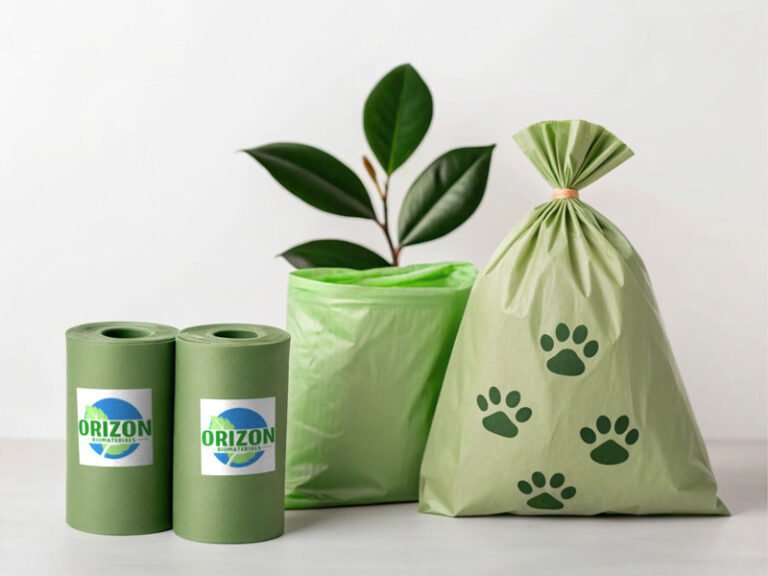
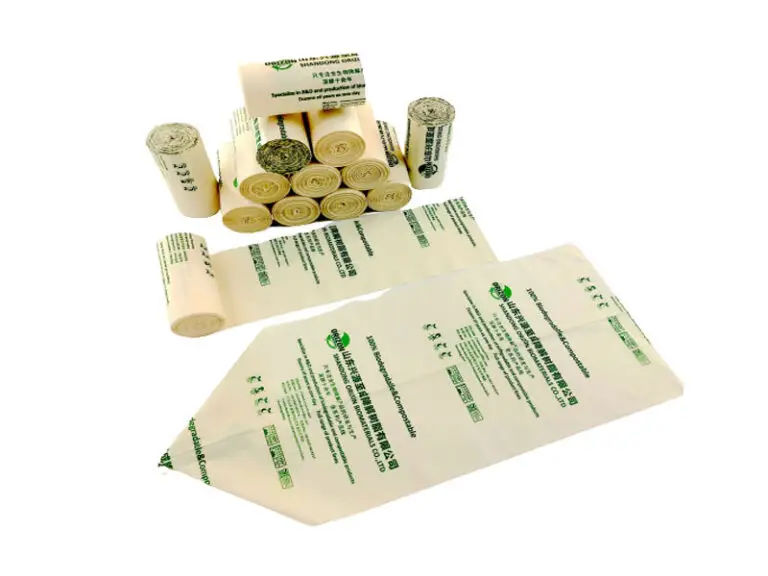
Dog poop bags have become an essential product for responsible pet owners. They help maintain hygiene in public spaces, parks, and neighborhoods while preventing the spread of harmful bacteria.
But have you ever wondered how dog poop bags are manufactured?
Understanding the dog poop bag manufacturing process is useful not only for pet owners but also for retailers, distributors, and eco-friendly brands looking for sustainable packaging solutions.
This guide explains how compostable dog poop bags are produced, from raw materials to the final packaged product.
 earth friendly dog poop bags
Types of Dog Poop Bags
Before exploring the manufacturing process, it is important to understand the main types of dog poop bags available on the market.
Traditional Plastic Dog Poop Bags
Traditional poop bags are usually made from polyethylene plastics such as HDPE or LDPE.
These petroleum-based materials are durable but can remain in the environment for hundreds of years.
Compostable Dog Poop Bags
Compostable dog poop bags are made from plant-based materials such as:
-
PLA (polylactic acid)
-
PBAT (polybutylene adipate terephthalate)
-
corn starch biopolymers
These materials are designed to break down in industrial composting environments.
Many compostable bags are certified under standards such as ASTM D6400 or EN 13432.
Biodegradable Dog Poop Bags
Biodegradable bags are often marketed as eco-friendly, but the term can be misleading.
Some biodegradable plastics may still leave behind microplastics after degradation.
To understand the difference, see Biodegradable vs Compostable.
Dog Poop Bag Manufacturing Process
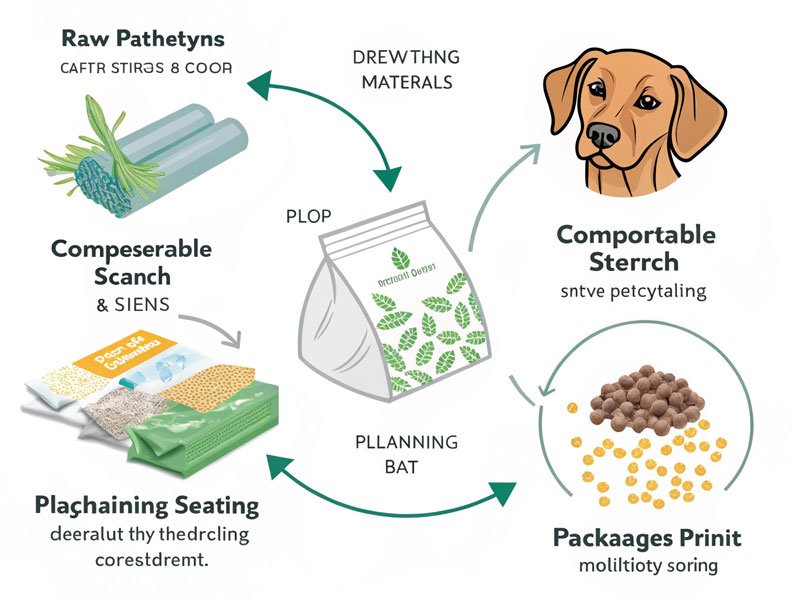
Dog Poop Bag Manufacturing Process
Most compostable dog waste bags are produced using a film-blowing manufacturing process.
The steps below explain how the production process works.
1. Raw Material Preparation
The process begins with biodegradable resin pellets made from materials such as:
-
PLA
-
PBAT
-
plant-based starch blends
These materials are carefully mixed to achieve the desired balance of strength, flexibility, and compostability.
If you want to understand the material differences, see PBAT vs PLA
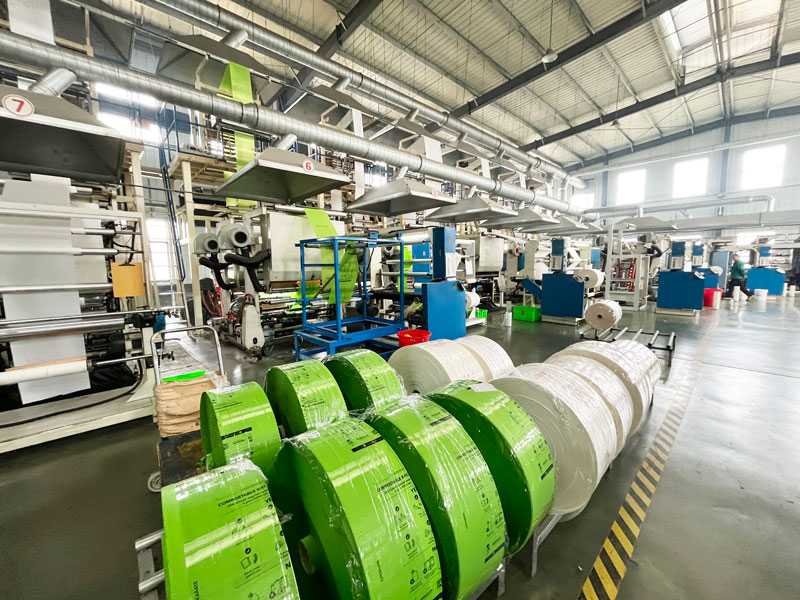
2. Film Blowing (Extrusion Process)
The raw materials are fed into an extrusion machine where they are heated and melted.
The molten material is pushed through a circular die to create a thin plastic film tube.
This process is called blown film extrusion, which is widely used in plastic bag manufacturing.
3. Cooling and Film Formation
As the film exits the die, air is blown into the tube to form a balloon-shaped bubble.
The film is cooled and stabilized to maintain consistent thickness and strength.
At this stage, manufacturers carefully control:
-
film thickness
-
bag width
-
mechanical strength
4. Printing (Branding and Certifications)
Next, the film passes through a printing machine.
Logos, usage instructions, and certification marks are printed using eco-friendly inks.
Many compostable bags include certification logos such as:
-
BPI Certified Compostable
-
TÜV OK Compost
-
Seedling Logo
These certifications confirm compliance with industrial compost standards.
5. Cutting and Heat Sealing
After printing, the film is cut to the desired bag length.
Each bag is heat-sealed along the sides or bottom to create a leak-proof structure.
Typical dog poop bag sizes range from 9 to 13 inches.
Some bags also include perforations so they can easily tear from the roll.
6. Rolling and Packaging
The finished bags are rolled into compact rolls, usually containing 15 bags per roll.
The rolls are then packaged in:
-
cardboard boxes
-
kraft paper packaging
-
retail-ready cartons
Eco-friendly brands often use recyclable or compostable packaging materials.
7. Quality Control and Testing
Before shipment, manufacturers perform quality inspections to ensure the bags meet required standards.
Typical checks include:
-
seal strength
-
bag thickness
-
leak resistance
-
visual inspection for defects
For compostable bags, additional tests may confirm compliance with industrial compost certification standards.
Learn more in Industrial Compost Certification.
Why Understanding Dog Poop Bag Manufacturing Matters
Understanding how dog poop bags are manufactured helps businesses and consumers make better choices.
Retailers and distributors can select suppliers that use certified compostable materials, while environmentally conscious consumers can choose products that reduce plastic pollution.
Manufacturing transparency also helps prevent misleading environmental claims.
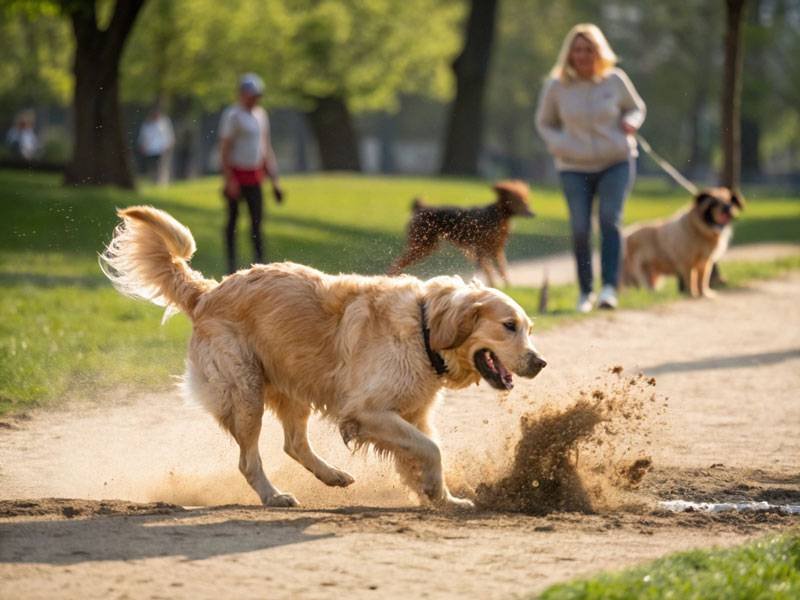 why do dogs try to cover up their poop
Common Uses of Dog Poop Bags
Dog poop bags are designed primarily for pet waste disposal, but they are also used for:
- cat litter cleanup
- baby diaper disposal
- camping waste management
- travel sanitation
Their convenience and portability make them a practical solution for many everyday situations.
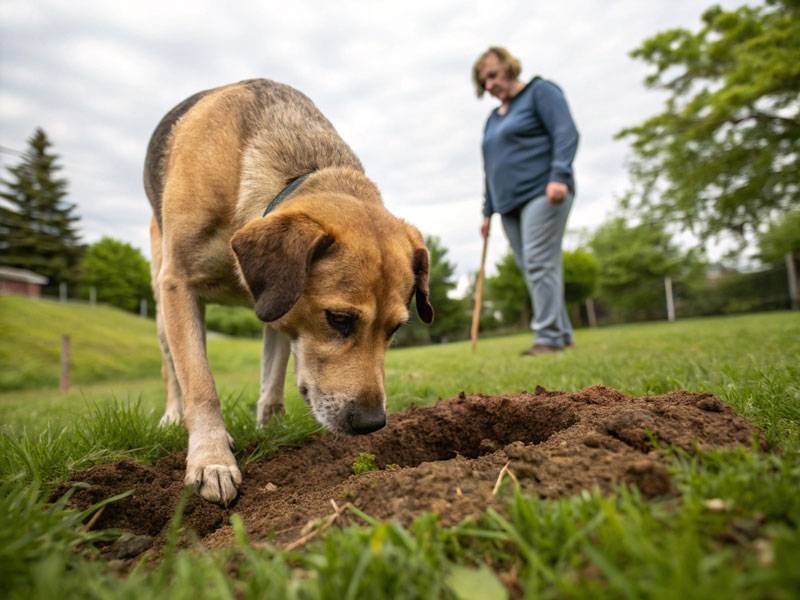 why do dogs cover up their poop
Conclusion
The manufacturing of dog poop bags involves several carefully controlled steps, from raw material preparation to film blowing, printing, sealing, and packaging.
Modern compostable dog poop bags combine material science with sustainable design to create products that are both functional and environmentally responsible.
As demand for eco-friendly products continues to grow, more manufacturers are adopting compostable materials that break down safely in composting systems.
Understanding how dog poop bags are manufactured helps consumers, retailers, and brands choose better solutions for pet waste management and environmental sustainability.