Plastic pollution has become one of the most urgent environmental challenges worldwide. As governments, businesses, and consumers search for sustainable alternatives to conventional plastics, biodegradable materials are gaining increasing attention.
Biodegradable plastics are designed to break down through microbial activity under specific environmental conditions. These materials are being used in packaging, agriculture, food service products, and waste management systems.
The future of biodegradable plastics is shaped by technological innovation, regulatory pressure, and the growing global demand for environmentally responsible materials.
This article explores the future trends, innovations, and opportunities in the biodegradable plastics industry.

What Are Biodegradable Plastics?
Biodegradable plastics are materials that can decompose through the action of microorganisms such as bacteria and fungi.
Unlike traditional plastics that may persist for hundreds of years, biodegradable plastics are designed to break down into natural elements under the right conditions.
Common biodegradable materials include:
• PLA (polylactic acid)
• PBAT biodegradable polymers
• starch-based bioplastics
• cellulose-based materials
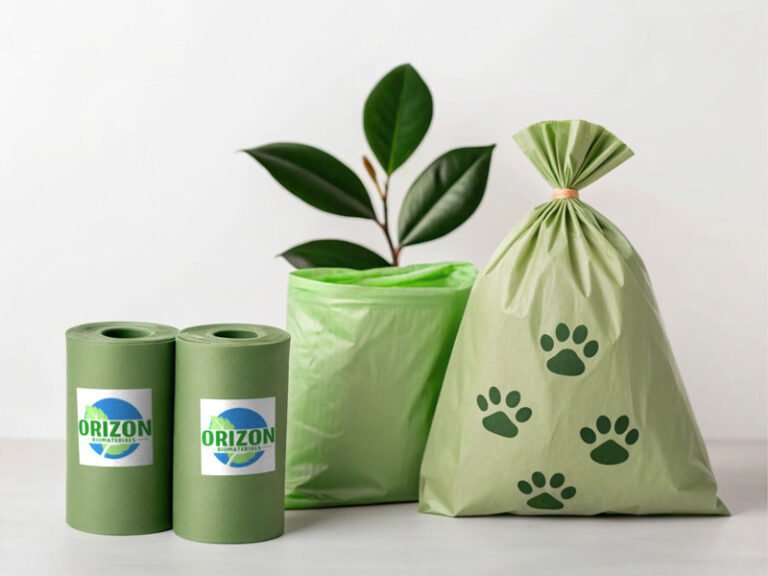
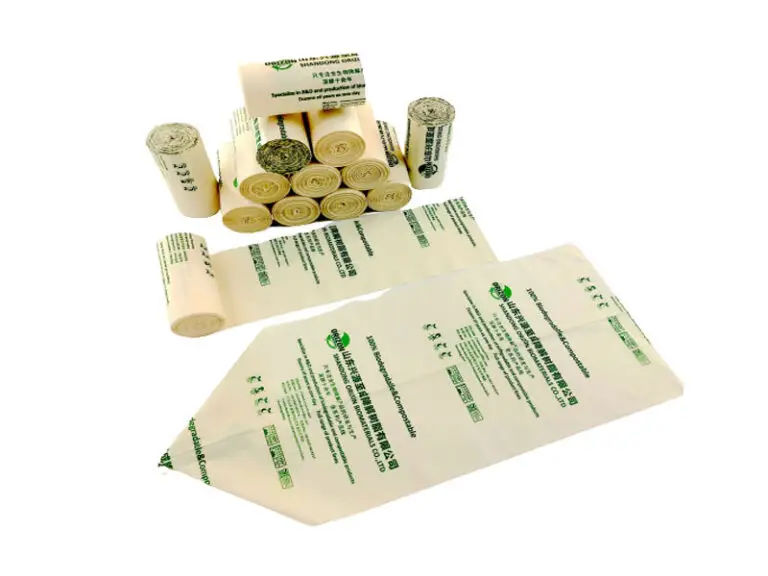
Many compostable packaging products are made using these materials.
Learn more about what compostable bags are made of.
Market Growth of Biodegradable Plastics
The global biodegradable plastics market has grown significantly in recent years.
Several factors are contributing to this growth:
• increasing environmental regulations
• plastic reduction policies
• rising consumer awareness
• corporate sustainability commitments
Many countries have introduced regulations to reduce single-use plastics, encouraging the adoption of biodegradable and compostable materials.
For example, compostable packaging is expanding in waste management and retail sectors.
See the related market analysis in compostable packaging market.
Technological Innovation in Bioplastics
Technological advancements are playing a major role in improving the performance of biodegradable plastics.
Researchers and manufacturers are developing new materials that provide:
• improved mechanical strength
• better moisture resistance
• enhanced compostability
• reduced production costs
Innovations in polymer science are helping biodegradable plastics become more competitive with conventional plastics.
Expanding Applications
Biodegradable plastics are now used in many industries.
Sustainable Packaging
Packaging remains the largest application for biodegradable plastics. Compostable bags, food containers, and flexible packaging are widely used in sustainable packaging systems.
Organic Waste Management
Compostable bags help collect organic waste and allow it to be processed in composting facilities.
These bags can be used in municipal waste collection programs and food waste systems.
Agriculture
Biodegradable plastics are also used in agricultural films and plant protection materials that can break down in soil.
Regulatory Influence
Government regulations are one of the strongest drivers of biodegradable plastic adoption.
Many countries have introduced policies such as:
• plastic bag bans
• packaging waste regulations
• extended producer responsibility programs
These policies encourage the transition from conventional plastic packaging to biodegradable alternatives.
To ensure environmental safety, many products must comply with certification standards such as ASTM D6400 or EN 13432.
Challenges Facing Biodegradable Plastics
Despite rapid growth, biodegradable plastics still face several challenges.
These include:
• higher production costs compared with traditional plastics
• limited composting infrastructure in some regions
• confusion between biodegradable and compostable materials
• recycling system compatibility
Overcoming these challenges will require continued innovation and improved waste management infrastructure.
The Role of Compostable Packaging
Compostable packaging represents one of the most promising applications of biodegradable plastics.
Products such as compostable garbage bags, food waste liners, and biodegradable packaging films help reduce plastic pollution and improve organic waste processing.
Understanding the manufacturing process behind these products is important for evaluating their environmental impact.
Learn more about compostable bag production process.
Future Outlook
The long-term outlook for biodegradable plastics is highly promising.
Several developments are expected to shape the future of the industry:
• expansion of composting infrastructure
• increasing government regulation on plastics
• advances in biodegradable polymer technology
• growing corporate investment in sustainable materials
As sustainability becomes a central focus for global industries, biodegradable plastics are expected to play an increasingly important role in the transition toward circular economies.
Conclusion
Biodegradable plastics represent an important step toward reducing plastic pollution and developing more sustainable material systems.
Although challenges remain, technological innovation, regulatory support, and growing environmental awareness are driving the rapid expansion of biodegradable materials.
The future of biodegradable plastics will depend on continued innovation, improved infrastructure, and collaboration across industries to create truly sustainable packaging solutions.
FAQ
What is the future of biodegradable plastics?
The future of biodegradable plastics is expected to grow rapidly as governments introduce stricter environmental regulations and businesses adopt sustainable packaging materials.
Are biodegradable plastics the same as compostable plastics?
No. Biodegradable plastics break down over time, while compostable plastics must meet specific standards to ensure safe decomposition in composting environments.
Why are biodegradable plastics becoming popular?
They help reduce plastic pollution and support sustainability initiatives by providing alternatives to conventional petroleum-based plastics.
What industries use biodegradable plastics?
Biodegradable plastics are used in packaging, agriculture, food service products, and waste management systems.