As global awareness of environmental issues continues to grow, sustainable packaging has become a key focus for businesses, governments, and consumers.
Companies across many industries are looking for packaging solutions that reduce environmental impact while maintaining product protection and supply chain efficiency.
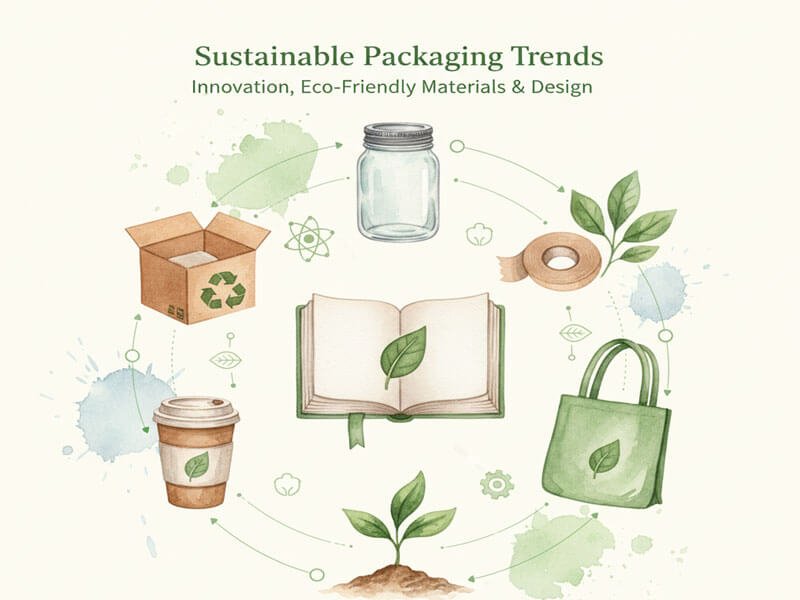
Several sustainable packaging trends are shaping the future of the packaging industry, including compostable materials, reusable packaging systems, and innovative bio-based plastics.
This guide explores the most important trends influencing sustainable packaging today.
Shift Toward Compostable Packaging
One of the fastest-growing trends in sustainable packaging is the adoption of compostable materials.
Compostable packaging is designed to break down into natural elements such as carbon dioxide, water, and biomass in composting environments.
Materials commonly used in compostable packaging include:
• PLA (polylactic acid)
• PBAT (polybutylene adipate terephthalate)
• plant-based starch blends
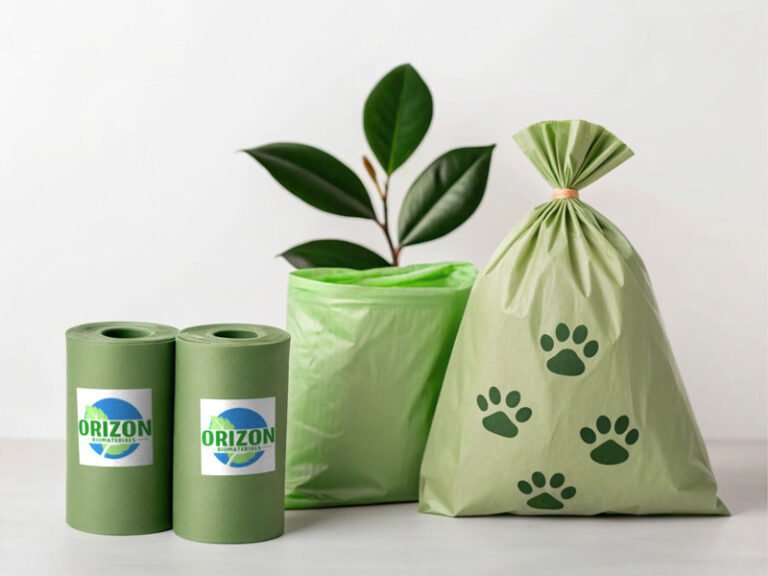
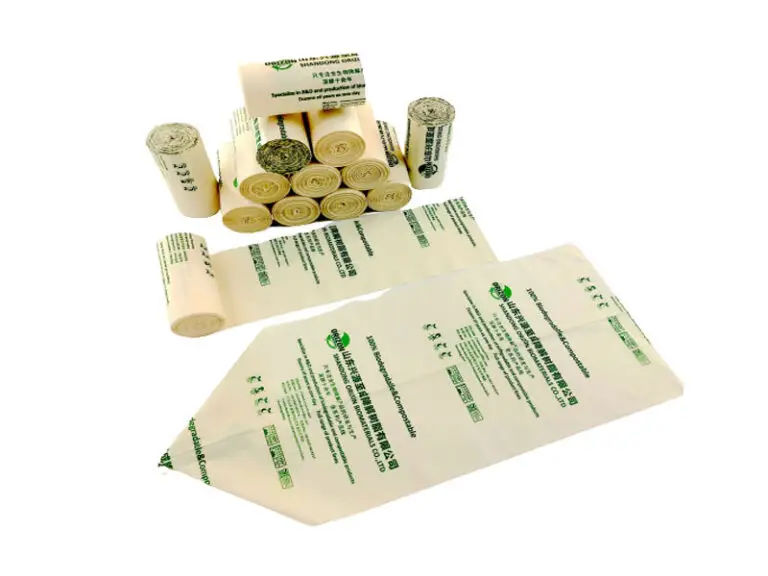
These materials are widely used in products such as garbage bags, food waste liners, and compostable shopping bags.
Learn more about what compostable bags are made of.
Reduction of Single-Use Plastics
Governments around the world are introducing regulations to reduce single-use plastic products.
These policies are encouraging businesses to adopt alternative packaging materials and more sustainable product designs.
Many companies are exploring plastic pollution alternatives such as compostable packaging, paper packaging, and reusable systems.
Read more about plastic alternatives.
Growth of Bio-Based Materials
Bio-based plastics are produced from renewable resources such as corn, sugarcane, and other plant materials.
These materials can reduce dependence on fossil fuels and lower the carbon footprint of packaging production.
Examples of bio-based materials include:
• PLA bioplastics
• starch-based polymers
• cellulose-based packaging materials
Bio-based materials are becoming increasingly popular in sustainable packaging solutions.
Reusable Packaging Systems
Reusable packaging is another major trend in sustainability.
Instead of single-use packaging, reusable systems allow packaging to be used multiple times.
Examples include:
• reusable shipping containers
• refillable consumer packaging
• returnable delivery packaging
Reusable systems help reduce packaging waste and support circular economy initiatives.
Increased Focus on Certification and Transparency
As sustainable packaging claims become more common, companies are placing greater emphasis on certification and transparency.
Recognized compostable certification standards include:
• ASTM D6400
• EN 13432
• BPI certification
• AS4736 and AS5810
These certifications help ensure that packaging materials meet verified environmental performance standards.
Packaging Design for Circular Economy
The circular economy concept is influencing how packaging is designed.
Instead of focusing only on disposal, companies are designing packaging that can be:
• reused
• recycled
• composted
Circular packaging design helps minimize waste and supports long-term sustainability goals.
Consumer Demand for Eco-Friendly Packaging
Consumers are increasingly choosing brands that prioritize sustainability.
Many shoppers prefer products that use environmentally friendly packaging materials.
As a result, companies are investing in packaging solutions that demonstrate clear environmental benefits.
This shift in consumer behavior is driving innovation in sustainable packaging technologies.
The Future of Sustainable Packaging
Sustainable packaging innovation continues to evolve as new materials and technologies emerge.
Future developments may include:
• advanced biodegradable polymers
• improved recycling systems
• smarter packaging materials
• greater integration of circular economy models
As environmental awareness continues to grow, sustainable packaging will play an increasingly important role in global supply chains.
Conclusion
Sustainable packaging trends are transforming the packaging industry.
Compostable materials, plastic alternatives, bio-based polymers, reusable systems, and certification standards are all shaping the future of environmentally responsible packaging.
Businesses that adopt sustainable packaging solutions can reduce environmental impact while responding to changing consumer expectations and regulatory requirements.
FAQ
What are the latest sustainable packaging trends?
Key trends include compostable packaging materials, plastic reduction strategies, reusable packaging systems, and the use of bio-based plastics.
Why is sustainable packaging becoming popular?
Sustainable packaging is growing in popularity due to environmental concerns, plastic reduction regulations, and increased consumer demand for eco-friendly products.
What materials are used in sustainable packaging?
Common materials include compostable bioplastics such as PLA and PBAT, paper packaging, reusable containers, and plant-based polymers.
Will sustainable packaging replace plastic?
Sustainable packaging is expected to reduce reliance on conventional plastics, but multiple material solutions will likely coexist depending on application requirements.