Plastic pollution has become one of the most serious environmental challenges worldwide. Millions of tons of plastic waste enter oceans, landfills, and ecosystems every year.
Traditional plastics can take decades or even centuries to break down, creating long-term environmental problems.
As a result, governments, businesses, and consumers are actively searching for plastic pollution alternatives that can reduce environmental impact while maintaining product performance.
This guide explores several sustainable alternatives to conventional plastic materials and explains how they help address plastic pollution.
Why Alternatives to Plastic Are Needed
Conventional plastics are typically made from petroleum-based materials such as polyethylene and polypropylene.
While these materials are inexpensive and durable, they also create significant environmental challenges.
Key problems associated with plastic pollution include:
• long degradation times
• microplastic contamination
• landfill accumulation
• marine ecosystem damage
These challenges have accelerated the development of environmentally friendly packaging materials.
Compostable Materials
Compostable materials are one of the most promising alternatives to traditional plastics.
These materials are designed to break down into natural components such as water, carbon dioxide, and biomass in composting environments.
Common compostable polymers include:
• PLA (polylactic acid)
• PBAT (polybutylene adipate terephthalate)
• starch-based biopolymers
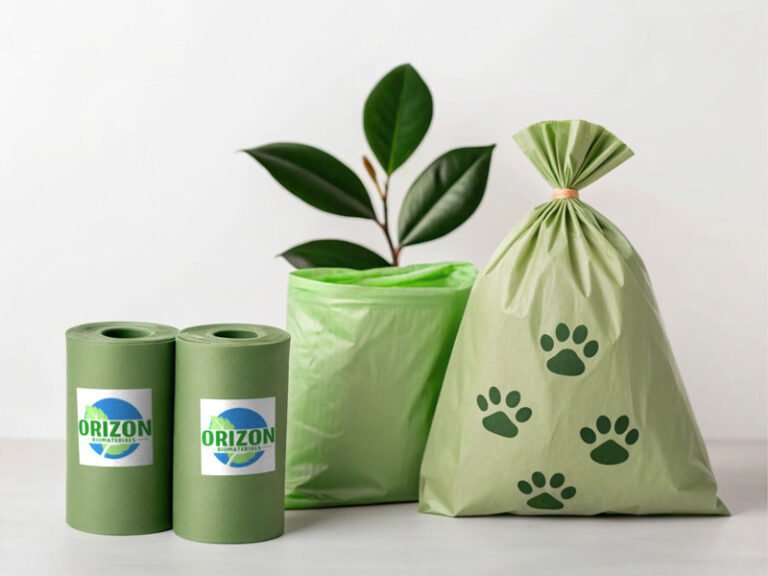
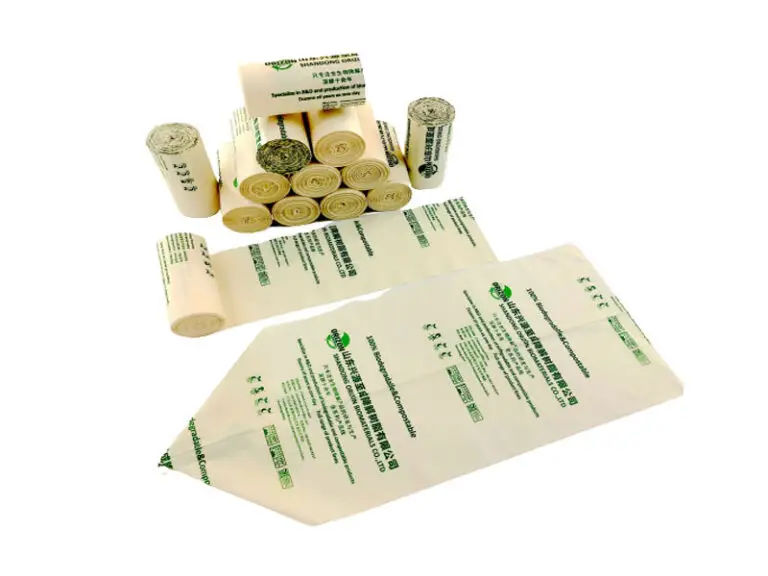
These materials are widely used in compostable packaging products such as garbage bags, food waste liners, and shopping bags.
Learn more about what compostable bags are made of.
Biodegradable Plastics
Biodegradable plastics are materials that can break down through microbial activity.
Unlike conventional plastics, biodegradable materials are designed to degrade under specific environmental conditions.
However, it is important to understand that biodegradable does not always mean compostable.
Certified compostable materials must meet recognized standards such as ASTM D6400 or EN 13432 to ensure proper environmental performance.
Paper-Based Packaging
Paper and cardboard are among the most widely used alternatives to plastic packaging.
These materials are renewable and recyclable, making them attractive options for many applications.
Paper packaging is commonly used for:
• shopping bags
• food containers
• retail packaging
• shipping materials
However, paper products may require coatings or liners to improve moisture resistance, which can affect recyclability.
Reusable Packaging
Reusable packaging systems reduce plastic waste by allowing products to be used multiple times.
Examples include:
• reusable shopping bags
• refillable containers
• returnable packaging systems
Reusable products help reduce the overall demand for single-use plastic packaging.
Plant-Based Bioplastics
Plant-based plastics are produced from renewable biological sources such as corn, sugarcane, or cassava.
These materials can reduce dependence on fossil fuels and lower the carbon footprint of packaging products.
Plant-based plastics are increasingly used in:
• compostable packaging
• food containers
• disposable cutlery
• agricultural films
Many compostable bags are produced using blends of plant-based materials.
To understand the manufacturing process, see compostable bag production process.
Challenges of Plastic Alternatives
Although sustainable materials provide environmental benefits, they also present several challenges.
These may include:
• higher production costs
• infrastructure limitations for composting
• performance differences compared to traditional plastics
Despite these challenges, innovation in sustainable materials continues to improve product performance and reduce costs.
The Future of Sustainable Packaging
As governments introduce stricter environmental regulations and consumers demand eco-friendly products, the adoption of plastic alternatives is expected to grow rapidly.
Technological advances in biodegradable materials, compostable packaging, and recycling systems will continue to expand the range of sustainable solutions available.
Businesses that adopt environmentally responsible packaging solutions can reduce environmental impact while meeting evolving market expectations.
Conclusion
Plastic pollution has created an urgent need for sustainable alternatives to traditional plastics.
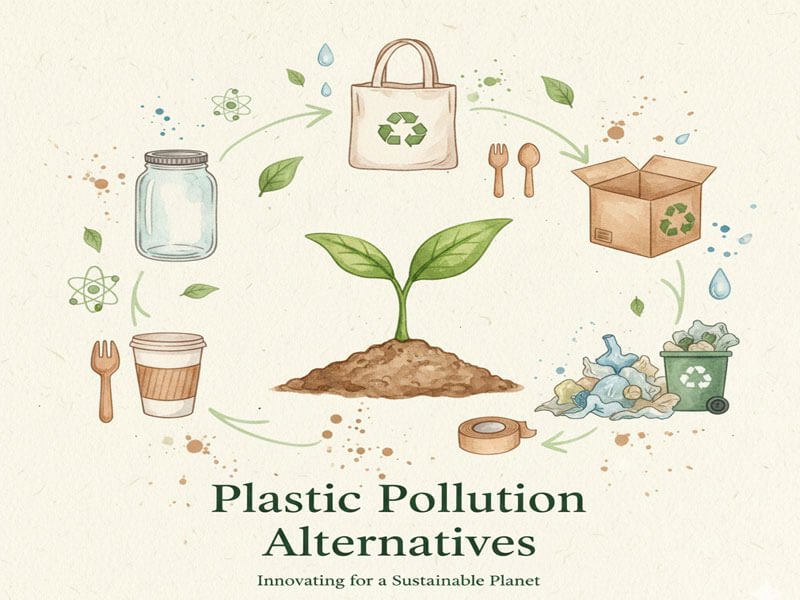
Compostable materials, biodegradable polymers, paper packaging, reusable systems, and plant-based plastics all provide promising solutions for reducing environmental impact.
Understanding these alternatives helps businesses and consumers make more responsible packaging choices and contribute to a more sustainable future.
FAQ
What are the best alternatives to plastic?
Common alternatives include compostable materials, biodegradable plastics, paper packaging, reusable containers, and plant-based bioplastics.
Are compostable materials better than plastic?
Compostable materials can reduce environmental impact when properly processed in composting systems, but their effectiveness depends on local waste management infrastructure.
What materials can replace single-use plastic?
Materials such as paper, compostable bioplastics, reusable containers, and plant-based polymers are commonly used to replace single-use plastics.
Are biodegradable plastics the same as compostable plastics?
No. Biodegradable plastics break down over time, while compostable plastics must meet specific certification standards to ensure safe decomposition in composting environments.