As demand for sustainable packaging grows, more products are being marketed as home compostable. However, not all materials labeled “compostable” can actually break down in a backyard compost system.
Home compost environments are very different from industrial composting facilities. Temperatures are lower, microbial activity is less controlled, and decomposition generally occurs more slowly.
To ensure that a material can truly break down in these conditions, several home compost certification standards have been developed.
This guide explains what home compost certification means, how the testing works, and which standards verify that a product can safely degrade in home compost systems.
For an overview of global certification systems, see our guide to compostable certifications.
What Is Home Compost Certification?
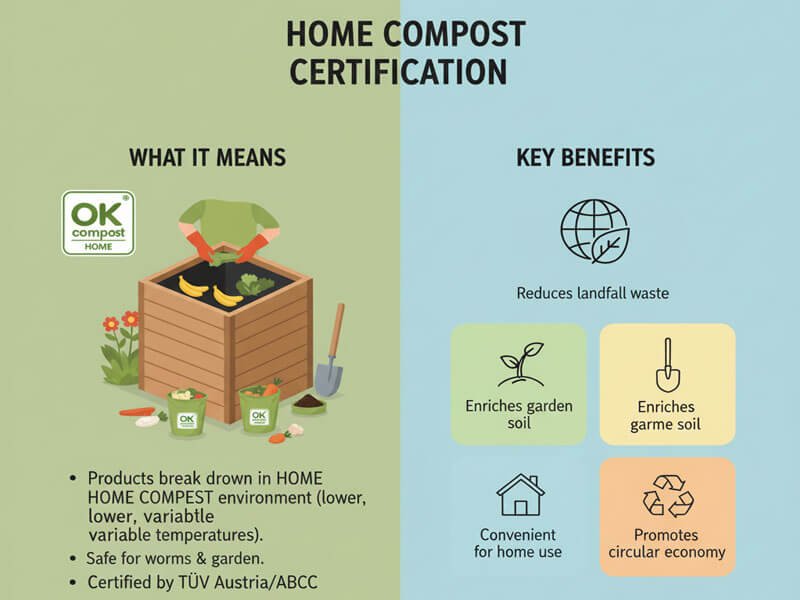
Home compost certification verifies that a material can biodegrade and disintegrate in a backyard compost environment without harming soil or plants.
Unlike industrial composting systems, home compost piles typically operate at lower temperatures and have less consistent moisture and oxygen levels.
For this reason, home compostable materials must meet stricter requirements to ensure they can still break down effectively.
A certified home compostable product must:
• biodegrade under low-temperature compost conditions
• disintegrate during composting
• leave no harmful residues in the soil
• support healthy plant growth after composting
These requirements ensure that compostable plastics behave similarly to natural organic waste such as food scraps or garden waste.
Why Home Compost Certification Matters
Many products on the market claim to be biodegradable or environmentally friendly. However, without proper certification, these claims may be misleading.
Home compost certification helps ensure:
Reliable degradation
Certified products are tested to confirm that they break down under typical backyard compost conditions.
Environmental safety
Testing verifies that the resulting compost is safe for plant growth and does not contain harmful residues.
Consumer confidence
Certification labels allow consumers to identify packaging that truly meets environmental standards.
Major Home Compost Certification Standards
Several international certification systems verify whether a product can be safely composted at home.
AS5810 (Australia)
The AS5810 standard is the Australian certification for plastics suitable for home composting.
Products certified under AS5810 must demonstrate biodegradation, disintegration, and environmental safety in home compost conditions.
Learn more in our guide to AS5810 compostable certification
OK Compost HOME (Europe)
The OK Compost HOME certification, issued by TÜV Austria, is widely recognized in Europe and internationally.
This certification confirms that materials can break down in home compost systems where temperatures may be as low as 20–30°C.
For more details see OK Compost certification.
Home Compost vs Industrial Compost Certification
Home compost certification is different from industrial compost certification, which applies to commercial composting facilities operating at higher temperatures.
| Feature | Home Compost Certification | Industrial Compost Certification |
|---|---|---|
| Compost environment | Backyard compost | Industrial compost facility |
| Typical temperature | 20–30°C | 55–60°C |
| Degradation speed | Slower | Faster |
| Example standards | AS5810, OK Compost HOME | ASTM D6400, EN 13432 |
Industrial compost certification standards include ASTM D6400 and EN 13432.
For a full comparison see AS4736 vs AS5810
Materials Used in Home Compostable Plastics
Home compostable packaging is usually produced using biodegradable polymer blends designed to break down naturally.
Common materials include:
• PLA (polylactic acid)
• PBAT (polybutylene adipate terephthalate)
• plant-based starch polymers
These materials are often blended to achieve both strength and compostability.
To understand material differences, see PBAT vs PLA
Typical Products with Home Compost Certification
Home compost certification is commonly used for packaging designed to be disposed of with household organic waste.
Examples include:
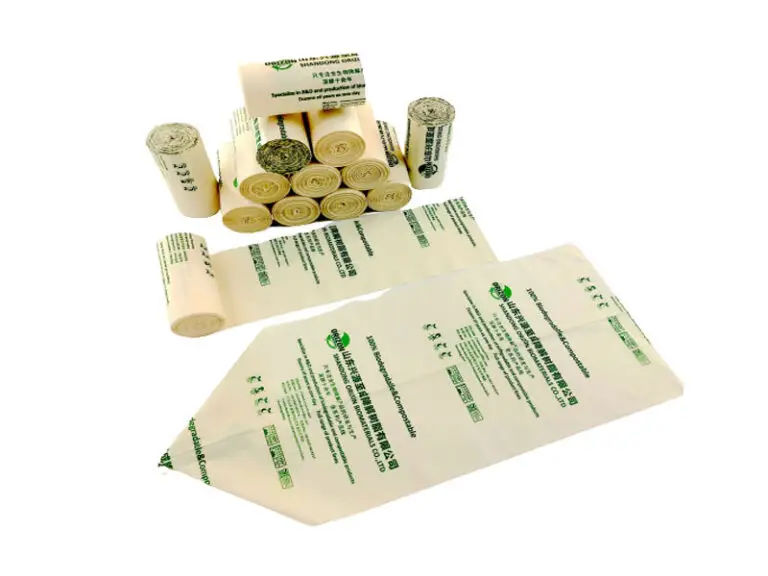
• compostable kitchen waste bags
• compostable food packaging
• compostable produce bags
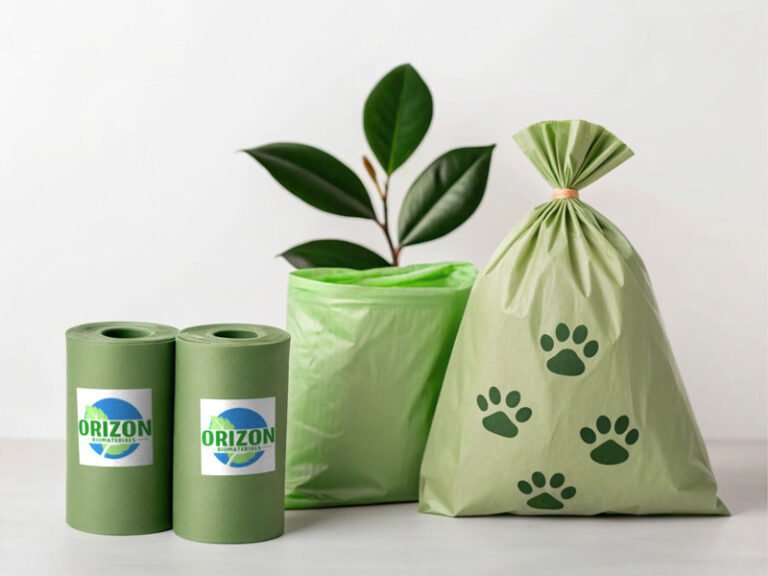
• compostable dog waste bags
• compostable shopping bags
For commercial applications, see our compostable garbage bags.
How to Identify Home Compostable Products
Consumers and buyers can identify certified home compostable products by checking certification labels.
Common certification logos include:
• OK Compost HOME logo
• AS5810 certification mark
• TÜV Austria certification labels
These logos confirm that the product has been tested and verified according to recognized compostability standards.
Conclusion
Home compost certification ensures that compostable plastics can safely break down in backyard compost systems.
By verifying biodegradation performance, environmental safety, and compost quality, certification standards help prevent misleading environmental claims and support responsible waste management.
Understanding home compost certification is therefore essential for businesses, consumers, and municipalities seeking sustainable packaging solutions.
FAQ
What is home compost certification?
Home compost certification verifies that a material can biodegrade and disintegrate in a backyard compost system without harming the environment.
What standards certify home compostable plastics?
Common standards include AS5810 in Australia and OK Compost HOME certification issued by TÜV Austria.
Are home compostable plastics different from industrial compostable plastics?
Yes. Home compostable plastics must break down at lower temperatures, while industrial compostable plastics are designed for commercial composting facilities.
Can industrial compostable bags be used in home compost?
Not always. Bags certified only for industrial composting may not degrade efficiently in home compost environments.