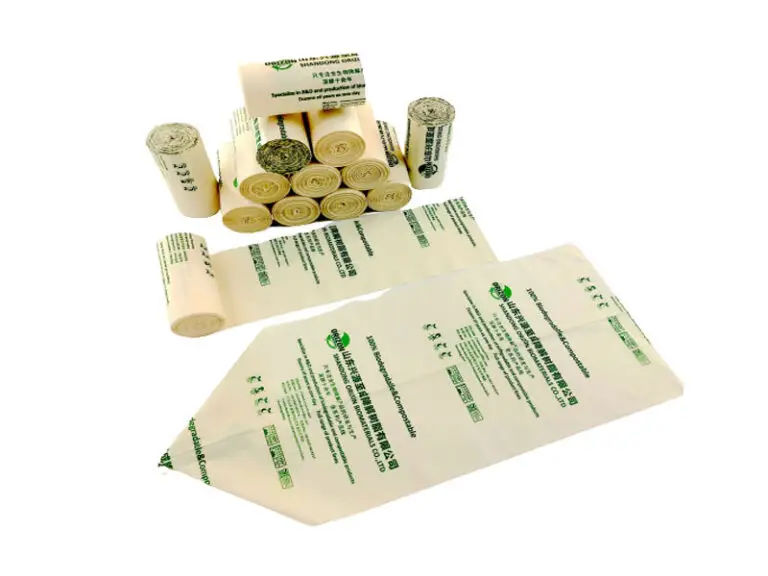
As demand for sustainable packaging grows, more products are labeled compostable. However, not all compostable claims are reliable.
To prevent misleading environmental claims, several certification systems verify whether products truly break down in composting environments.
One of the most recognized certifications in North America is BPI Certification.
This certification confirms that a product meets strict compostability standards and can safely decompose in industrial composting facilities.
For an overview of global certification systems, see our guide to compostable certifications.
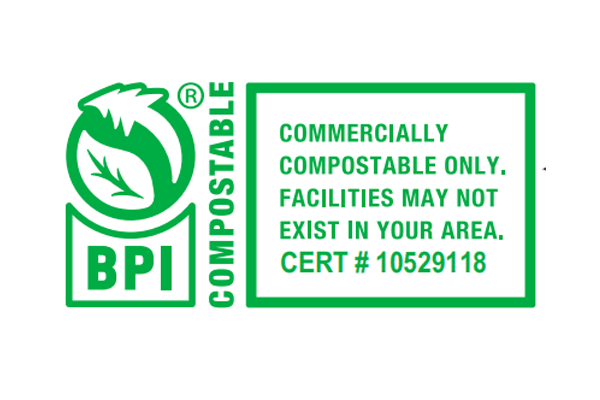
What Is BPI Certification?
BPI Certification is a third-party verification program managed by the Biodegradable Products Institute (BPI) in the United States.
The certification confirms that compostable plastic products meet recognized compostability standards such as ASTM D6400 or ASTM D6868.
Products certified by BPI are tested to ensure they:
• biodegrade in composting environments
• physically disintegrate during composting
• leave no harmful residues in finished compost
If a product passes these requirements, it can display the BPI Certified Compostable logo, which signals compliance to consumers, retailers, and composting facilities.
What Does “BPI Certified Compostable” Mean?
When a product is labeled BPI Certified Compostable, it means the material has passed independent testing to confirm that it behaves like organic waste during industrial composting.
The certification ensures that the material will:
• break down into carbon dioxide, water, and biomass
• decompose within a defined timeframe
• leave compost safe for plant growth
This certification helps prevent greenwashing, where products claim to be environmentally friendly without meeting verified standards.
How BPI Certification Works
The BPI certification process involves several steps designed to verify compostability through laboratory testing and documentation review.
1. Laboratory Testing
Products must be tested in accredited laboratories to verify compliance with ASTM compostability standards.
Testing includes:
• biodegradation rate
• disintegration during composting
• ecotoxicity testing
2. Documentation Review
Manufacturers must provide detailed material composition information and safety documentation.
3. Certification Approval
If all requirements are met, the product receives approval to use the BPI compostable certification mark.
Certification must be renewed periodically to ensure continued compliance.
BPI Certification Requirements
Products seeking BPI certification must meet several technical requirements.
Biodegradation
The material must convert at least 90% of its carbon into carbon dioxide within 180 days under industrial composting conditions.
Disintegration
During composting, the product must physically break down so that no visible fragments remain in the finished compost.
Environmental Safety
Compost produced from the material must be safe for plant growth and free of toxic residues.These requirements are based on the ASTM D6400 standard , which defines how compostable plastics should behave during composting.
BPI Certification vs ASTM D6400
Many people confuse BPI certification with ASTM D6400, but they serve different roles.
| Aspect | BPI Certification | ASTM D6400 |
|---|---|---|
| Type | Certification program | Technical standard |
| Region | North America | United States |
| Function | Verifies compliance | Defines testing requirements |
| Use | Product certification | Testing framework |
In other words, ASTM D6400 provides the testing rules, while BPI certification verifies that a product meets those rules.
Products That Use BPI Certification
Many compostable packaging products use BPI certification to demonstrate environmental compliance.
Examples include:
• compostable garbage bags
• compostable shopping bags
• compostable food packaging
• compostable dog waste bags
You can learn more about these products in our guide to compostable garbage bags .
How to Verify BPI Certification
To confirm whether a product is truly BPI certified, buyers should follow several verification steps.
Check the Certification Logo
Look for the official BPI Certified Compostable logo on product packaging.
Verify the Certification Number
BPI provides a public database where certification numbers can be verified.
Request Documentation
Suppliers should be able to provide certification documents and testing reports confirming compliance.
These steps help ensure that compostable products meet recognized environmental standards.
Conclusion
BPI Certification is one of the most important compostability certifications used in North America.
By verifying compliance with ASTM compostability standards, BPI helps ensure that compostable plastics break down safely in industrial composting systems.
For businesses sourcing sustainable packaging, understanding BPI certification is essential when evaluating compostable bags and other eco-friendly materials.
To explore global compostability standards, see our guide to compostable certifications.