PLA and PBAT are two of the most widely used materials in biodegradable plastics and compostable packaging.
Both materials are commonly used to produce compostable bags, food packaging, and biodegradable films. However, they differ significantly in terms of raw materials, flexibility, compostability conditions, and typical applications.
Understanding the differences between PBAT vs PLA helps manufacturers, packaging buyers, and sustainability professionals choose the right material for compostable products.
In this guide, we explain:
- What PLA and PBAT plastics are
- Key differences between PLA and PBAT
- Environmental impact and compostability
- How these materials are used in compostable packaging

What Is PLA Plastic?
PLA (polylactic acid) is a plant-based biodegradable plastic derived from renewable materials such as corn starch or sugarcane.
Because PLA is made from renewable resources, it is considered one of the most widely used bioplastics in sustainable packaging.
PLA has several characteristics:
- derived from renewable plant materials
- rigid and transparent
- compostable under industrial composting conditions
- commonly used in rigid packaging products
Typical applications include:
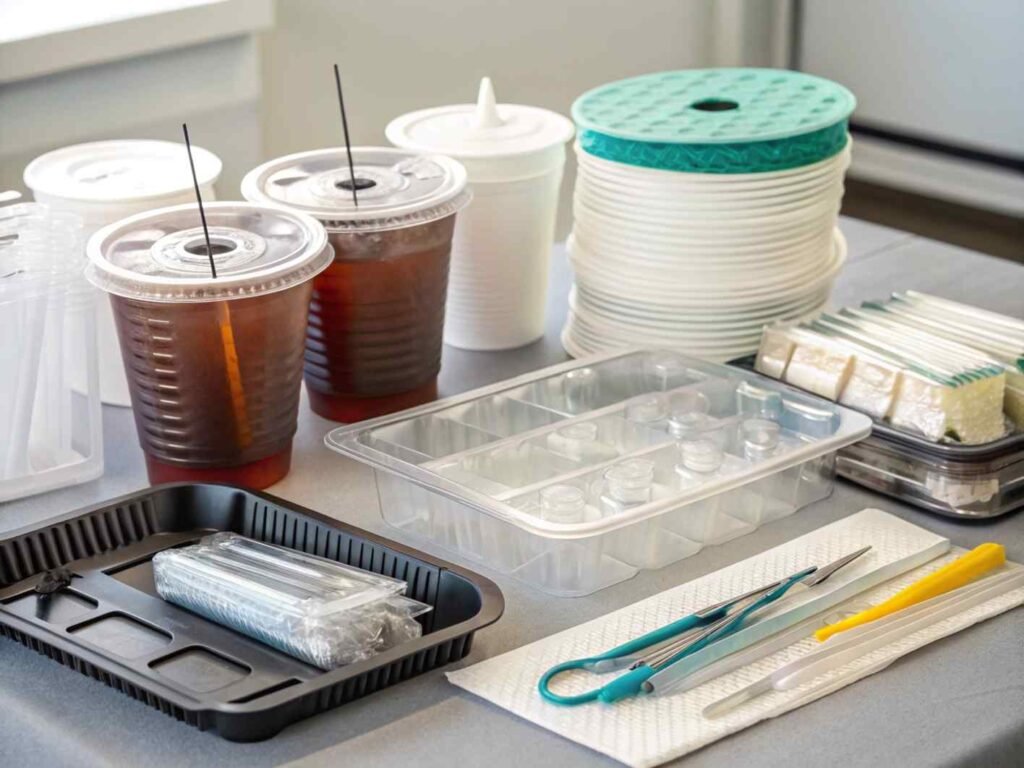
- cold drink cups
- food trays
- transparent packaging
- 3D printing filament
To learn more about the material properties and manufacturing of PLA, see our guide to PLA compostable materials

What Is PBAT Plastic?
PBAT (polybutylene adipate terephthalate) is a biodegradable thermoplastic polyester widely used in compostable plastics.
Unlike PLA, PBAT is typically produced from fossil-based raw materials. However, it is designed to biodegrade under composting conditions.
PBAT has different properties compared with PLA:
- highly flexible and stretchable
- suitable for film extrusion
- biodegradable under composting conditions
- widely used in flexible plastic products
Common PBAT applications include:
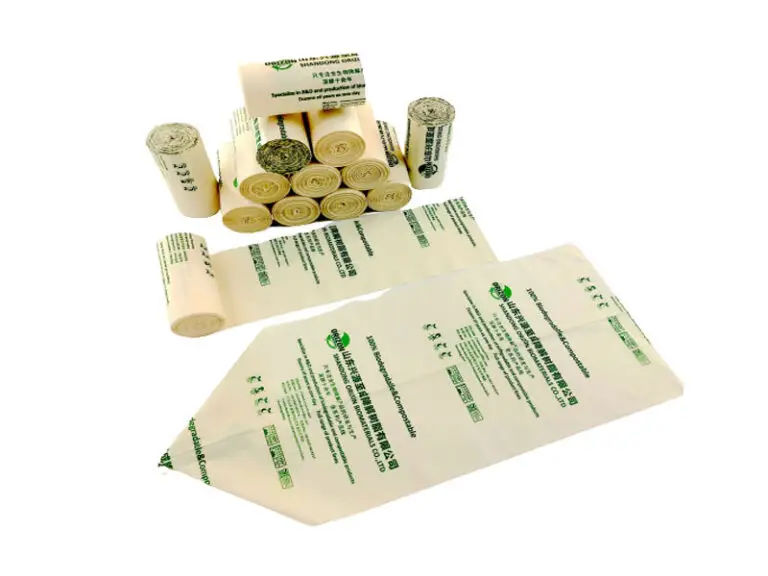
- compostable trash bags
- agricultural mulch films
- food packaging films
- biodegradable shopping bags
For a detailed explanation of the material structure and biodegradation process, see our article on PBAT biodegradable plastic.
PBAT vs PLA: Key Differences
Although PLA and PBAT are both used in biodegradable plastics, they have different material characteristics.
| Property | PLA | PBAT |
|---|---|---|
| Raw material | Plant-based | Fossil-based |
| Flexibility | Rigid / brittle | Highly flexible |
| Transparency | Clear | Opaque |
| Compostability | Industrial composting | Industrial / partial home |
| Typical uses | Cups, trays, rigid packaging | Trash bags, films, flexible packaging |
Because of these differences, PLA and PBAT are often used for different types of packaging products.
PLA is better for rigid products, while PBAT performs better in flexible applications.
Environmental Impact: PLA vs PBAT
Both PLA and PBAT are considered alternatives to traditional plastics because they can break down under composting conditions.
However, their environmental characteristics differ.
PLA advantages
- made from renewable plant materials
- lower dependence on fossil fuels
- lower lifecycle carbon footprint
PBAT advantages
- higher flexibility
- better mechanical performance for films
- compatible with compostable plastic bag production
In most cases, both materials must be processed in controlled composting environments to break down efficiently.
To understand how these facilities operate, read our explanation of industrial composting systems.
PLA and PBAT Blends
In many compostable plastic products, manufacturers combine PLA and PBAT to create blended materials.
This combination improves the performance of biodegradable plastics.
PLA provides:
- rigidity
- structural strength
PBAT provides:
- flexibility
- tear resistance
- improved film performance
Because of this balance, PLA/PBAT blends are widely used in the production of:
- compostable produce bags
- compostable shopping bags
- food waste liners
- biodegradable courier mailers
Which Material Is Better for Packaging?
The choice between PBAT vs PLA depends on the product requirements.
PLA works best for:
- rigid containers
- transparent packaging
- disposable tableware
PBAT works best for:
- flexible films
- biodegradable plastic bags
- packaging that requires stretching or elasticity
For many flexible packaging products, PLA/PBAT blends provide the best performance.
Compostable Packaging Applications
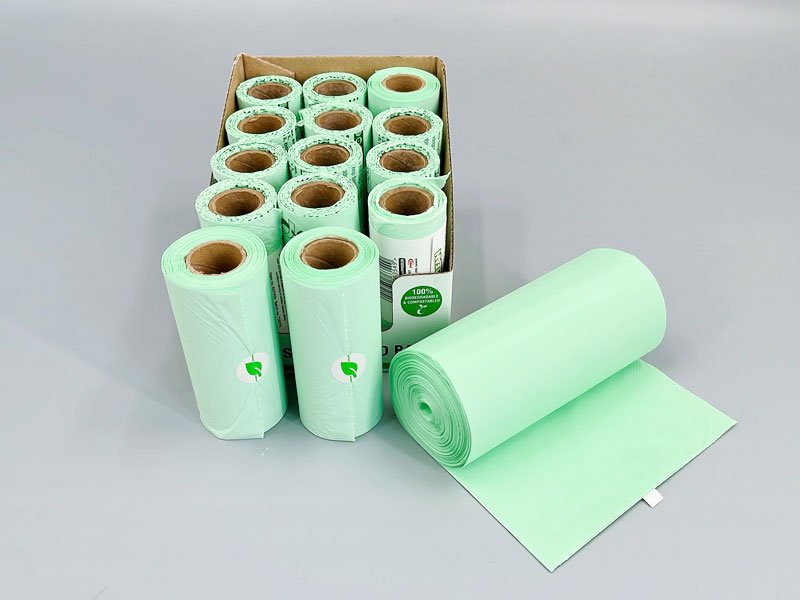
Both PLA and PBAT are widely used in the production of compostable packaging and biodegradable plastic bags.
Typical applications include:
- compostable trash bags
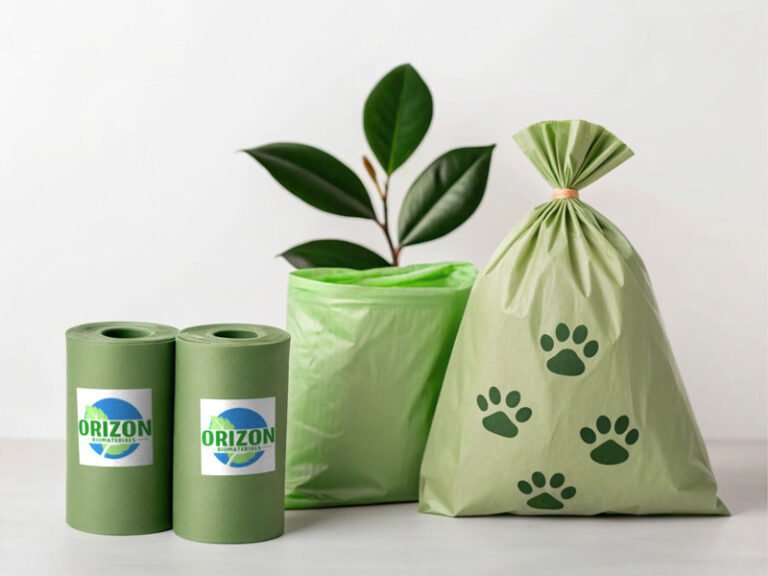
- dog waste bags
- food waste collection liners
- compostable courier mailers
If you are sourcing certified compostable packaging products, explore our compostable bag manufacturing solutions.
👉 Compostable Bags Manufacturer
You can also explore specific product categories:
Conclusion
PLA and PBAT are two of the most important materials used in biodegradable plastics and compostable packaging.
PLA offers advantages such as renewable raw materials and rigid structure, while PBAT provides flexibility and durability.
Because each material has unique strengths, manufacturers often combine PLA and PBAT blends to produce compostable plastic bags and sustainable packaging solutions.
Understanding the differences between PBAT vs PLA helps packaging buyers and manufacturers select the right material for environmentally responsible products.
FAQ
Is PBAT better than PLA?
PBAT is more flexible than PLA and is better suited for film and bag applications, while PLA is better for rigid packaging.
Can PBAT and PLA be blended together?
Yes. Many compostable plastic products use PLA/PBAT blends to combine rigidity and flexibility.
Which material decomposes faster?
PBAT often decomposes faster under certain composting conditions, especially when blended with other biodegradable polymers.
Are PLA and PBAT both compostable?
Yes, when products meet recognized compostable certification standards such as EN13432 or ASTM D6400.