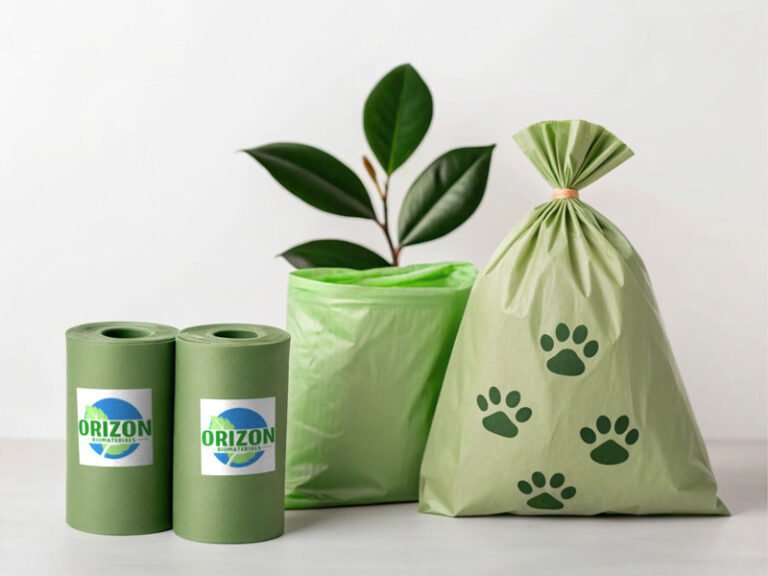
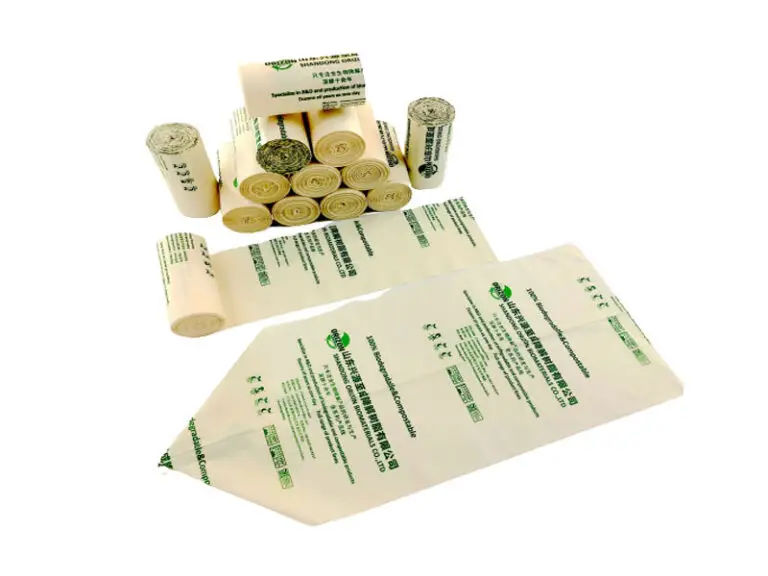
Plastic pollution has become one of the most serious environmental challenges worldwide. Traditional petroleum-based plastics can remain in the environment for hundreds of years, contributing to landfill overflow, marine pollution, and microplastic contamination.
As concerns about sustainability grow, bioplastics have emerged as an alternative to conventional plastics. But what exactly is bioplastic?
Bioplastics are plastics derived from renewable biological resources such as corn, sugarcane, starch, or microorganisms. Unlike traditional plastics made from fossil fuels, bioplastics are designed to reduce dependence on petroleum and may offer improved environmental performance.
However, not all bioplastics are biodegradable or compostable. Some are simply bio-based plastics, meaning they are produced from renewable materials but behave similarly to conventional plastics.
In this guide, we explain:
- what bioplastics are
- how bioplastics are produced
- common types of bioplastics
- advantages and limitations of bioplastics
Understanding these materials helps consumers, businesses, and manufacturers make informed decisions about sustainable materials.
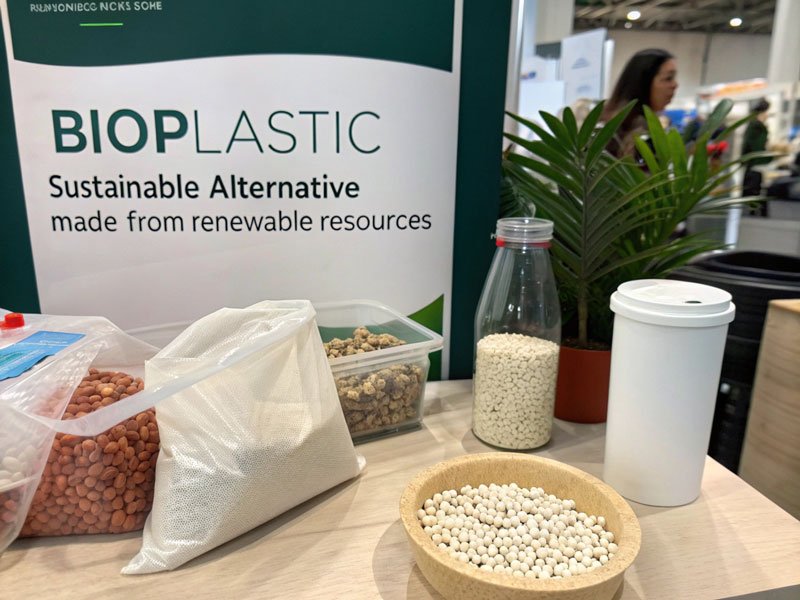
What Is Bioplastic?
Bioplastic refers to a category of plastic materials derived partly or entirely from renewable biological resources such as plants, agricultural waste, or microorganisms.
Traditional plastics are made from petroleum-based chemicals. In contrast, bioplastics are produced using renewable resources including:
- corn starch
- sugarcane
- vegetable oils
- microbial fermentation
Some bioplastics are biodegradable or compostable, while others are simply bio-based but function similarly to conventional plastics.
This distinction is important because many people mistakenly assume all bioplastics will naturally decompose.
If you want to understand how compostable materials differ from biodegradable plastics, see our guide on what are compostable materials.
History of Bioplastics
The idea first emerged in the 1990s, when people were concerned about plastic pollution and the impact of fossil fuels. Now, bioplastics are part of a drive to be green and sustainable, providing a new environmentally friendly alternative to our daily lives.
Some bioplastics are completely biodegradable, while others require specific conditions to break down.
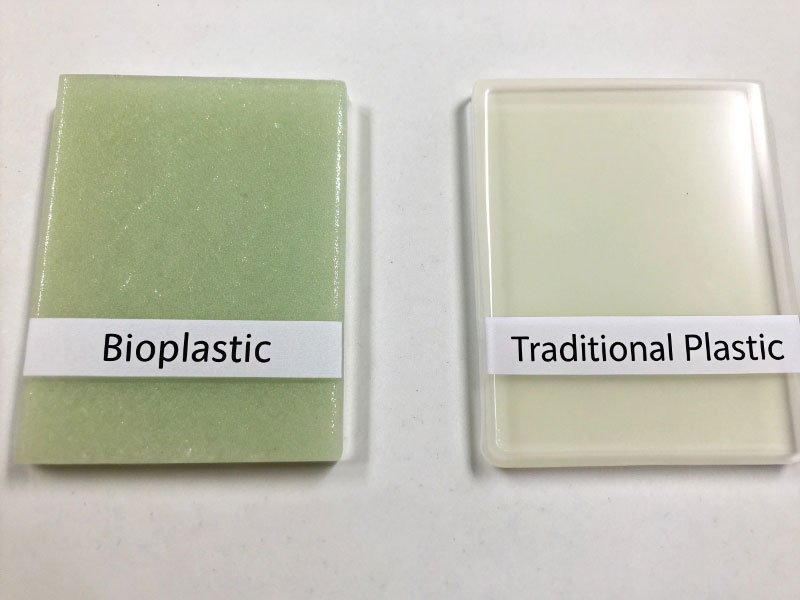
Types of Bioplastics
Bioplastics can be classified into several categories depending on their source material and biodegradability.
PLA (Polylactic Acid)
PLA is one of the most widely used bioplastics. It is produced from plant sugars derived from corn or sugarcane.
PLA is commonly used for:
- food packaging
- disposable cups
- 3D printing materials
- compostable packaging products
PLA can break down under industrial composting conditions.
To understand how PLA compares with other compostable polymers, see PLA vs PBAT: What’s the Difference?
PHA (Polyhydroxyalkanoate)
PHA is produced by microorganisms through fermentation processes.
It is notable because it can biodegrade in various environments including:
- soil
- marine environments
- compost systems
PHA is used in applications such as medical devices and sustainable packaging.
Starch-Based Bioplastics
Starch-based plastics are made from crops such as corn or potatoes. They are often blended with other biodegradable polymers to improve performance.
These materials are commonly used for:
- compostable bags
- agricultural films
- packaging materials
Other Bioplastics
Other forms of bioplastics include:
- PBAT – a flexible biodegradable polymer used in compostable bags
- Bio-PET – partially plant-based but not biodegradable
| Type | Source | Use Cases | Biodegradability |
|---|---|---|---|
| PLA | Corn starch, sugarcane | Food containers, 3D printing, cups | Only in industrial composters (50-90 days) |
| PHA | Microbial fermentation | Medical implants, marine products | Fully biodegradable (soil/ocean, 1-5 years) |
| Starch-based | Corn, potatoes | Produce bags, packaging peanuts | Industrial compost (needs high heat) |
| PBAT | Petroleum + bio-based | Compostable bags, mulch films | Industrial compost (3-6 months) |
| Bio-PET | Sugarcane + oil | Bottles, clothing fibers | Not biodegradable (recyclable only) |
What Is Bioplastic Made From?
Bioplastics are produced from renewable biological materials through several industrial processes.
1 Raw Material Production
Plants rich in starch or sugar such as corn or sugarcane are cultivated as raw materials.
2 Extraction
The plant material is processed to extract sugars or starch, which can be converted into glucose.
3 Fermentation
Microorganisms convert the sugars into building blocks such as lactic acid (for PLA) or other polymers.
4 Polymerization
These compounds are chemically processed to form long polymer chains.
5 Manufacturing
The resulting plastic pellets can be molded into products such as:
- bottles
- films
- food packaging
- compostable bags
Bioplastic production process video
Bioplastic vs Traditional Plastic
Bioplastics and traditional plastics differ primarily in their raw materials and environmental impact.
| Feature | Bioplastics | Traditional Plastics |
|---|---|---|
| Raw material | Renewable resources | Petroleum |
| Carbon footprint | Lower | Higher |
| Biodegradability | Some types | Rare |
| Recycling | Limited systems | Established systems |
Bioplastics reduce dependence on fossil fuels, but their environmental benefits depend on how they are produced and disposed of.
Advantages of Bioplastics
Bioplastics offer several environmental advantages.
Reduced Fossil Fuel Use
Because they are produced from renewable resources, bioplastics reduce reliance on petroleum.
Lower Carbon Emissions
Many bioplastics have a lower carbon footprint during production compared with conventional plastics.
Potential Biodegradability
Certain bioplastics such as PLA and PHA can break down under composting conditions.
Some biodegradable plastics must comply with certification standards such as ASTM D6400 certification.
Challenges of Bioplastics
Despite their advantages, bioplastics also face limitations.
Limited Composting Infrastructure
Many biodegradable plastics require industrial composting facilities.
Higher Production Costs
Bioplastics are generally more expensive than conventional plastics.
Consumer Confusion
Consumers often confuse:
- biodegradable plastics
- compostable plastics
- bio-based plastics
These categories represent different environmental properties.
Applications of Bioplastics
Bioplastics are increasingly used in many industries.
Common applications include:
- food packaging
- compostable shopping bags
- agricultural films
- medical materials
- 3D printing filaments
The global demand for bioplastics continues to grow as companies seek sustainable alternatives to petroleum plastics.
Conclusion
Bioplastics represent an important step toward reducing plastic pollution and dependence on fossil resources.
By using renewable materials such as corn, sugarcane, or microorganisms, bioplastics provide a more sustainable alternative to conventional plastics.
However, their environmental benefits depend on proper production methods, certification standards, and waste management infrastructure.
As technology advances and recycling systems improve, bioplastics are likely to play an increasingly important role in the transition toward a more sustainable materials economy.
FAQ
What are bioplastics made from?
Bioplastics are made from renewable biological resources such as corn starch, sugarcane, vegetable oils, or microorganisms.
Are all bioplastics biodegradable?
No. Some bioplastics are biodegradable or compostable, while others are simply bio-based plastics that do not break down naturally.
What are common examples of bioplastics?
Common bioplastics include PLA, PHA, starch-based plastics, PBAT, and bio-PET.
Are bioplastics environmentally friendly?
Bioplastics can reduce fossil fuel use and carbon emissions, but their environmental impact depends on production methods and disposal systems.