Plastic pollution has become one of the most serious environmental issues worldwide. Traditional plastics can remain in the environment for hundreds of years, contributing to landfill overflow, marine pollution, and microplastic contamination.
As environmental awareness grows, compostable materials (food scraps, plant-based plastics, and certain paper products) have become new alternatives to traditional plastics. Many of these materials are made from biopolymers such as PLA and PBAT.
To understand these materials in more detail, see PLA vs PBAT: What’s the Difference?
But what exactly are compostable materials? How do they differ from biodegradable plastics? And are they truly better for the environment?
In this guide, we explain:
- the definition of compostable materials
- examples of compostable products
- certification standards used worldwide
- the benefits and limitations of compostable materials
Understanding these concepts helps consumers, businesses, and waste management systems make more informed sustainability decisions.
What Are Compostable Materials?
Compostable materials need to be decomposed into water, carbon dioxide and nutrient-rich composting materials by microorganisms under controlled composting conditions.
These requirements are defined by international compostability standards such as ASTM D6400 certification in the United States.
Unlike conventional plastics, compostable materials are designed to fully decompose without leaving harmful residues or microplastics.
For a material to be considered compostable, it must:
- biodegrade through microbial processes
- disintegrate during composting
- leave no toxic residues in soil
- break down within a defined timeframe
These requirements are defined by internationally recognized standards such as:
- ASTM D6400 (USA)
- EN 13432 (Europe)
- AS4736 (Australia)
You can learn more in our detailed certification guide: ASTM D6400 Certification Guide
Industrial Composting vs Home Composting
Composting conditions vary significantly depending on the system used.
Industrial Composting
Industrial composting facilities operate under controlled conditions including:
- temperatures between 55–70°C
- controlled moisture levels
- optimized microbial activity
These facilities allow certified compostable plastics such as PLA or PBAT blends to fully decompose.
Many certified compostable packaging products are designed specifically for industrial composting systems.
Home Composting
Home compost systems operate at lower temperatures and less controlled conditions.
Only materials certified for home composting can reliably break down in these environments.
Examples include:
- food scraps
- untreated paper
- some certified compostable bags
Not all industrial compostable products are suitable for home compost bins.
Certifications for Compostable Materials
Because environmental claims are often misused, compostable products must meet strict certification standards.
These certifications ensure that materials break down safely and effectively during composting.
BPI Certification (USA)
The Biodegradable Products Institute (BPI) certifies products that comply with ASTM D6400 standards. US BPI Certified mark: It complies with ASTM D6400 compostable plastics standards.
BPI certification confirms that a product:
- leaves no toxic residues
- fully biodegrades in industrial composting
- disintegrates during composting
EN 13432 Certification (Europe)
European EN 13432 compostable packaging certification ensures that the product can be decomposed during industrial composting.
It evaluates:
- biodegradation performance
- disintegration rate
- heavy metal limits
- eco-toxicity
Products meeting EN13432 can be processed in industrial composting facilities across Europe.
TÜV OK Compost Certification
The TÜV OK Compost certification program verifies compostability under different composting conditions.
The two most common labels include:
- OK Compost Industrial
- OK Compost Home
These certifications are widely used for PLA-based bioplastics and compostable packaging.
AS4736 Certification (Australia)
AS4736 compostable plastic certification applies to biodegradable plastics used in Australia’s industrial composting system.
Products certified under AS4736 are designed to integrate into Australia’s composting infrastructure and organic waste collection systems.
Compostable vs Biodegradable: What’s the Difference?
The terms “compostable,” “biodegradable,” and “recyclable” are often used interchangeably.
Understanding the difference between compostable and biodegradable plastics is important for proper waste management.
| Feature | Compostable | Biodegradable |
|---|---|---|
| Definition | Breaks down into nutrient-rich compost | Breaks down naturally over time |
| Decomposition | Controlled composting process | Natural decomposition |
| Timeframe | Weeks to months | Months to years |
| Residue | No toxic residues | May leave microplastics |
| Certification | Strict testing standards | Often not regulated |
Compostable materials must meet strict standards, while biodegradable materials may degrade slowly and sometimes leave residues.
Because of this difference, environmental experts recommend checking certification marks rather than relying solely on marketing claims.
Examples of Compostable Materials
Many everyday items can be compostable when made from appropriate materials.
Food Waste
Common compostable organic materials include:
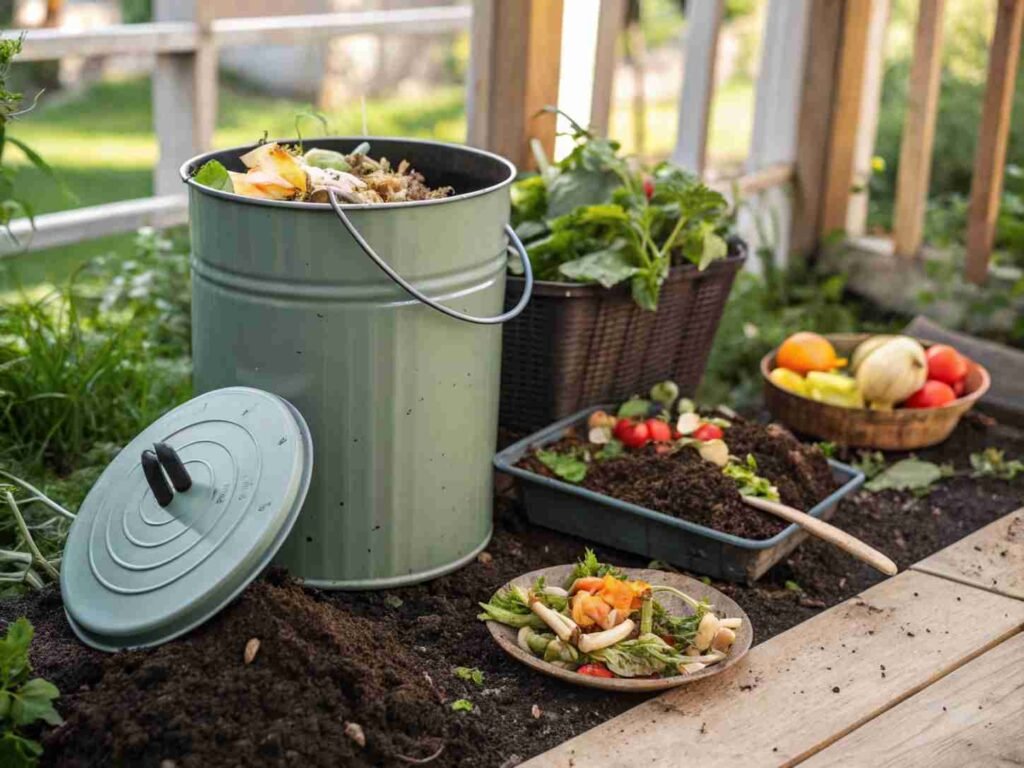
- fruit and vegetable scraps
- coffee grounds
- eggshells
- bread and grains
These materials break down quickly in composting environments.
Plant-Based Materials
Plant residues are also commonly composted, including:
- leaves
- grass clippings
- garden waste
- small branches
These materials help balance carbon and nitrogen levels in compost.
Compostable Packaging Materials
Many sustainable packaging products are designed to be compostable.
Examples include:
- PLA bioplastics
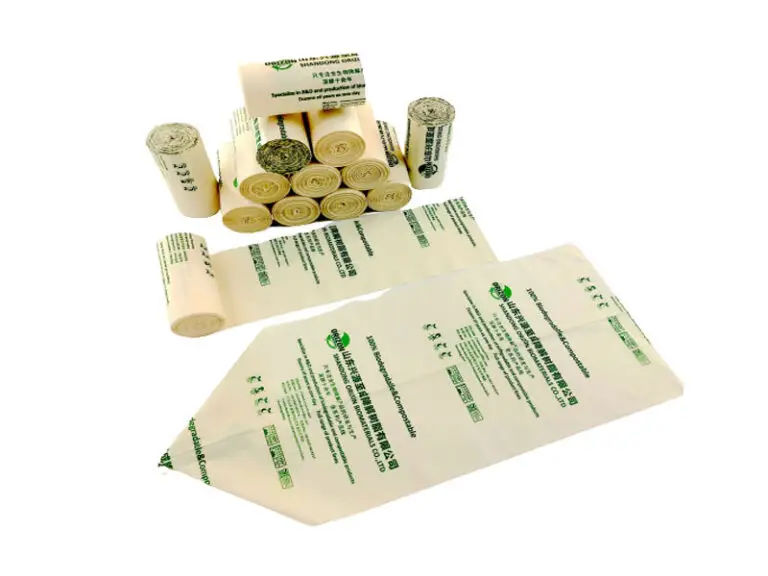
- PBAT blended compostable films
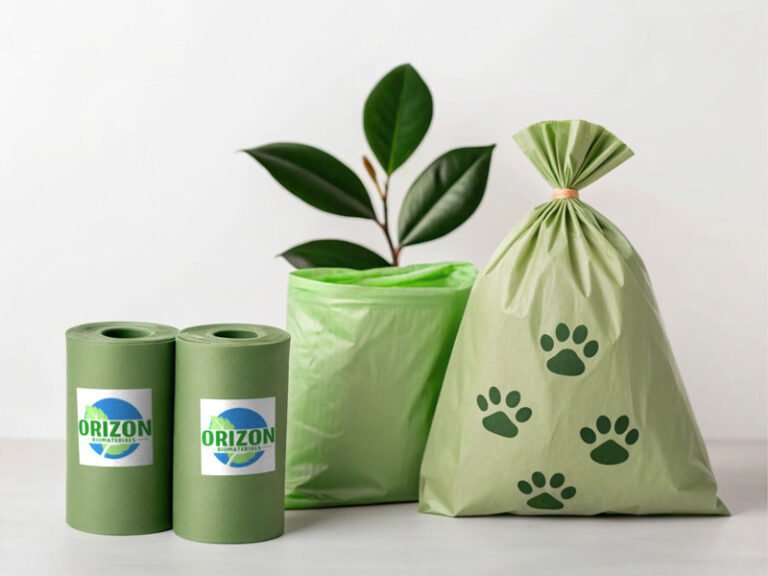
- compostable garbage bags
- food waste collection bags
PLA is commonly used in packaging and food service items.
For more details about these materials see: PLA vs PBAT: What’s the Difference?
Environmental Benefits of Compostable Materials
When properly managed, compostable materials offer several environmental advantages.
Reduced Landfill Waste
Composting diverts organic waste from landfills, where it would otherwise generate methane emissions.
The U.S. EPA estimates that organic waste contributes more than 50% of landfill methane emissions.
Soil Health Improvement
Compost enriches soil by adding organic matter and nutrients.
Benefits include:
- improved soil structure
- increased water retention
- enhanced microbial activity
Reduced Dependence on Fossil Plastics
Many compostable materials are derived from renewable resources such as:
- corn starch
- sugarcane
- plant-based polymers
This reduces reliance on petroleum-based plastics.
Challenges of Compostable Materials
Despite their benefits, compostable materials also face several challenges.
Limited Composting Infrastructure
Industrial composting facilities are not available in all regions.
Without proper infrastructure, compostable plastics may still end up in landfills.
Higher Production Costs
Compostable polymers are generally more expensive than traditional plastics.
This increases packaging costs for manufacturers and retailers.
Misleading Environmental Claims
Some products are labeled “biodegradable” or “eco-friendly” without meeting recognized compostable standards.
This practice, sometimes referred to as greenwashing, can confuse consumers and contaminate composting systems.
How to Use and Dispose of Compostable Materials
Proper disposal is essential for compostable materials to deliver environmental benefits.
For Consumers
- choose certified compostable products
- check certification marks such as BPI or OK Compost
- use local compost collection programs when available
For Businesses
Businesses can support sustainability by:
- switching to certified compostable packaging
- working with local composting facilities
- clearly labeling packaging disposal instructions
These practices help ensure compostable materials are processed correctly.
Conclusion
Compostable materials represent an important step toward reducing plastic waste and supporting circular waste systems.
When certified and properly composted, these materials can transform organic waste into valuable compost that enriches soil and reduces landfill emissions.
However, compostable materials are not a complete solution on their own. Their environmental benefits depend on proper certification, waste sorting, and access to composting infrastructure.
By understanding what compostable materials are and how they should be managed, both consumers and businesses can make more responsible environmental choices.
Related Articles
- PLA vs PBAT: What’s the Difference?
- ASTM D6400 Certification Guide
- EN 13432 Certification Guide
- AS4736 Compostable Plastic Standard
FAQ
What are compostable materials?
Compostable materials are substances that break down into water, carbon dioxide, and nutrient-rich compost through microbial activity under controlled composting conditions.
Are compostable plastics better than biodegradable plastics?
Compostable plastics must meet strict standards and fully break down into non-toxic compost, while biodegradable plastics may degrade slowly and sometimes leave microplastic residues.
Can compostable plastics break down at home?
Most compostable plastics require industrial composting conditions with temperatures above 55°C. Only products certified for home composting can reliably break down in backyard compost systems.
How long do compostable materials take to decompose?
Food waste may decompose within weeks, while compostable plastics typically break down within 3–6 months in industrial composting facilities.